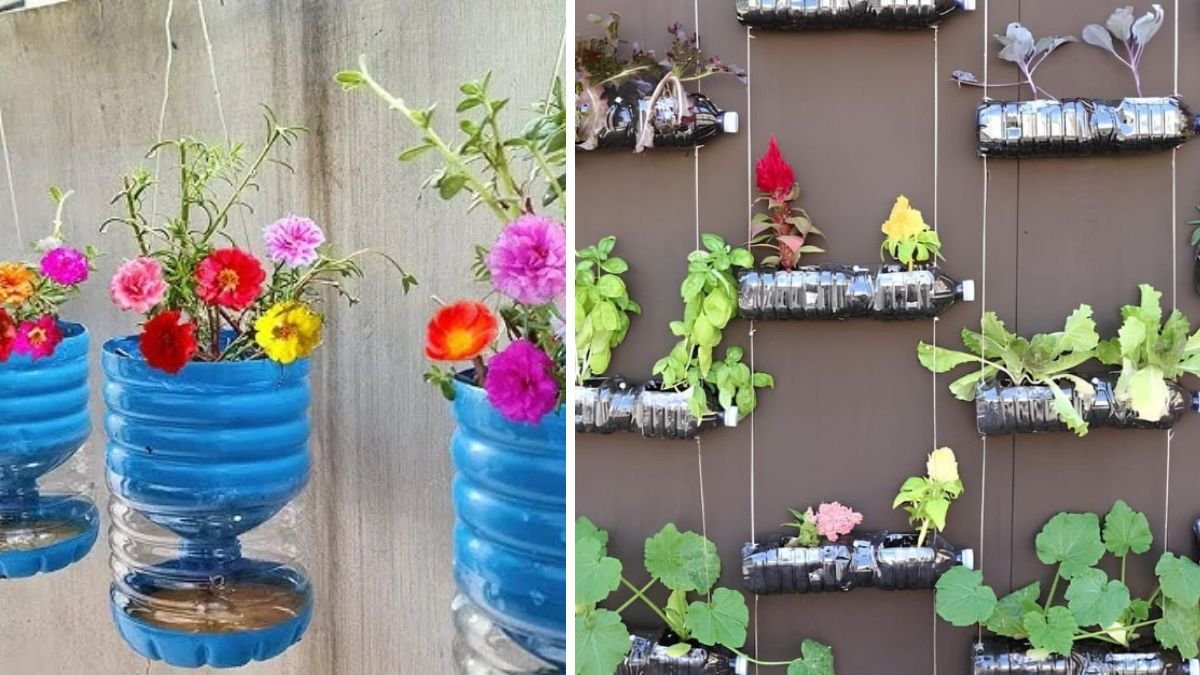
Gardening in small spaces—balconies, apartments, or tiny patios—can be challenging, but it’s possible to create a lush, thriving garden in a bottle. Bottle gardens, also called terrariums, are self-contained ecosystems that bring greenery indoors while saving space. With a few simple materials, anyone can enjoy the beauty of a miniature garden without a backyard.
This guide will show you how to make a bottle garden step by step, what plants work best, and how to maintain it for a healthy, flourishing miniature ecosystem.
Why Bottle Gardens Are Perfect for Small Spaces
- Compact and space-saving
- Indoor gardening solution for apartments or offices
- Visually striking and decorative
- Can be educational for children learning about plants and ecosystems
- Often low-maintenance with self-sustaining soil and moisture cycles
Materials You’ll Need
- Clear glass container: bottle, jar, vase, or aquarium
- Small stones or gravel for drainage
- Activated charcoal (optional) to prevent odors
- Potting soil suitable for chosen plants
- Small plants: moss, ferns, succulents, or air plants
- Decorative elements: tiny figurines, pebbles, shells, or sand
- Tools: long tweezers or chopsticks for arranging
Step-by-Step Guide to Creating a Bottle Garden
1. Choose the Right Container
- Transparent containers allow sunlight to reach plants
- Wide-mouth bottles or jars make planting easier
- Small bottles work for moss or succulents; larger containers can house ferns and mini tropical plants
2. Add Drainage Layers
- Start with a 1–2 inch layer of small stones or gravel
- Optional: Add activated charcoal to filter water and prevent mold
- Drainage is key to preventing root rot
3. Add Potting Soil
- Choose soil appropriate for your plants: succulent mix for cacti, general potting mix for ferns and moss
- Add soil gently, leaving enough room for plants
4. Plant Selection and Arrangement
- Select plants that thrive in similar conditions
- Place taller plants at the back, trailing plants at the edges
- Use tweezers or chopsticks for precise placement in narrow bottles
5. Decorative Touches
- Small figurines, colored sand, or pebbles create visual interest
- Moss or tiny flowers add color and texture
6. Watering
- Water lightly; bottle gardens require less frequent watering due to limited soil
- Closed bottles create self-sustaining moisture cycles; open bottles dry faster and need more attention
7. Light Requirements
- Place bottle garden near a bright window but avoid direct midday sun, which can overheat the glass
- Artificial grow lights can be used if natural sunlight is insufficient
Plants That Thrive in Bottle Gardens
- Moss: Thrives in moist, shaded environments
- Ferns: Small varieties like maidenhair fern do well
- Succulents and cacti: Ideal for open bottles with excellent drainage
- Air plants: Need no soil, just occasional misting
- Miniature tropical plants: Fit well in larger containers
Maintenance Tips
- Remove dead leaves promptly to prevent mold
- Mist moss or tropical plants weekly if soil dries out
- Rotate the bottle occasionally for even light exposure
- Prune fast-growing plants to maintain balance
Creative Ideas for Bottle Gardens
- Mini Zen gardens with sand and moss
- Fairy gardens with tiny figurines and flowers
- Succulent landscapes in recycled soda bottles or jars
- Themed terrariums: tropical, desert, or woodland
Benefits of Bottle Gardening
- Perfect for small spaces or urban living
- Easy to care for once established
- Reduces stress and enhances indoor air quality
- Encourages creativity and design skills
Final Thoughts
A bottle garden is a fun, low-maintenance, and space-saving way to enjoy greenery indoors. By selecting suitable plants, arranging them creatively, and providing proper drainage and light, even beginners can cultivate a thriving miniature ecosystem. This small-scale gardening solution proves that you don’t need a yard to enjoy the beauty and calm of plants in your home.