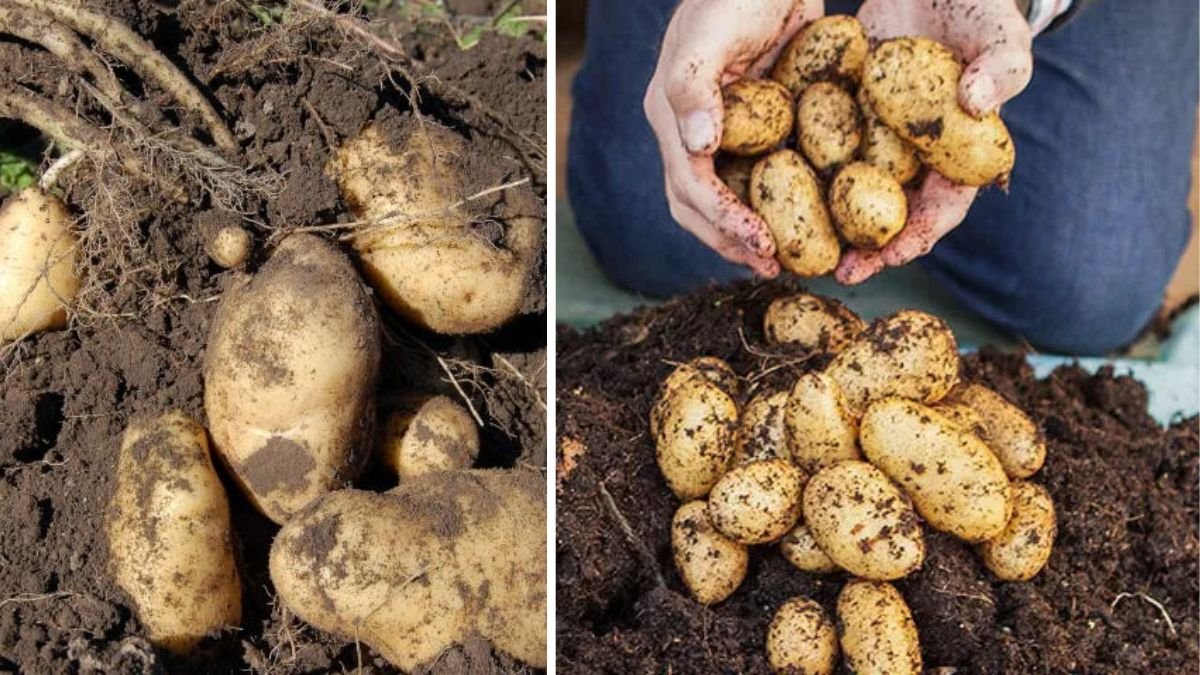
Introduction
Potatoes are one of the most versatile and widely grown crops in the world, but getting a bountiful harvest requires the right techniques and care. Growing potatoes from tubers is a proven method for producing multiple bulbs efficiently, whether you’re planting in a backyard garden, raised beds, or containers. With the right planning, soil, and maintenance, you can maximize the number of tubers and enjoy fresh, homegrown potatoes throughout the season.
This article shares practical, actionable tips to help you grow potatoes from tubers for many bulbs, covering soil preparation, planting, care, pest management, and harvesting strategies.
Why Grow Potatoes from Tubers?
Growing potatoes from tubers, rather than seeds, offers several advantages:
- Guaranteed Variety: Using tubers ensures the potatoes are the same type as the parent plant.
- Faster Growth: Tubers sprout quickly compared to seed propagation.
- High Yield Potential: Properly managed tubers can produce multiple bulbs per plant.
- Simplicity: Tubers are easy to plant, manage, and harvest, making them ideal for beginners.
Using tubers also allows for selective planting, where you can choose the healthiest pieces for maximum productivity.
Choosing the Right Tubers
Not all potato tubers are suitable for planting. Select tubers that are:
- Disease-free: Avoid any with black spots, soft areas, or mold.
- Firm and healthy: Smooth skin without blemishes.
- Medium to large size: Each tuber can produce multiple sprouts.
- Certified seed potatoes: Optional but reduces the risk of diseases.
Cutting larger tubers into pieces with at least one sprout, also called an eye, can multiply the number of plants.
Preparing Tubers for Planting
1. Chitting (Pre-sprouting):
Before planting, place tubers in a cool, bright area for 2–3 weeks to encourage sprouting. This speeds up growth and results in more bulbs.
2. Cutting Tubers:
If using large tubers, cut them into pieces, ensuring each piece has 1–2 eyes. Allow the cut pieces to dry for 1–2 days to prevent rot after planting.
Preparing the Soil
Potatoes thrive in loose, well-drained soil with plenty of organic matter. Follow these tips:
- Soil type: Sandy loam or loamy soil is ideal. Avoid heavy clay.
- pH level: Maintain slightly acidic soil, around 5.5–6.5.
- Nutrients: Mix compost, well-rotted manure, or organic fertilizer into the soil before planting.
- Loosening: Loosen soil at least 12 inches deep to allow tubers to expand freely.
Healthy soil is the foundation for multiple bulbs per tuber.
Planting Techniques for High Yield
- Planting Depth: Place tubers or cut pieces about 3–4 inches deep.
- Spacing: Keep 12–15 inches between plants and 24–30 inches between rows to allow for full tuber development.
- Orientation: Position the sprout facing upward for faster growth.
- Hilling: Once plants reach 6–8 inches tall, mound soil around the stems to cover lower leaves. Repeat hilling 2–3 times during the season. Hilling encourages the formation of more tubers along the buried stem.
Watering and Care
1. Consistent Moisture:
Potatoes require steady moisture, especially during tuber formation. Water deeply once or twice a week, depending on rainfall. Avoid overwatering, which can cause rot.
2. Mulching:
Apply straw, dry leaves, or grass clippings to conserve moisture, regulate temperature, and reduce weeds. Mulching also protects tubers from sunlight, which can turn them green and bitter.
3. Fertilization:
Feed plants with potassium-rich fertilizer during tuber development. Avoid excess nitrogen, which encourages leaf growth but reduces tuber formation.
4. Sunlight:
Ensure potatoes receive at least 6–8 hours of sunlight daily for strong growth.
Pest and Disease Management
Potatoes are susceptible to pests and diseases that can limit bulb production. Preventive care is crucial.
Common Pests:
- Colorado potato beetles
- Aphids
- Wireworms
Control Methods:
- Handpick pests where possible
- Use neem oil or organic insecticidal sprays
- Rotate crops each year to reduce pest buildup
Common Diseases:
- Late blight
- Early blight
- Powdery mildew
Preventive Measures:
- Plant certified disease-free tubers
- Ensure proper spacing and airflow
- Avoid wetting leaves during irrigation
Maximizing Tuber Numbers
To produce many bulbs from each tuber, focus on these strategies:
- Use Large Seed Tubers: Each cut piece with an eye can generate multiple tubers.
- Regular Hilling: Encourage tuber growth along buried stems.
- Balanced Fertilization: Potassium promotes tuber size, phosphorus supports root growth.
- Consistent Care: Water, mulch, and remove weeds regularly.
- Prune Excess Foliage: If vines are overcrowding, remove some leaves to focus energy on tuber production.
Harvesting Tips
Potatoes are usually ready to harvest 90–120 days after planting, depending on the variety.
Indicators of Maturity:
- Yellowing or dying leaves
- Slower vine growth
- Firm tubers beneath the soil
Harvest Method:
- Stop watering 1–2 weeks before harvest to prevent rot
- Gently dig around the plant with a fork or spade
- Lift tubers carefully to avoid bruising
Smaller, newly formed tubers can be replanted or eaten as “baby potatoes.”
Post-Harvest Storage
Curing:
Store freshly harvested potatoes in a dark, ventilated area at 15–20°C for 1–2 weeks. This toughens the skin and increases storage life.
Storage Conditions:
- Cool, dark, and dry environment
- Avoid exposure to sunlight (prevents greening)
- Keep humidity moderate to prevent shriveling
Proper storage allows you to enjoy homegrown potatoes for months.
Common Mistakes to Avoid
- Planting in wet or compacted soil – inhibits tuber growth.
- Overcrowding plants – reduces the number of bulbs per tuber.
- Ignoring hilling – fewer tubers develop along buried stems.
- Excess nitrogen fertilizer – leafy growth at the expense of bulbs.
- Poor pest management – reduces overall yield and plant health.
By avoiding these errors, you ensure a healthy crop with maximum tubers per plant.
Conclusion
Growing potatoes from tubers is a simple and effective method to maximize bulb production. By choosing healthy tubers, preparing nutrient-rich soil, practicing proper planting and hilling techniques, and maintaining consistent care, you can enjoy large, high-yield harvests in your backyard, terrace, or container garden.
Whether you’re a beginner or an experienced gardener, these tips help you grow potatoes efficiently, produce multiple bulbs from each tuber, and enjoy fresh, homegrown potatoes year-round. Start today, and turn your garden into a high-yield potato farm with minimal effort and maximum reward.