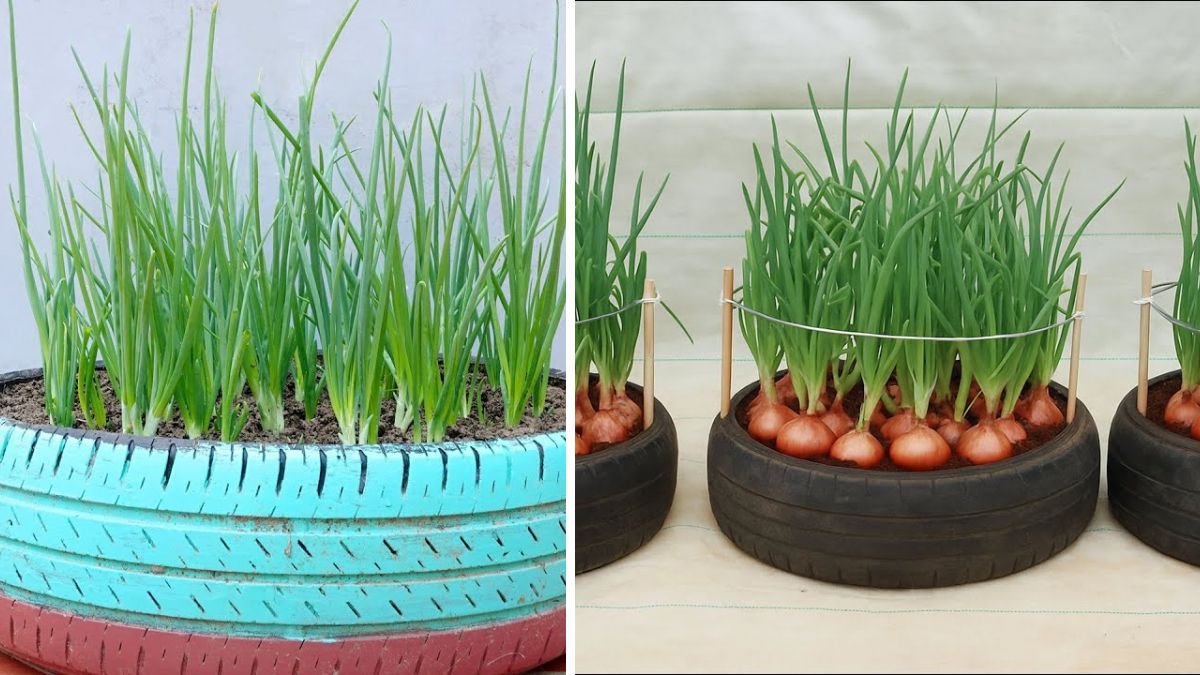
Introduction: Rethinking Onion Cultivation
Onions (Allium cepa) are one of the world’s most essential vegetables, used in countless dishes and valued for their flavor, nutrition, and versatility. Traditionally, onions are grown in open fields using soil-based methods. However, recent innovations in agriculture have opened new possibilities, allowing growers to experiment with non-traditional growing methods that yield unexpected results.
From soil-free aeroponic systems to improved irrigation techniques, these approaches aim to enhance productivity, reduce disease risks, and adapt onions to unpredictable weather conditions. In 2026, onion growers are exploring creative solutions, whether in small home gardens or large commercial farms, demonstrating that trying a new way to grow onions can deliver surprising and valuable outcomes.
Why Innovating Onion Growing Matters
Onion cultivation faces several challenges:
- Weather Variability: Rainfall and temperature fluctuations affect growth and yields.
- Soil-borne Diseases: Traditional field methods are vulnerable to pathogens like purple blotch and downy mildew.
- Post-harvest Losses: Improper storage can lead to spoilage, reducing profitability.
- Market Volatility: Price swings affect farmers’ income and stability.
In response, farmers, researchers, and hobbyists are exploring innovative methods that allow onions to thrive under new conditions, reduce losses, and maximize yields. These experiments range from high-tech indoor farming systems to simple adjustments in irrigation and fertilization practices.
Latest Innovations in Onion Growing
Aeroponics: Growing Onions Without Soil
One of the most exciting developments in onion cultivation is the use of aeroponic systems. Unlike traditional soil methods, aeroponics involves suspending plant roots in air while delivering nutrients via a fine mist. This approach has produced unexpectedly strong early growth and healthier roots, allowing onions to reach initial bulbing stages faster.
Key benefits observed in pilot studies:
- Enhanced root oxygenation for robust plant development.
- Reduced risk of soil-borne diseases.
- Efficient nutrient uptake leading to faster growth.
Although aeroponics is not yet widely used for full-scale onion production, it shows great potential for controlled-environment agriculture, including indoor vertical farms and research labs. (LettUs Grow)
Modern Field Techniques Boosting Yields
In parts of India, farmers have adopted modern irrigation and soil management practices to counter erratic weather. Techniques such as:
- Drip irrigation to supply water directly to the root zone.
- Sprinkler systems for uniform watering.
- Mulching to maintain soil moisture and regulate temperature.
These relatively simple adjustments have led to 40–60% higher yields compared to traditional field methods, demonstrating that innovation does not always require high-tech systems. (Times of India)
High-Yield Varieties: The Role of Genetics
The Arka Kalyan onion variety, developed by ICAR‑IIHR in India, has shown remarkable performance under modern cultivation practices. Farmers who adopted improved sowing schedules, balanced fertilization, and precise irrigation recorded:
- Bulb yields up to 267 quintals per hectare, exceeding traditional varieties.
- Strong, uniform bulbs suitable for markets and storage.
- Improved overall profitability due to higher-quality harvests.
These results illustrate the power of combining innovative cultivation methods with improved plant genetics. (ICAR)
Unexpected Results Observed
Organic Practices Deliver Surprising Benefits
Some farmers experimenting with organic onion cultivation have reported unexpected positive outcomes. Using traditional preparations like panchagavya (cow-based fertilizer) and plant-based extracts:
- Crop resilience improved despite lower fertilizer input.
- Reduced pest and disease incidence.
- Higher market prices for organic onions compensated for slightly lower yields.
These results highlight that alternative growing methods can provide economic as well as ecological advantages, sometimes yielding results beyond what conventional practices offer. (Times of India)
Observations from Experimental Fields
Growers experimenting informally have noticed unusual plant behaviors, such as onions producing small “baby bulbs” on flowering heads instead of seeds. While anecdotal, these observations suggest plant responses can vary significantly under different environmental conditions or cultivation techniques, opening opportunities for further research.
Background: The Global Context of Onion Production
India is among the largest onion producers in the world, supplying both domestic markets and exports. Key factors influencing onion cultivation include:
- Climatic conditions affecting planting schedules.
- Market policy decisions like export incentives.
- Adoption of improved varieties and cultivation methods.
However, challenges like price instability and post-harvest losses remain. This creates a strong incentive for both farmers and researchers to explore novel growing methods that reduce risks and optimize output. (Maharashtra Times)
Practical Tips for Innovative Onion Cultivation
Whether you are a small gardener or a commercial farmer, these tips can help you experiment successfully:
1. Controlled Environment Systems
- Use aeroponics or hydroponics for early growth to minimize disease and maximize control.
- Greenhouses and indoor vertical systems allow precise regulation of temperature, humidity, and light.
2. Modern Water Management
- Implement drip irrigation and mulching to maintain optimal soil moisture.
- Avoid overwatering, as onion roots are susceptible to rot in waterlogged conditions.
3. Select Improved Varieties
- Plant high-yield, region-adapted varieties like Arka Kalyan for better performance.
- Pair with proper spacing, fertilization, and irrigation for maximum bulb development.
4. Organic Inputs
- Incorporate compost, fermented plant extracts, and natural pest repellents to enhance plant health and reduce reliance on chemicals.
5. Monitor Crop Health
- Regularly check for disease, pests, and nutrient deficiencies.
- Prune damaged leaves and maintain spacing for airflow and sunlight penetration.
Authoritative Sources for Learning
For growers who want to deepen their understanding of innovative onion cultivation:
- LettUs Grow – Aeroponic and controlled-environment agriculture insights (lettusgrow.com)
- ICAR-IIHR – Research and variety development (icar.org.in)
- Times of India Agriculture News – Case studies on modern irrigation and organic methods (timesofindia.indiatimes.com)
Conclusion: The Future of Onion Growing
Trying new ways to grow onions has shown that even small changes in cultivation techniques can produce unexpected and valuable results. From soil-free aeroponic systems to organic inputs and precise irrigation, innovations are helping growers achieve higher yields, healthier plants, and better economic outcomes.
Whether you are experimenting at home or scaling up commercially, exploring these modern methods allows onions to thrive under new conditions, ensuring a resilient and productive crop. With continued research and experimentation, the future of onion growing is set to be more efficient, sustainable, and surprising than ever before.