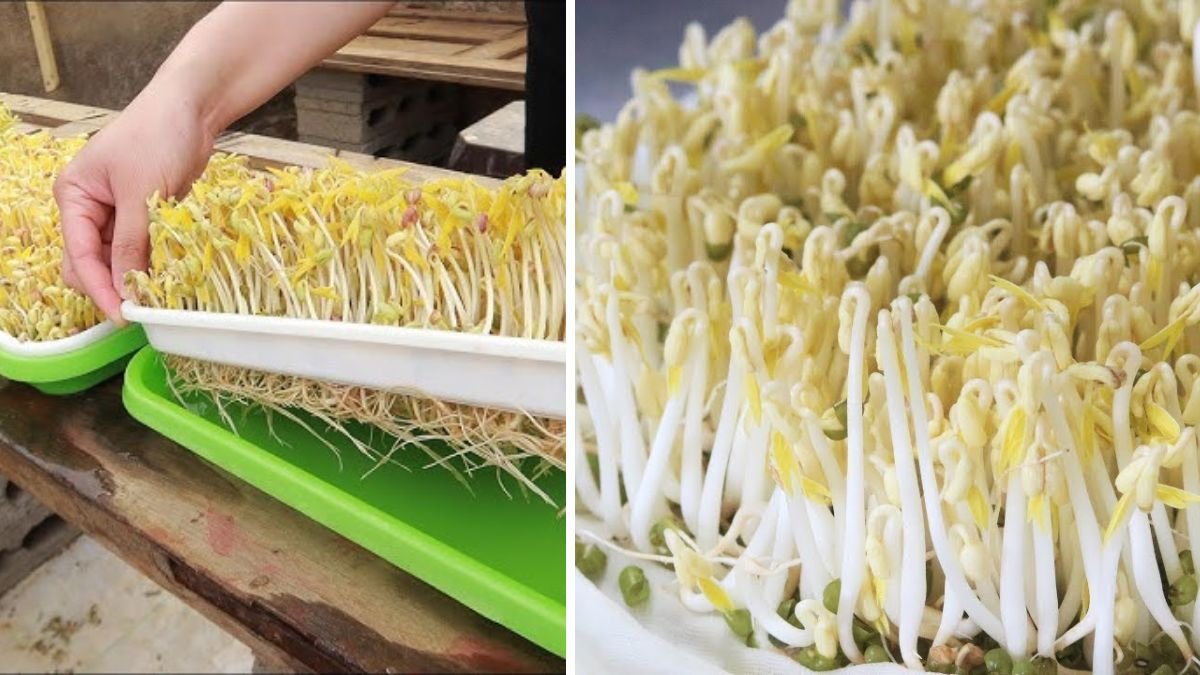
Introduction: Fresh, Fast & Easy Sprouts at Home
If you want to add fresh, nutrient-packed greens to your meals without a garden, growing bean sprouts at home is the fastest, simplest solution. Bean sprouts, typically from mung beans, are a staple in many cuisines, prized for their crisp texture, mild flavor, and high nutritional value, including vitamins, minerals, and antioxidants.
What makes bean sprouts especially appealing is their speed: from seed to harvest, they often grow in just 3–7 days. This makes them ideal for beginners, small-space kitchens, or anyone seeking a sustainable, pesticide-free source of fresh greens. With a few simple tools, a clean environment, and regular rinsing, you can have crunchy, juicy sprouts ready for your salads, sandwiches, stir-fries, and soups.
Why Grow Bean Sprouts at Home?
Bean sprouts are incredibly versatile, inexpensive, and highly nutritious. Unlike traditional gardening, sprouts do not require soil or sunlight; they thrive in clean water and a dark environment. This makes them perfect for indoor spaces, apartments, or homes with limited outdoor access.
By growing your own sprouts, you also get:
- Freshness: Ready-to-eat in days.
- Control: No pesticides or additives.
- Nutrition: Rich in protein, fiber, and antioxidants.
- Cost Savings: Beans are cheap and multiply into dozens of servings.
Whether you are a busy professional, a student, or a home cook, sprouting beans at home is one of the most accessible ways to eat healthier and experiment with home gardening. (almanac.com)
What You Need to Grow Bean Sprouts
You don’t need fancy equipment to grow sprouts. Here’s a simple list of essentials:
- Sprouting Seeds: Mung beans are the fastest and easiest, but lentils, adzuki beans, or chickpeas also work. Use whole, untreated seeds meant for food. (gardening.alibaba.com)
- Container: A wide-mouth jar, mason jar, or a DIY sprouting setup made from clean bottles or trays.
- Cover: Cheesecloth, mesh, or a sprouting lid to allow water drainage while keeping seeds contained. (almanac.com)
- Clean Water: For soaking and rinsing sprouts.
- Dark or Low-Light Spot: Sprouts grow best out of direct sunlight to remain tender and white.
These items are inexpensive, widely available, and reusable for multiple sprouting cycles.
Step-by-Step Guide: Fastest & Easiest Way to Grow Bean Sprouts
Follow these steps to enjoy homegrown sprouts in as little as 3 days:
Step 1: Measure & Rinse Seeds
Start with 2–3 tablespoons of mung beans or other sprouting seeds. Rinse thoroughly with cool water to remove dirt and debris. This step ensures cleaner sprouts and reduces the risk of mold or bacteria. (taim.io)
Step 2: Soak Seeds Overnight
Place rinsed seeds in your jar and cover with fresh water. Let them soak for 8–12 hours. Soaking softens the beans and triggers germination. Mung beans often swell up 2–3 times their size during this period.
Step 3: Drain & Position the Jar
Drain all water and place your jar at a 45° angle, ideally in a bowl or rack, to allow excess water to drain and air to circulate. Proper drainage is essential to prevent mold growth.
Step 4: Rinse Sprouts 2–3 Times Daily
Rinse and drain sprouts with fresh water twice a day. Frequent rinsing keeps sprouts hydrated, prevents drying, and avoids the accumulation of bacteria.
Step 5: Keep Sprouts in Dim Light
Sprouts do not require sunlight. Store your jar in a cupboard or dark corner to keep sprouts tender and pale. Exposure to light too early can cause bitterness and slow growth.
Step 6: Harvest in 3–7 Days
Depending on seed type and temperature, sprouts are ready when they reach about 1–2 inches. Mung bean sprouts usually mature in 3–5 days. Simply drain and enjoy raw, or cook lightly if desired. (theflexkitchen.com)
Tips for Fast, Healthy Sprouts
- Use Food-Grade Seeds: Treated seeds may not sprout and could be unsafe.
- Maintain Darkness: Keep sprouts away from direct sunlight for tender growth.
- Avoid Standing Water: Drain jars thoroughly to prevent mold.
- Sanitize Equipment: Wash jars and lids to reduce bacterial contamination.
- Optimal Temperature: Maintain room temperature around 65–75°F (18–24°C) for fastest germination.
With these tips, you can produce crisp, clean, and flavorful sprouts every week.
Safety Considerations
Because sprouts grow in warm, moist conditions, they can be susceptible to bacterial contamination. Follow these safety practices:
- Wash containers and utensils thoroughly before use.
- Rinse sprouts regularly, at least twice daily.
- Consider lightly cooking sprouts for children, the elderly, or those with weakened immune systems.
These precautions help ensure your homegrown sprouts are safe and healthy. (taim.io)
How to Use Bean Sprouts
Bean sprouts are versatile and can be added to many dishes:
- Salads: Fresh sprouts add crunch and nutrition.
- Stir-Fries: Cook lightly with vegetables, noodles, or rice.
- Soups: Add in the last few minutes of cooking.
- Sandwiches & Wraps: Provide a crisp texture.
- Snacks: Enjoy raw with dips or dressings.
They are a simple, delicious way to boost meals with fresh, homegrown ingredients.
Advantages of Homegrown Bean Sprouts
- Rapid Growth: Eat fresh in as little as 3–7 days.
- Nutrient Density: Rich in protein, vitamins, and antioxidants.
- Eco-Friendly: Requires no soil, minimal space, and reusable equipment.
- Cost-Effective: Beans are inexpensive and multiply quickly.
- Year-Round: Indoor sprouting allows you to grow regardless of season.
Authoritative Sources for Further Learning
- Almanac – How to Grow Sprouts in a Jar: Step-by-step beginner guide. (almanac.com)
- Taim.io – Delicious Bean Sprouts at Home: Quick sprouting techniques. (taim.io)
- Harvest Natural Nest – Bean Sprouting Guide: Tips, tools, and growing environment. (harvestnaturalnest.com)
- Gardening Alibaba – Bean Sprout Plant Care: Practical guide for beginners. (gardening.alibaba.com)
Conclusion
Growing bean sprouts at home is fast, easy, and rewarding. With minimal tools — a jar, clean water, and quality seeds — you can enjoy fresh, nutrient-rich sprouts in as little as 3–7 days. Sprouting is perfect for urban homes, small kitchens, and anyone seeking healthy, cost-effective ways to eat fresh greens year-round.
By following proper rinsing, drainage, and safety steps, you can consistently harvest crisp, flavorful sprouts ready for salads, stir-fries, soups, and sandwiches. Start today and experience the joy of fresh, homegrown bean sprouts in a week or less! 🌿