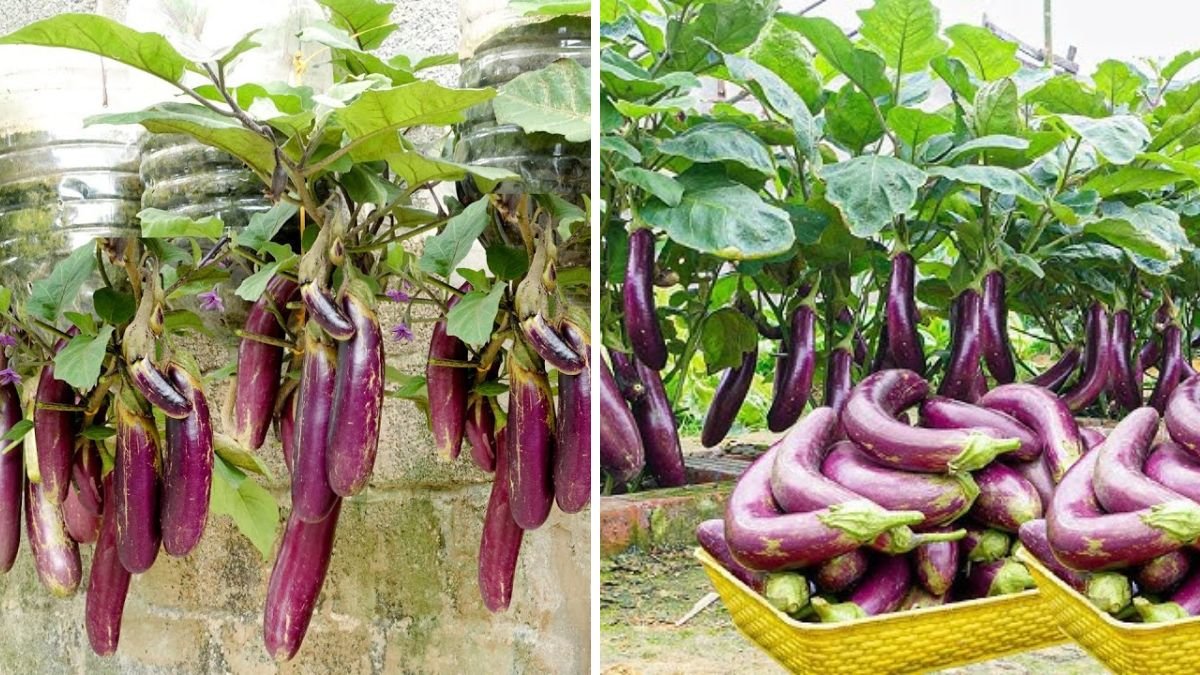
Eggplant, also known as aubergine or brinjal, is a versatile vegetable used in cuisines all over the world. While it is commonly bought from grocery stores, homegrown eggplant not only tastes fresher but can also provide continuous harvests. What if you could grow eggplant at home—even without a backyard or garden—and never have to buy it again? With the right container gardening techniques, nutrient-rich soil, and consistent care, this is entirely possible.
This article explores a proven method for growing eggplant in limited spaces, including terraces, balconies, or sunny windowsills, and shares tips to maximize yield and flavor.
Why Grow Eggplant at Home?
Home gardening has grown in popularity as people look for healthier, chemical-free produce, and a sustainable way to save money. Eggplant is particularly well-suited for container or urban gardening because it thrives in pots, requires moderate maintenance, and provides multiple harvests per season.
Benefits of homegrown eggplant include:
- Better taste and freshness: Homegrown fruits often taste sweeter and are less bitter than store-bought ones.
- Cost savings: Continuous harvests reduce the need for purchasing grocery-store eggplants.
- Sustainability: Regrowing plants in containers reduces food waste and promotes eco-friendly living.
Even urban gardeners can now enjoy a steady supply of eggplants without traditional garden plots. This approach allows anyone, from apartment dwellers to small-space gardeners, to enjoy fresh, nutritious produce throughout the growing season.
Choosing the Right Eggplant Varieties
The first step is selecting varieties suited for container gardening or small spaces. Some popular options include:
- Patio Baby and Bambino: Compact varieties ideal for balconies.
- Fairytale: Small, slim fruits that grow well in containers.
- Asian Eggplants: Long and thin, perfect for indoor or terrace growing.
Choosing the right variety ensures better growth, higher yield, and a continuous harvest. Compact and dwarf varieties also make plant care manageable in limited spaces.
Step-by-Step Method for Growing Eggplant Without a Garden
Even without a backyard, eggplant can thrive with proper care. Here’s a detailed, step-by-step guide:
1. Container Selection
Eggplants need ample space for roots to grow. Use:
- Pots or grow bags with at least 18–20 liters (5 gallons) of soil.
- Containers with drainage holes to prevent waterlogging.
- Materials such as plastic, terra-cotta, or fabric grow bags.
Larger containers allow for more soil volume, which retains moisture and nutrients—both essential for heavy fruiting.
2. Soil Preparation
Eggplants thrive in fertile, well-draining soil. A good mix includes:
- High-quality potting mix or garden soil
- Compost for nutrients
- Coarse sand for aeration
Avoid heavy, clay-rich soil that retains too much water, as it can cause root rot. A rich, well-draining medium supports root growth, encourages larger plants, and results in heavier fruit production.
3. Sunlight and Temperature
Eggplant is a heat-loving plant. For optimal growth:
- Provide 6–8 hours of direct sunlight daily.
- For indoor growth, supplement with LED grow lights if natural light is insufficient.
- Maintain temperatures between 21–29 °C (70–85 °F).
Sunlight and warmth promote flowering, fruiting, and faster plant development, while inadequate light can result in weak plants and poor yields.
4. Planting and Transplanting
Eggplants can be grown from seeds or seedlings:
- Seeds: Start indoors 6–8 weeks before the last frost.
- Seedlings: Transplant when they have 3–4 true leaves.
Space containers 18–24 inches apart for proper air circulation. Use stakes or cages to support taller varieties and prevent stem bending or breakage. Proper spacing and support ensure strong growth and maximize fruit production.
5. Watering and Feeding
Consistent watering and nutrition are crucial for eggplant health:
- Water deeply 1–2 times per week depending on climate and container size.
- Keep the soil moist but not waterlogged.
- Fertilize every 3–4 weeks once flowering starts with a balanced fertilizer.
Mulching helps retain soil moisture, maintain temperature, and reduce weeds. Avoid excessive nitrogen fertilizer, which encourages leaf growth at the expense of fruits.
6. Pest Management
Eggplants are susceptible to pests such as aphids, flea beetles, and spider mites. Regular inspection is key:
- Remove damaged leaves promptly.
- Use organic insecticidal soaps or neem oil as needed.
- Ensure adequate spacing to prevent fungal diseases caused by poor air circulation.
Pest management ensures plants remain healthy and productive throughout the growing season.
7. Harvesting
Harvest eggplants when:
- Fruits have firm, glossy skin.
- Sizes are appropriate for the variety (small for Asian or fairytale types, medium for standard varieties).
Frequent harvesting encourages further fruiting and extends the plant’s productive life. By picking fruits promptly, you stimulate new flower development and maximize overall yield.
Urban Gardening Ideas
Even in apartments, small spaces can be turned into productive eggplant gardens:
- Vertical gardening: Use shelves or railing-mounted pots to save space.
- Terrace or balcony setups: Move pots throughout the day to maximize sunlight exposure.
- Indoor grow lights: Ideal for rooms with limited natural light.
These solutions allow urban gardeners to enjoy fresh eggplants all year round, even without a backyard.
Why This Method Works
The secret to continuous eggplant harvests lies in combining:
- Compact, container-friendly varieties
- Fertile soil and consistent moisture
- Adequate sunlight and warmth
- Regular maintenance and frequent harvesting
This method ensures a reliable, chemical-free supply of eggplants and eliminates the need for repeated grocery store trips. With careful attention, a few well-cared-for containers can provide enough fruit for a family throughout the season.
Authoritative Sources
For deeper insights and science-backed techniques, consult these reputable sources:
- Homes & Gardens – How to Grow Eggplant: Complete guide to planting and care. (homesandgardens.com)
- University of Minnesota Extension – Growing Eggplant: Expert guidance on soil, watering, and harvest. (extension.umn.edu)
- Seedy Farm – Eggplant Growing Guide: Detailed advice on container cultivation. (seedy.farm)
These references provide comprehensive guidance for both beginners and advanced gardeners.
Conclusion
Growing eggplant at home—even without a garden—is achievable and rewarding. By selecting suitable varieties, providing nutrient-rich soil, ensuring sufficient sunlight and warmth, and practicing consistent care and harvesting, you can enjoy continuous, high-quality yields throughout the season.
This method is perfect for urban gardeners, apartment dwellers, and anyone looking to save money while enjoying fresh, chemical-free produce. With minimal investment and space, you can finally say goodbye to store-bought eggplants and embrace the convenience and satisfaction of homegrown brinjal.