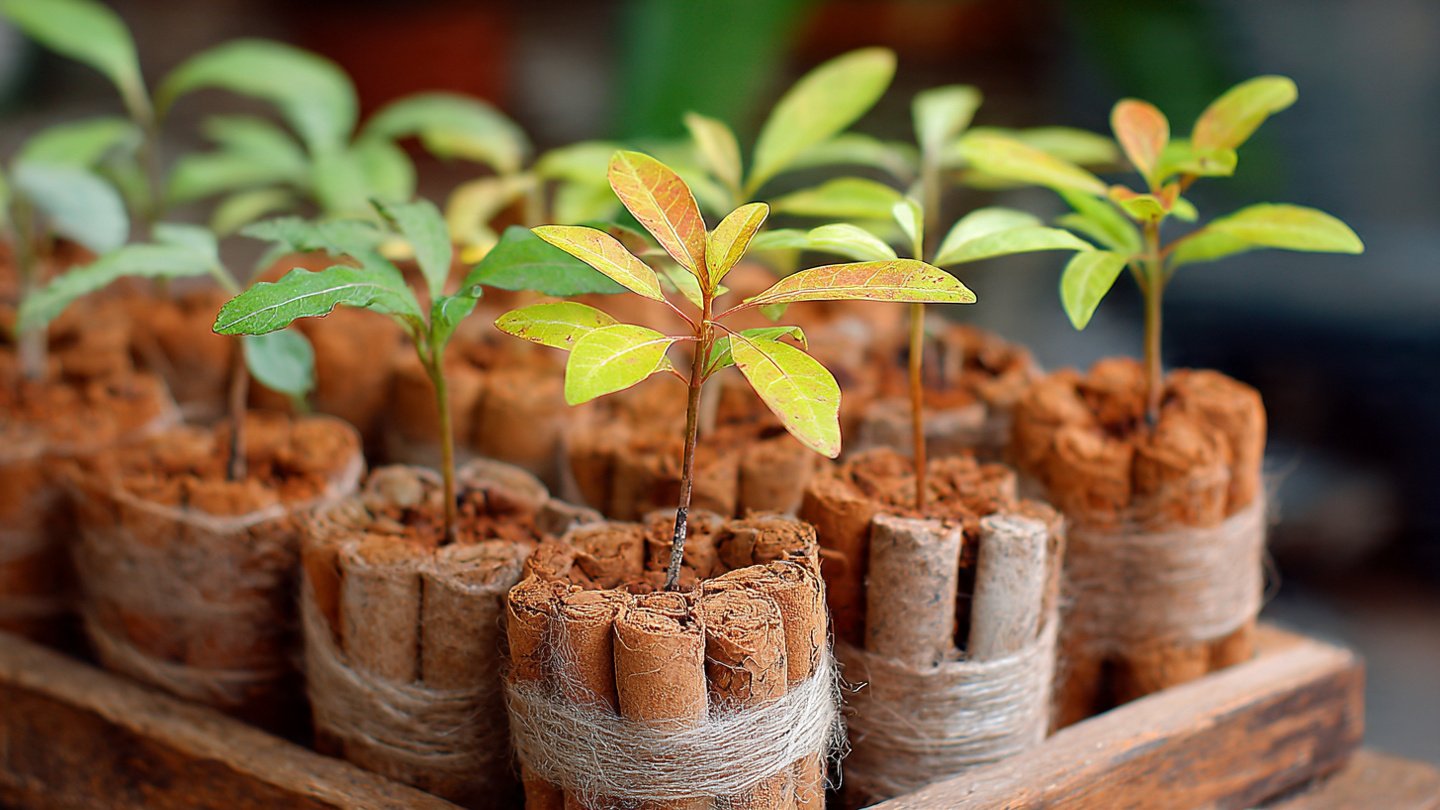
Cinnamon is often associated with delicious baked goods and spicy beverages, but its benefits extend far beyond the kitchen. In recent years, gardening enthusiasts have discovered the remarkable advantages of incorporating cinnamon into their flower seedling trays. This article will explore the various benefits that cinnamon brings, its applications, and how it contributes to healthier and more vibrant seedlings.
The Antifungal Properties of Cinnamon
One of the most significant advantages of using cinnamon in seedling trays is its natural antifungal properties. Seedlings are susceptible to a range of fungal diseases, which can devastate young plants if not managed properly. Cinnamon contains compounds such as cinnamaldehyde and eugenol, which have been shown to effectively inhibit the growth of various fungi.
By sprinkling cinnamon on the soil or directly on the seedlings, gardeners can create an inhospitable environment for harmful fungi such as:
- damping-off disease
- root rot
- black mold
Applying cinnamon can protect seedlings from these threats while promoting a healthier growing environment. It is a cost-effective, organic solution for those seeking an alternative to chemical fungicides.
Promoting Stronger Seedling Growth
Cinnamon can also contribute to the overall growth and development of seedlings. Research indicates that cinnamon contains beneficial compounds that can stimulate root growth and improve the plant’s capacity to absorb nutrients. When added to seedling trays, cinnamon enhances the soil’s nutritional profile, thereby promoting better growth rates.
Incorporating cinnamon into your growing routine can lead to:
- more robust root systems
- increased nutrient uptake
- improved resistance to stressors such as drought and nutrient deficiency
Cinnamon as a Natural Insect Repellent
Along with its antifungal properties, cinnamon can also act as a natural insect repellent. Many pests, including ants, mosquito larvae, and even some larger insects, are deterred by the strong aroma of cinnamon. By sprinkling cinnamon in your flower seedling trays, you can create a protective barrier that keeps these pests at bay.
This natural pest control method is particularly appealing to organic gardeners who wish to avoid synthetic pesticides while maintaining healthy plants. It’s essential to ensure that the concentration of cinnamon remains manageable; excessive use could potentially harm beneficial insects or the seedlings themselves.
Encouraging Healthy Soil Microbes
Cinnamon does not only affect plants directly; it also plays a vital role in nurturing the soil microbiome. Healthy soil is teeming with beneficial microorganisms that support plant growth by breaking down organic matter and making nutrients available to seedlings.
The compounds in cinnamon can encourage the growth of these beneficial microbes while suppressing harmful ones, thus enhancing soil health. Using cinnamon in seedling trays helps create a balanced ecosystem that promotes optimal plant health and viability.
Application Techniques for Cinnamon in Seedling Trays
Adding cinnamon to your flower seedling trays is easy and can be achieved through several methods:
1. Soil Amendment
Before planting seeds, mix a teaspoon of cinnamon into the potting soil. This will serve as a preventive measure against fungal diseases right from the start.
2. Sprinkling on Seedlings
Once seedlings begin to surface, lightly sprinkle cinnamon on the soil’s surface. This will help keep fungi at bay and deter pests.
3. Cinnamon Tea Spray
Prepare a cinnamon tea by steeping a tablespoon of ground cinnamon in boiling water. Let it cool, then strain and use it as a foliar spray on seedlings. This can provide added antifungal protection and boost their growth.
Potential Downsides
While cinnamon offers numerous benefits, it’s crucial to use it in moderation. Excessive application can lead to soil acidity issues, which could inhibit seedling growth. Additionally, overuse may deter beneficial insects, so it’s advisable to maintain a balanced approach.
Conclusion
The use of cinnamon in flower seedling trays can yield multiple benefits, from preventing fungal infections to enhancing growth and deterring pests. It is a natural, cost-effective solution for gardeners looking to improve the health of their seedlings without resorting to synthetic chemicals.
As more gardeners adopt organic practices, cinnamon stands out as a versatile ingredient that not only aids in plant health but also contributes to sustainable gardening practices. By incorporating this common spice into your planting routine, you can foster a thriving garden that is both beautiful and productive.
FAQs
1. Can I use cinnamon on all types of seedlings?
Yes, cinnamon can be used on various types of seedlings, but it’s best to test it on a small batch first. Most flowers and herbs can benefit from its properties.
2. How often should I apply cinnamon to my seedlings?
Generally, applying cinnamon once when planting and then sparingly every couple of weeks should suffice. Avoid over-application.
3. Is cinnamon harmful to beneficial insects?
Cinnamon can deter some pests, but excessive use may harm beneficial insects. Use it judiciously to maintain a balanced ecosystem.
4. Can I use cinnamon sticks instead of ground cinnamon?
Ground cinnamon is more effective for direct application, while cinnamon sticks can be used to brew tea or as a slow-release option in soil.
5. Are there any alternatives to cinnamon for fungal protection?
Other natural antifungal options include garlic, neem oil, or baking soda. However, cinnamon remains one of the most accessible and effective choices.