Introduction
Citrus trees are a popular choice for home gardens, providing not only stunning greenery but also delicious fruit. However, noticing your citrus leaves turning yellow can be concerning. Understanding the reasons behind this issue is essential for maintaining healthy plants and ensuring a bountiful harvest.
Common Causes of Yellowing Citrus Leaves
1. Nutrient Deficiency
One of the primary reasons for yellowing leaves in citrus trees is nutrient deficiency, particularly nitrogen, magnesium, and iron. Citrus trees require a balanced mix of nutrients to thrive.
- Nitrogen Deficiency: A lack of nitrogen leads to overall yellowing, especially in older leaves.
- Magnesium Deficiency: When magnesium is low, leaves will exhibit yellowing between veins, with veins remaining green.
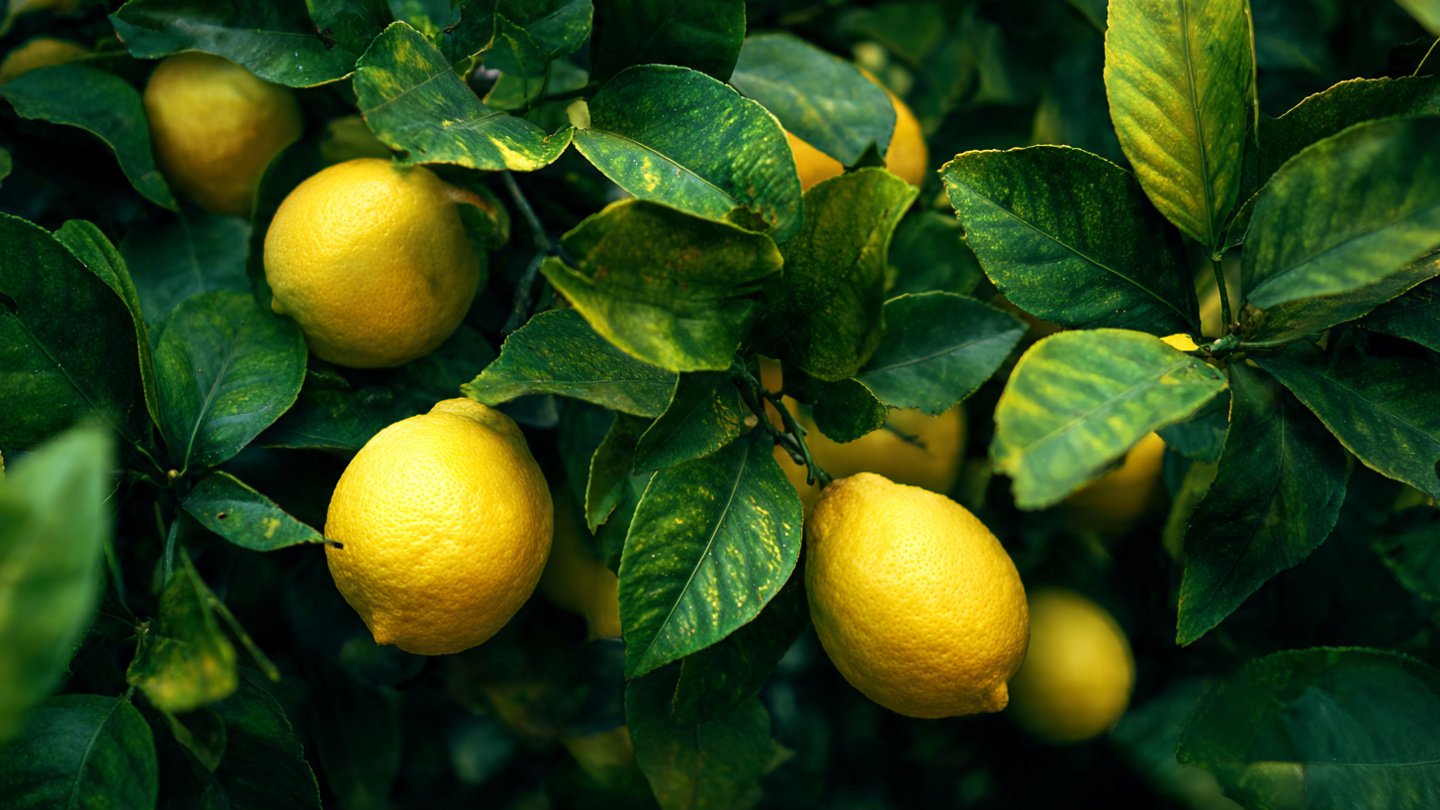
- Iron Deficiency: This results in the youngest leaves turning yellow while the veins remain green, often called interveinal chlorosis.
2. Overwatering
Citrus trees are sensitive to waterlogged conditions. Overwatering can suffocate their roots, leading to yellowing leaves. If the soil remains wet for extended periods, roots can begin to rot, adversely affecting the tree’s health.
3. Pest Infestations
Pests such as aphids, spider mites, and whiteflies can cause significant damage to citrus leaves. These pests sap nutrients from the leaves and can lead to yellowing, curling, and even dropping off the leaves. Detecting and addressing these infestations early is crucial.
4. Diseases
Fungal and bacterial diseases can also contribute to the yellowing of citrus leaves. Diseases such as citrus greening can compromise the tree’s health and should be treated promptly.
5. Environmental Stress
Changes in environmental conditions, including temperature fluctuations, inadequate sunlight, or extreme weather, can stress citrus trees. Stress often manifests as yellowing leaves. Citrus trees typically require full sunlight and stable temperatures to thrive.
6. pH Imbalance
The pH level of the soil plays a significant role in the absorption of nutrients. If the soil is too acidic or alkaline, it may hinder nutrient uptake. Citrus trees prefer slightly acidic to neutral soil pH (around 6 to 7).
How to Revitalize Yellowing Citrus Leaves
1. Assess and Adjust Nutrient Levels
Regularly test the soil for nutrient levels. If nutrient deficiencies are identified, consider applying a balanced fertilizer specifically designed for citrus trees. Organic options like compost, bone meal, or fish emulsion are also beneficial.
2. Monitor Watering Practices
Ensure the citrus tree is not overwatered. Allow the top inch of soil to dry out before watering again. Proper drainage in pots or raised beds can prevent soggy roots.
3. Control Pests
If pests are detected, act quickly. Use insecticidal soap or neem oil, making sure to follow instructions carefully. Regularly inspecting leaves can help catch infestations early before they escalate.
4. Address Diseases Promptly
For any signs of disease, consult a local extension service or horticulturist. Early diagnosis can be crucial. Fungicides or bactericides may be necessary, depending on the specific disease affecting your tree.
5. Optimize Growing Conditions
Provide optimal growing conditions by ensuring full sunlight exposure and protection from extreme weather. Consider relocating potted citrus trees indoors or to a sheltered area during harsh weather.
6. Adjust Soil pH
If the soil pH is not within the preferred range, you can amend it. Lime can be added to raise the pH, while sulfur can be used to lower it. Perform a soil test to determine the current pH level before making amendments.
Conclusion
Yellowing leaves in citrus trees can indicate underlying issues ranging from nutrient deficiencies to environmental stress. By identifying the cause and implementing corrective measures, you can revitalize your citrus tree and promote healthier growth. Regular monitoring and care are key to ensuring your tree remains vibrant and fruitful.
FAQs
1. How often should I fertilize my citrus tree?
Typically, citrus trees benefit from fertilization three to four times a year with a balanced fertilizer. Follow the instructions on the product for specific application rates.
2. What’s the best way to water citrus trees?
Water deeply but infrequently. Allow the top inch of soil to dry out between waterings to avoid overwatering and root rot.
3. Can yellow leaves recover?
Yes, yellowing leaves can recover if the underlying issues are addressed. Healthy new growth will typically replace damaged leaves over time.
4. What is the ideal pH for citrus trees?
Citrus trees prefer a soil pH between 6.0 and 7.0. Testing the soil will help determine if amendments are necessary.
5. How can I tell if my citrus tree is getting enough sunlight?
If the tree has sparse growth, elongated branches, or small fruit, it may not be getting enough sunlight. Citrus trees require at least 6-8 hours of direct sunlight daily for optimal growth.