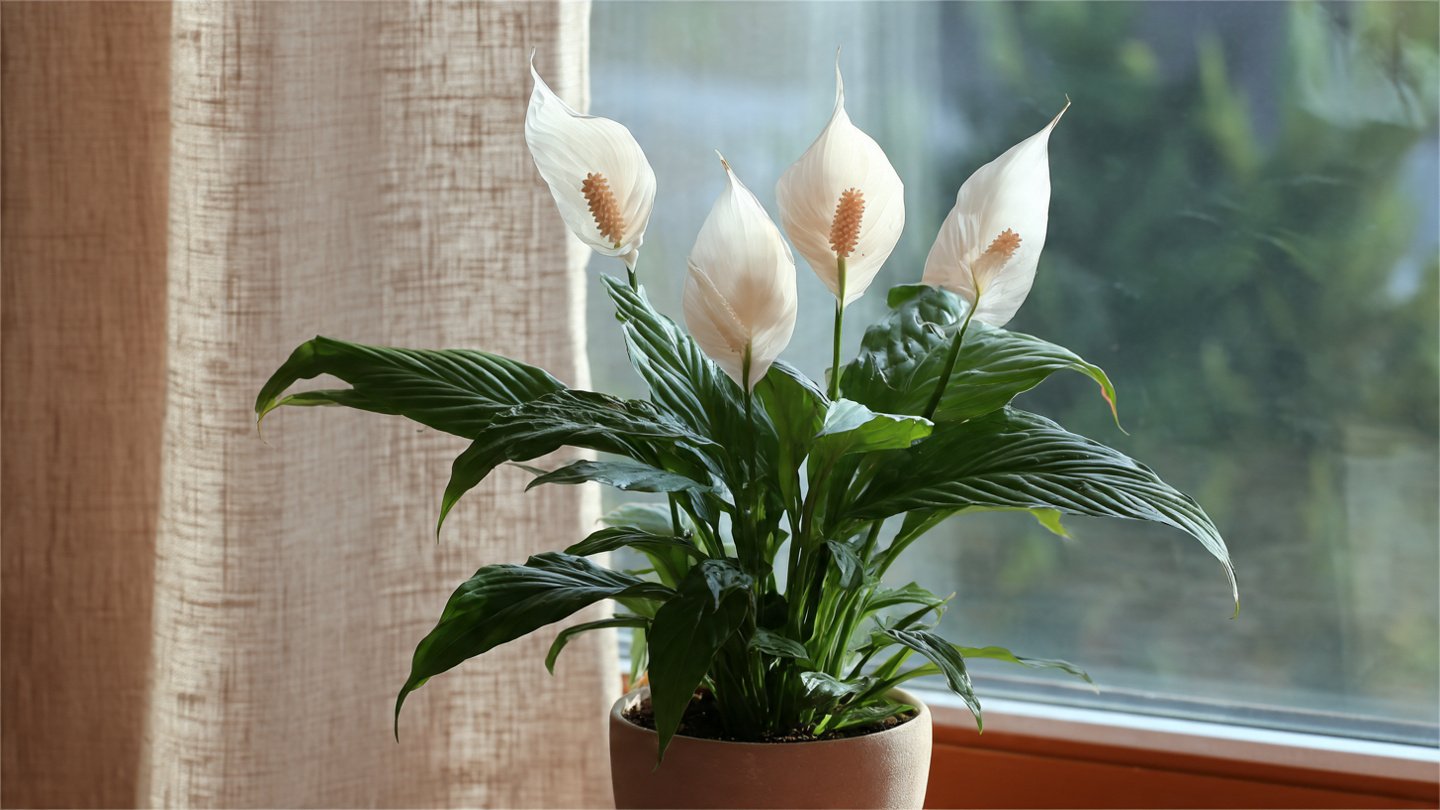
Understanding the Peace Lily
The Peace Lily (Spathiphyllum) is a popular houseplant recognized for its beautiful white flowers and lush green leaves. Unfortunately, even the hardiest plants can show signs of distress. One common issue caregivers face is the wilting of Peace Lilies, even when the soil appears moist. This article will explore the potential causes behind this phenomenon.
Causes of Wilting in Peace Lilies
1. Overwatering
At first glance, it might seem contradictory, but overwatering is a primary cause of wilting in Peace Lilies. While these plants thrive in moist soil, they can be sensitive to excessive moisture. When the roots sit in waterlogged soil, they can develop root rot, which prevents them from absorbing essential nutrients and water.
- Signs of overwatering include yellowing leaves, a foul smell from the soil, and blackened roots.
2. Underwatering
Conversely, underwatering can also lead to wilting. Although Peace Lilies prefer consistent moisture, they cannot tolerate dry conditions for extended periods. If the soil dries out completely, the plant will droop as it struggles to retain hydration.
- Indicators of underwatering include crispy leaf edges and a dry soil surface.
3. Improper Lighting
Peace Lilies thrive in bright, indirect sunlight. Insufficient light can stress the plant, leading to wilting and a lack of blooming. Conversely, too much direct sunlight can scorch the leaves, causing them to wilt as well.
- To ensure your plant is in the right lighting, position it near a window with filtered light or several feet away from a south-facing window.
4. Temperature Stress
Peace Lilies prefer temperatures between 65-85°F (18-29°C). Abrupt temperature swings or exposure to cold drafts can cause wilting. Additionally, placing the plant near heating vents or radiators can dry it out.
- Monitor your plant’s location and ensure it’s not exposed to extremes.
5. Pests and Diseases
Insects such as spider mites, mealybugs, and aphids can lead to weakness in Peace Lilies, causing wilting. These pests feed on the plant’s sap, resulting in drained energy and dehydrated leaves.
- Check the leaves regularly for signs of pests and treat any infestations promptly.
6. Nutrient Deficiencies
Lack of essential nutrients can lead to poor health and wilting. Peace Lilies benefit from regular fertilization during the growing season. Nutrient deficiencies, especially nitrogen, can manifest through yellowing leaves and weakened stems.
- Opt for a balanced houseplant fertilizer, applying it every 4-6 weeks during the active growth period.
7. Disease and Rot
Diseases such as root rot or Fusarium wilt can severely affect a plant’s health. Root rot, often caused by overwatering, can lead to a wilting effect as the roots die off. Fusarium wilt is a soil-borne fungus that disrupts water uptake.
- Inspect the roots by gently removing the plant from its pot and looking for signs of rot or decay.
8. Container Size and Drainage
Sometimes, the pot size can be an issue. A pot that’s too small can restrict root growth, leading to wilting. Conversely, a pot without proper drainage can cause water to accumulate at the roots, leading to rotting.
- Ensure your Peace Lily is in a pot that allows for drainage and is appropriate for its size.
9. Environmental Conditions
The environment where your Peace Lily is kept plays a significant role in its health. Low humidity, for instance, can cause the leaves to droop. Peace Lilies flourish in humid conditions and might wilt if the air is too dry.
- Consider using a humidifier, especially during dry seasons. Mist the leaves occasionally to promote humidity.
Steps to Revive a Wilting Peace Lily
If you notice your Peace Lily wilting despite moist soil, follow these steps to evaluate the situation and take corrective measures:
- Check for Overwatering: Ensure that the pot has drainage holes and that excess water is not pooling at the bottom.
- Adjust Watering Schedule: Allow the top inch of soil to dry out before adding more water.
- Review the Light Conditions: Move the pot to a location where it receives bright, indirect light.
- Monitor Temperature: Keep the plant in a stable environment away from drafts or direct heat sources.
- Inspect for Pests: Look for any visible insects or webbing and treat accordingly.
- Fertilize Wisely: Use a balanced liquid fertilizer during the growing season to ensure proper nutrient intake.
- Consider Repotting: If the roots are congested or showing signs of rot, repot into fresh soil and a suitable-sized container.
Conclusion
Wilting in Peace Lilies, despite moist soil, can stem from several factors, including overwatering, poor lighting, temperature stress, pests, and nutrient deficiencies. Understanding these potential problems will not only help you identify the cause of your plant’s distress but also enable you to take the necessary steps to revive it. Regular monitoring and care will ensure that your Peace Lily remains a vibrant addition to your home.
FAQs
Q1: Can I water my Peace Lily with tap water?
A1: Yes, but it’s recommended to let tap water sit for 24 hours before using it. This allows harmful chemicals like chlorine to dissipate.
Q2: How often should I fertilize my Peace Lily?
A2: Fertilize every 4-6 weeks during the growing season (spring and summer) with a balanced, water-soluble fertilizer.
Q3: Is it normal for Peace Lilies to droop at night?
A3: Yes, Peace Lilies may droop slightly at night and perk up during the day. However, if it remains droopy for extended periods, investigate further.
Q4: What is the ideal humidity level for Peace Lilies?
A4: Peace Lilies prefer humidity levels between 40-60%. If your home is drier, consider using a humidifier or misting the plant.
Q5: Can Peace Lilies thrive in low light conditions?
A5: While they can survive in low light, Peace Lilies may not bloom and will likely show signs of stress, such as wilting.