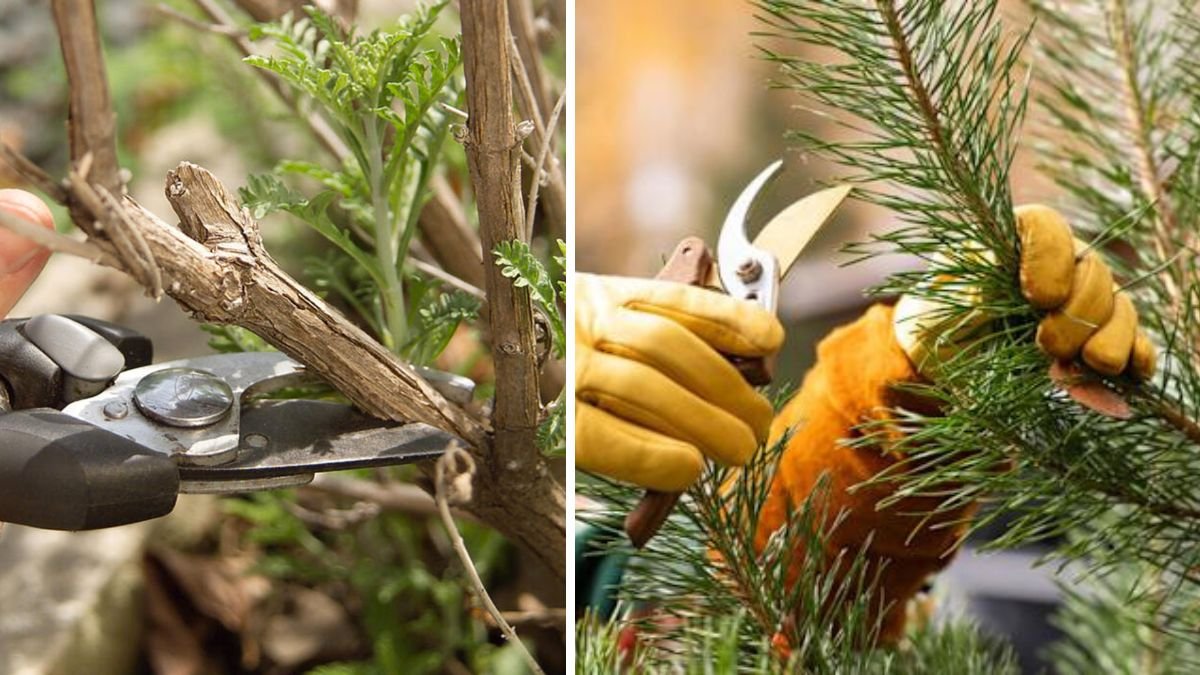
Introduction
Pruning evergreen trees seems simple: trim a few branches and shape the tree, right? Not quite. Most gardeners unknowingly make mistakes that can stress, weaken, or even kill their trees. Common errors include pruning at the wrong season, over-pruning, improper cutting techniques, and poor tool maintenance.
Unlike deciduous trees, evergreens do not go fully dormant in winter, which means pruning affects their energy, growth, and resilience differently. With expert guidance and proper techniques, pruning can strengthen your evergreen trees, enhance their natural shape, and promote long-term health.
The Wrong Time to Prune
Timing is one of the most common mistakes in evergreen pruning. While deciduous trees often tolerate winter pruning, evergreens are more vulnerable during cold months. Pruning in fall or winter can:
- Expose freshly cut wounds to frost and water loss
- Prevent proper healing before spring growth
- Increase susceptibility to pests and disease
Experts recommend pruning evergreens in late winter or early spring, before new growth begins but after the coldest temperatures have passed. This timing allows the tree to heal quickly and grow vigorously once the growing season starts. (homesandgardens.com)
Pruning in adverse weather — frost, rain, or extreme heat — also increases stress. Cold makes wood brittle, rain promotes fungal infection, and heat can dry out fresh cuts. Choosing a mild, frost-free day ensures cuts heal efficiently. (idealhome.co.uk)
Avoid Over-Pruning
One of the biggest mistakes is removing too much foliage at once. Evergreens depend on their canopy year-round for photosynthesis. Cutting more than 25–30% of foliage in a single season can:
- Shock the tree and slow growth
- Reduce energy production
- Invite pests and disease
Instead, make gradual, light cuts over multiple seasons. Focus on purposeful trimming rather than drastic changes. This approach encourages healthy growth and preserves the tree’s structural integrity. (savatree.com)
Proper Cutting Techniques
Even experienced gardeners make mistakes in cutting technique. Common errors include:
- Flush cuts: Removing the branch collar, which prevents proper wound closure
- Long stubs: Leaving parts of branches that can decay or harbor disease
- Haphazard cuts: Pruning without considering the tree’s structure
Every cut should be precise: just outside the branch collar to allow natural healing and prevent structural weakness. Proper cutting ensures nutrients flow efficiently and reduces stress on the tree. (treescouts.com)
Use the Right Tools
Tools play a critical role in pruning success. Using dull or dirty blades crushes branches rather than cutting cleanly, slowing healing and spreading pathogens. Using the wrong tool — for example, hand pruners on large branches — increases the risk of damage.
Before pruning, sharpen and disinfect tools. Use bypass pruners for small branches, loppers for thicker growth, and saws for larger limbs. Clean tools prevent disease spread and produce smoother cuts that heal faster. (greenthumb-ottawa.com)
Plan Before You Prune
Pruning without a plan often results in removing too much or creating structural problems. A clear plan considers:
- What to remove: Focus on dead, diseased, or crossing branches first
- Why: Decide whether the goal is health, safety, or aesthetics
- Future growth: Consider how cuts affect canopy structure and sunlight penetration
Strategic pruning enhances the tree’s form, promotes growth, and prevents long-term issues. (greenthumb-ottawa.com)
Evergreen-Specific Considerations
Evergreens respond differently from deciduous trees due to their year-round foliage. Keep these tips in mind:
- Prune in early spring, before new growth
- Remove dead or weak branches first
- Avoid heavy pruning late in fall or winter
- Focus on branch tips for shaping, not entire limbs
- Take smaller, frequent pruning sessions instead of massive cuts (homesandgardens.com)
This approach maintains photosynthesis, reduces stress, and encourages healthy canopy development.
Structural Pruning
Evergreens are often shaped into hedges or ornamental forms. Structural pruning removes problem areas like:
- Crossing branches
- Competing leaders
- Uneven canopy density
Proper structural pruning supports the tree’s natural form, improves wind resistance, and prevents limb failure under heavy snow or storms. Ignoring structure leads to weak frameworks and long-term maintenance issues. (cagwin.com)
When to Call a Professional
Some pruning situations require a professional arborist. Large limbs, tall trees, or branches near power lines pose safety risks. Professional arborists have:
- Specialized tools for large or high branches
- Species-specific pruning knowledge
- Safety training for complex or hazardous jobs
Hiring an arborist ensures safety and proper tree care, preventing accidental damage and long-term structural problems.
Common Mistakes Recap
Here’s a quick recap of what everyone gets wrong about pruning evergreens:
- Wrong season: Pruning in fall or winter damages trees
- Over-pruning: Removing too much foliage in one session
- Improper cuts: Flush cuts, long stubs, and random trimming
- Poor tools: Dull or unclean blades increase disease risk
- Lack of planning: Leads to weak structure and uneven growth
- Ignoring weather: Frost, rain, or heat stress fresh cuts
- Neglecting structural pruning: Creates long-term stability issues
Recommended Resources
For more guidance on pruning evergreens:
- Arborist associations (ISA) — professional pruning standards
- University extension guides (USDA, Purdue) — pruning health and techniques
- Horticultural organizations (RHS, Arbor Day Foundation) — timing and species-specific advice
- Trusted gardening publications — common mistakes and how to avoid them
These sources provide reliable, science-based practices for tree health and longevity.
Conclusion
Pruning an evergreen tree is more than shaping foliage — it’s a careful practice that impacts tree health, structure, and lifespan. Most mistakes come from poor timing, over-pruning, improper cuts, and lack of planning.
To prune like a pro:
- Choose the right season (early spring)
- Make precise, purposeful cuts
- Use proper, clean tools
- Plan what and why before cutting
- Call a professional arborist when necessary
With patience, planning, and proper technique, your evergreen tree will thrive, producing lush, healthy foliage and a strong structure for years to come.