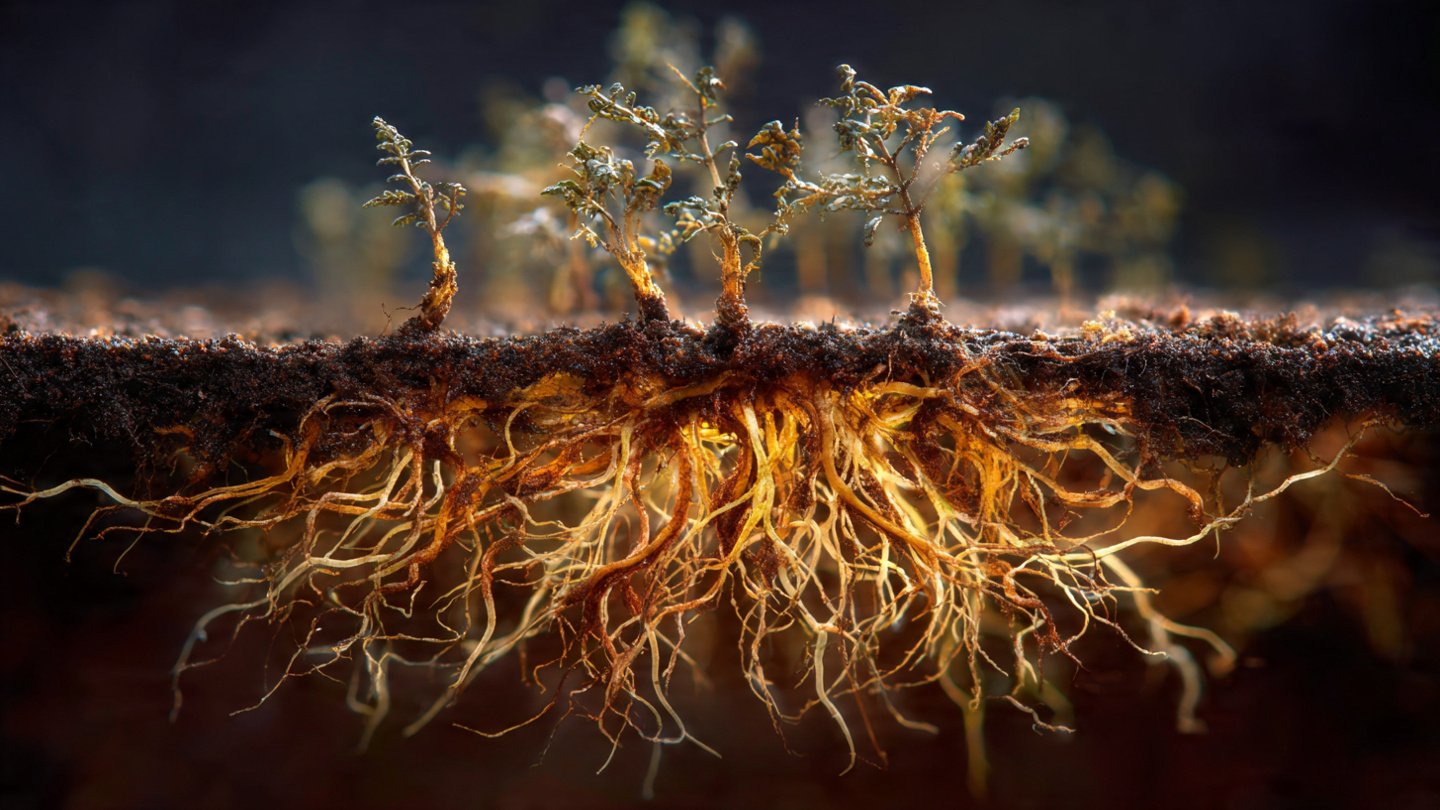
Mycorrhizal fungi are a group of beneficial fungi that form symbiotic relationships with the roots of plants. This intricate alliance has persisted for over 400 million years, an essential component of soil health and plant vitality. Understanding the secrets these fungi hold can provide valuable insights into boosting root growth and enhancing overall plant health.
The Role of Mycorrhizal Fungi
Mycorrhizal fungi establish a network of connections between their hyphae and plant roots, expanding the root system’s reach and efficiency. This relationship primarily benefits both parties; the plant provides carbohydrates and sugars to the fungi while receiving access to nutrients and water in return. Such exchanges enhance the plant’s overall growth and vigor.
Types of Mycorrhizal Fungi
Mycorrhizal fungi generally fall into two main categories: arbuscular mycorrhizal fungi (AMF) and ectomycorrhizal fungi (EMF).
- Arbuscular Mycorrhizal Fungi (AMF): These fungi penetrate plant roots and form structures called arbuscules, which facilitate nutrient exchange. AMF is present in around 80% of terrestrial plants and is particularly beneficial for crops, vegetables, and ornamental plants.
- Ectomycorrhizal Fungi (EMF): Unlike AMF, EMF envelops the root tips and forms a protective mantle. These fungi are commonly associated with trees and shrubs, particularly conifers. They play a significant role in nutrient acquisition from poor soils.
The Secrets of Mycorrhizal Fungi
By exploring the mechanisms employed by mycorrhizal fungi, we can unlock secrets that significantly enhance root growth and overall plant health.
1. Nutrient Uptake
Mycorrhizal fungi facilitate nutrient uptake, especially of essential elements like phosphorus, nitrogen, and micronutrients. Through their extensive hyphal network, they absorb nutrients from the soil, making them available to the host plant.
Studies show that plants with mycorrhizal associations have better phosphorus levels, which is crucial for root development. This improvement leads to deeper and more extensive root systems, enhancing the plant’s ability to tap into water and nutrients lodged deep within the soil.
2. Water Absorption
Mycorrhizal fungi contribute to improved water absorption. Their hyphae can reach moisture pockets that plant roots cannot, leading to enhanced drought resistance. This capability allows plants to thrive in challenging environments, ensuring consistent growth even during dry spells.
3. Soil Structure and Health
Mycorrhizal fungi play a crucial role in soil aggregation. Through their mycelial networks, they bind soil particles, enhancing soil structure and porosity. This improvement facilitates better aeration and drainage, creating an optimal environment for root growth.
Additionally, healthier soil hosts a thriving microbiome, which can help suppress pathogens, further enhancing plant growth and health.
4. Stress Resistance
Plants associated with mycorrhizal fungi are often more resilient to environmental stresses. The fungi can enhance the plant’s natural defense mechanisms against pests and diseases.Studies indicate that mycorrhizal plants exhibit reduced symptoms of stress, resulting in stronger and healthier growth during adverse conditions.
5. Hormonal Regulation
Mycorrhizal fungi can influence the hormonal balance within plants. They stimulate the production of growth hormones like auxins, gibberellins, and cytokinins, which are vital for root development. This hormonal regulation can lead to increased root branching and enhanced growth rates.
Practical Applications in Agriculture and Gardening
The secrets of mycorrhizal fungi can have profound implications for agriculture and gardening. By harnessing their power, farmers and gardeners can promote healthier, more robust plant growth. Here are some practical applications:
1. Inoculation
Farmers can introduce mycorrhizal fungi into their soil through inoculation. Commercial products containing mycorrhizal spores or mycelium are available for this purpose. Applying these products during planting can significantly enhance root development and overall plant health.
2. Organic Farming
In organic farming, mycorrhizal fungi can replace chemical fertilizers. By improving nutrient uptake and soil health, these fungi can reduce reliance on synthetic inputs, aligning with organic farming principles and enhancing sustainability.
3. Landscape Architecture
In landscaping projects, incorporating mycorrhizal fungi into soil preparations can promote healthy plant growth and reduce water consumption. This approach is particularly beneficial in urban environments where soil health is often compromised.
4. Restoration Ecology
Mycorrhizal fungi can be pivotal in restoration ecology projects. Reintroducing these fungi into disturbed soils can help native plants establish more effectively, promoting ecosystem recovery and biodiversity.
Conclusion
Mycorrhizal fungi offer a treasure trove of secrets for boosting root growth and enhancing plant vitality. By improving nutrient uptake, water absorption, soil structure, and stress resistance, these fungi play a key role in sustainable agriculture and horticulture. Their ability to foster healthier, more resilient plants positions them as indispensable allies in our quest for a more sustainable interaction with our environment. Harnessing the power of mycorrhizal relationships can lead to not only robust plants but also healthier ecosystems.
FAQs
1. What are mycorrhizal fungi?
Mycorrhizal fungi are fungi that form symbiotic relationships with plant roots, enhancing nutrient and water uptake.
2. How do mycorrhizal fungi promote root growth?
They increase nutrient availability, improve soil structure, and enhance water absorption, contributing to more extensive root systems.
3. Can I inoculate my garden with mycorrhizal fungi?
Yes, there are commercial products available for inoculating soil with mycorrhizal fungi, promoting healthier plant growth.
4. Are mycorrhizal fungi safe for all plants?
Most plants benefit from mycorrhizal associations, but specific plants may have particular types of mycorrhizal fungi that suit them best.
5. How do mycorrhizal fungi help in organic farming?
They enhance plant growth and soil health, reducing the need for synthetic fertilizers while promoting sustainable practices.