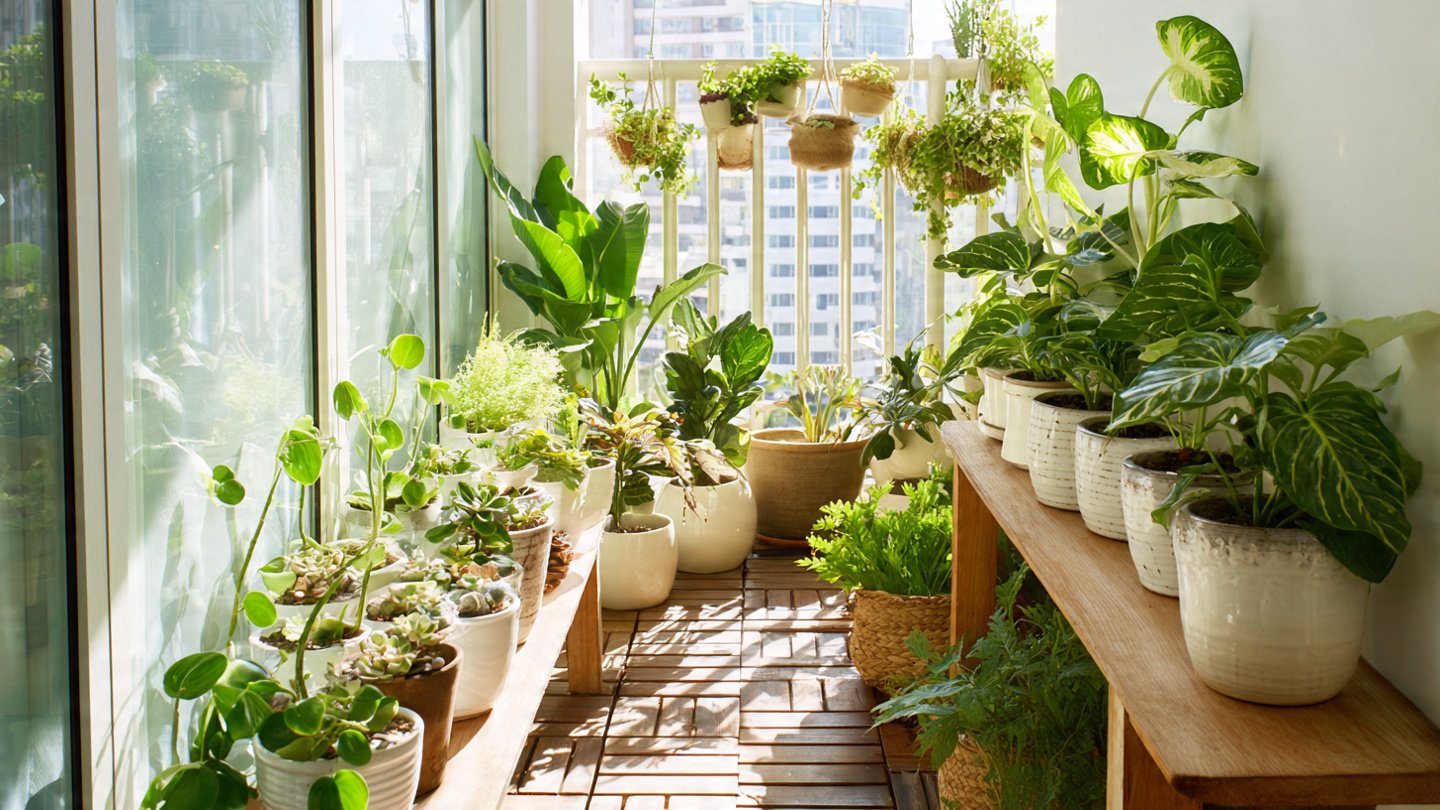
Creating a cozy and safe environment on an apartment balcony is a rewarding endeavor, especially for pet owners. Dogs, particularly small breeds, can be curious and prone to munching on their surroundings. Therefore, selecting non-toxic plants is essential to ensure the safety of your furry companions. This article explores several dog-safe plants that thrive in balcony settings, providing tips on care and arrangement to create a picturesque and safe green space.
Understanding Non-Toxic Plants
Before delving into specific plant varieties, it’s essential to understand what makes a plant non-toxic. The American Society for the Prevention of Cruelty to Animals (ASPCA) defines non-toxic plants as those that do not contain harmful substances or compounds that can cause adverse reactions in pets when ingested. While some plants might be safe for humans, they can be dangerous for dogs, so always double-check for canine compatibility.
Importance of Non-Toxic Plants for Dogs
Safety: The primary reason for choosing non-toxic varieties is to prevent potential poisoning. Dogs can be curious or anxious, leading them to explore and nibble on plants.
Peace of Mind: Knowing that your flora is safe allows you to relax and enjoy your balcony without constant worry about your pet’s health.
Health Benefits: Many non-toxic plants have air-purifying qualities and can contribute positively to your living environment.
Top Non-Toxic Plants for Apartment Balconies
1. Spider Plant (Chlorophytum comosum)
The Spider Plant is a resilient option that thrives in indirect sunlight. Its long, arching leaves can tolerate various conditions and can grow both outdoors and indoors. This plant is also known for its air-purifying properties, making it an excellent choice for any dog owner. Dogs can nibble on it without fear, as it is listed as non-toxic by the ASPCA.
Care Tips:
- Light: Indirect sunlight.
- Water: Keep the soil slightly moist; avoid overwatering.
2. Boston Fern (Nephrolepis exaltata)
Boston Ferns are lush, attractive ferns that typically thrive in humid conditions, making them a great fit for your balcony, especially if it’s partially shaded. They add a tropical feel and are safe for dogs.
Care Tips:
- Light: Prefers indirect light.
- Water: Keep the soil moist; mist the leaves to increase humidity.
3. Parlor Palm (Chamaedorea elegans)
The Parlor Palm is an elegant plant that grows well in low light. It adds a touch of sophistication to your balcony while being safe for dogs. This plant is also very forgiving, making it perfect for less experienced gardeners.
Care Tips:
- Light: Low to moderate indirect light.
- Water: Water when the top inch of soil feels dry.
4. Friendship Plant (Pilea involucrata)
Friendship Plants are charming with their unique patterned leaves. They are small and manageable, making them perfect for balcony environments. They thrive in indirect sunlight, and their small size makes them easily transportable.
Care Tips:
- Light: Bright, indirect light.
- Water: Allow the soil to dry out slightly between waterings.
5. Areca Palm (Dypsis lutescens)
The Areca Palm, also known as the Butterfly Palm, is safe for pets and adds a tropical atmosphere. Its feathery fronds can grow quite tall but can also be kept in check with regular pruning.
Care Tips:
- Light: Prefers bright, indirect light.
- Water: Water regularly but allow the soil to dry out slightly.
6. Calathea (Calathea spp.)
Calatheas are known for their beautifully patterned leaves and unique shapes. These plants thrive in low light, making them perfect for shadier balconies. They are also non-toxic and safe for dogs.
Care Tips:
- Light: Low to medium indirect light.
- Water: Keep the soil slightly moist, ensuring good drainage.
7. Bamboo Palm (Chamaedorea seifrizii)
Bamboo Palms add a tropical vibe and are known for their air-filtering capabilities. They thrive in various conditions and are non-toxic, making them another excellent option for dog owners.
Care Tips:
- Light: Prefers indirect light.
- Water: Allow the soil to dry out between waterings.
8. African Violet (Saintpaulia)
African Violets are flowering plants that consistently bring color and joy. Not only are they non-toxic to dogs, but they also come in various beautiful shades.
Care Tips:
- Light: Requires bright, indirect light.
- Water: Water from the bottom to avoid getting the leaves wet, which can cause rot.
9. Christmas Cactus (Schlumbergera)
This festive plant becomes a true focal point during the holiday season, producing beautiful blooms. The Christmas Cactus is non-toxic and can thrive in various environments.
Care Tips:
- Light: Bright, indirect light.
- Water: Allow the soil to dry out between waterings.
10. Spiderwort (Tradescantia)
Spiderwort is an attractive and non-toxic option that offers beautiful trailing vines. It’s easy to care for and thrives well in various light conditions.
Care Tips:
- Light: Prefers moderate indirect light.
- Water: Keep the soil slightly moist but avoid waterlogging.
Creating a Dog-Friendly Balcony Space
Plan the Layout: Position plants in a way that minimizes the risk of your dog knocking them over. Consider using shelves or hanging pots for delicate plants.
Paw-Friendly Surfaces: Opt for non-slip mats or surfaces to create a comfortable area for your dog. Grass mats can also work well.
Shade and Shelter: Ensure there’s enough shade for your dog to relax without overheating, especially during hot months.
Safe Borders: If your balcony is at a significant height, consider a barrier that prevents your dog from getting too close to the edge.
Regular Maintenance: Regularly check plants for pests or damage. Avoid chemical pesticides, opting for pet-safe alternatives instead.
Conclusion
Creating a green sanctuary on your apartment balcony is a beautiful way to enhance your living space while ensuring safety for your small dog. With a variety of non-toxic plants available, you can cultivate a thriving environment that reflects your style and care for your pet.
Whether you opt for the vibrant colors of African Violets, the elegance of the Parlor Palm, or the unique charm of Calathea, rest assured that your choices will contribute positively to your home and your dog’s well-being. Happy planting!