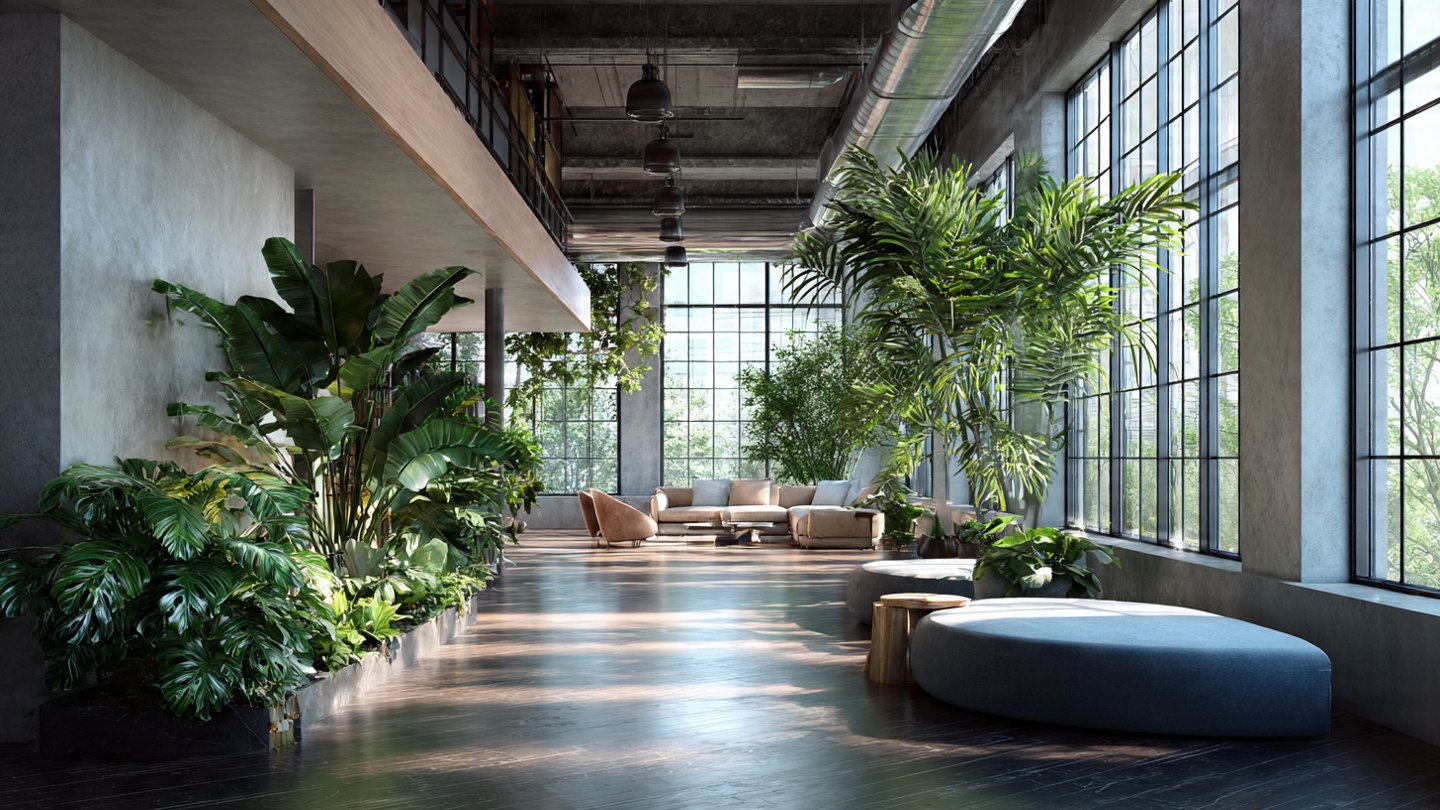
High ceilings and modern architectural designs create a unique opportunity for incorporating plants into your living or working space. The interplay between natural elements and sleek lines can not only enhance aesthetic appeal but also improve air quality and increase overall well-being. However, not all plants are suitable for such environments. To make the most of your space, it’s essential to choose plants that can complement high ceilings and modern architecture effectively.
The Benefits of Indoor Plants in High Spaces
Indoor plants offer numerous benefits, especially in expansive spaces. Some advantages include:
- Aesthetic Appeal: Tall plants add dramatic height and can serve as focal points.
- Air Quality Improvement: Plants can purify air and create a healthier environment.
- Sound Absorption: Foliage can help in sound dampening, making large spaces feel more intimate.
- Connection to Nature: Plants provide a sense of peace and tranquility, enhancing emotional well-being.
Choosing the Right Plants for High Ceilings
When selecting plants for spaces with high ceilings and modern architecture, consider their growth habits, size, and care requirements. Here are some excellent plant options to elevate your space:
1. Fiddle Leaf Fig (Ficus lyrata)
The fiddle leaf fig is a popular choice for modern interiors thanks to its broad, glossy leaves and tall growth habit. It can grow up to 10 feet indoors, making it perfect for high ceilings. This plant thrives in bright, indirect light and requires regular watering.
2. Bird of Paradise (Strelitzia reginae)
This striking plant features large, banana-like leaves and can grow up to 6 feet tall. The Bird of Paradise prefers bright light and can tolerate some direct sunlight. Its unique shape and tropical feel make it an excellent centerpiece for any modern space.
3. Monstera Deliciosa
Also known as the Swiss cheese plant, the Monstera is famous for its distinctive leaves with natural holes. It can reach heights of over 8 feet, making it an ideal choice for high ceilings. Monstera thrives in bright, indirect light and can adapt to lower light conditions.
4. Rubber Plant (Ficus elastica)
The rubber plant is another tall option that can grow up to 10 feet indoors. Known for its dark green leaves, it adds a touch of elegance to modern interiors. This plant is relatively low-maintenance, thriving in indirect light and requiring only moderate watering.
5. Snake Plant (Sansevieria trifasciata)
The snake plant is a hardy choice, known for its upright growth and striking variegated leaves. It grows well in various light conditions and requires minimal care, making it ideal for busy homeowners or office spaces.
6. Dracaena Marginata
Dracaena marginata, or the dragon tree, is a tall, slender plant that can reach up to 10 feet in height. Its spiky leaves add a modern touch to any decor, and it thrives in indirect light.
7. ZZ Plant (Zamioculcas zamiifolia)
The ZZ plant is an excellent option for those seeking low maintenance. It has waxy, dark green leaves and can tolerate low light and infrequent watering, making it a suitable choice for spaces that are less than brightly lit.
Arranging Plants in High Spaces
Once you’ve chosen your plants, consider how to arrange them to maximize their impact:
- Group Plants: Cluster smaller plants in groups to create visual interest while allowing larger plants to stand out.
- Use Tall Plant Stands: Elevating plants with tall stands can emphasize their height and make them more noticeable.
- Vary Heights: Incorporate plants of varying heights to create a dynamic look and fill empty vertical space.
- Consider Location: Place taller plants near windows or in corners to draw the eye vertically.
Maintenance Tips for Indoor Plants
Maintaining indoor plants can seem daunting, but these tips can help:
- Regular Watering: Ensure you monitor the moisture level in the soil and adjust your watering schedule according to the plant’s needs.
- Proper Lighting: Pay attention to the light requirements of each plant and place them accordingly.
- Fertilizing: Use a balanced fertilizer to provide nutrients during the growing season.
- Pest Control: Regularly inspect plants for pests and treat them with appropriate remedies if necessary.
Conclusion
Incorporating plants into spaces with high ceilings and modern architecture can significantly enhance the aesthetic and emotional atmosphere of your environment. By choosing the right plants, such as the fiddle leaf fig, bird of paradise, and monstera, you can brighten your space and foster a connection with nature. These plants not only offer beauty but also improved air quality and psychological benefits. Remember to consider the arrangement and maintenance needs to fully enjoy the benefits of your indoor garden.
FAQs
1. What type of lighting do these plants prefer?
Most of the plants mentioned thrive in bright, indirect light. However, some like the snake plant and ZZ plant can tolerate low light conditions.
2. How often should I water these plants?
Watering frequency depends on the plant and the environment. Generally, allow the top inch of soil to dry out before watering. Overwatering is a common mistake.
3. Can I grow these plants in a low-light apartment?
Certain plants like the ZZ plant and snake plant are well-suited for low-light conditions, while others like the fiddle leaf fig may require brighter areas.
4. Are high-ceiling plants easy to maintain?
Many of these plants are low-maintenance, especially varieties like the rubber plant or snake plant. They typically require minimal watering and care.
5. How do I propagate these plants?
Propagation methods vary by plant; for instance, many can be propagated through cuttings, while others may require division. Research each plant’s specific propagation method for best results.