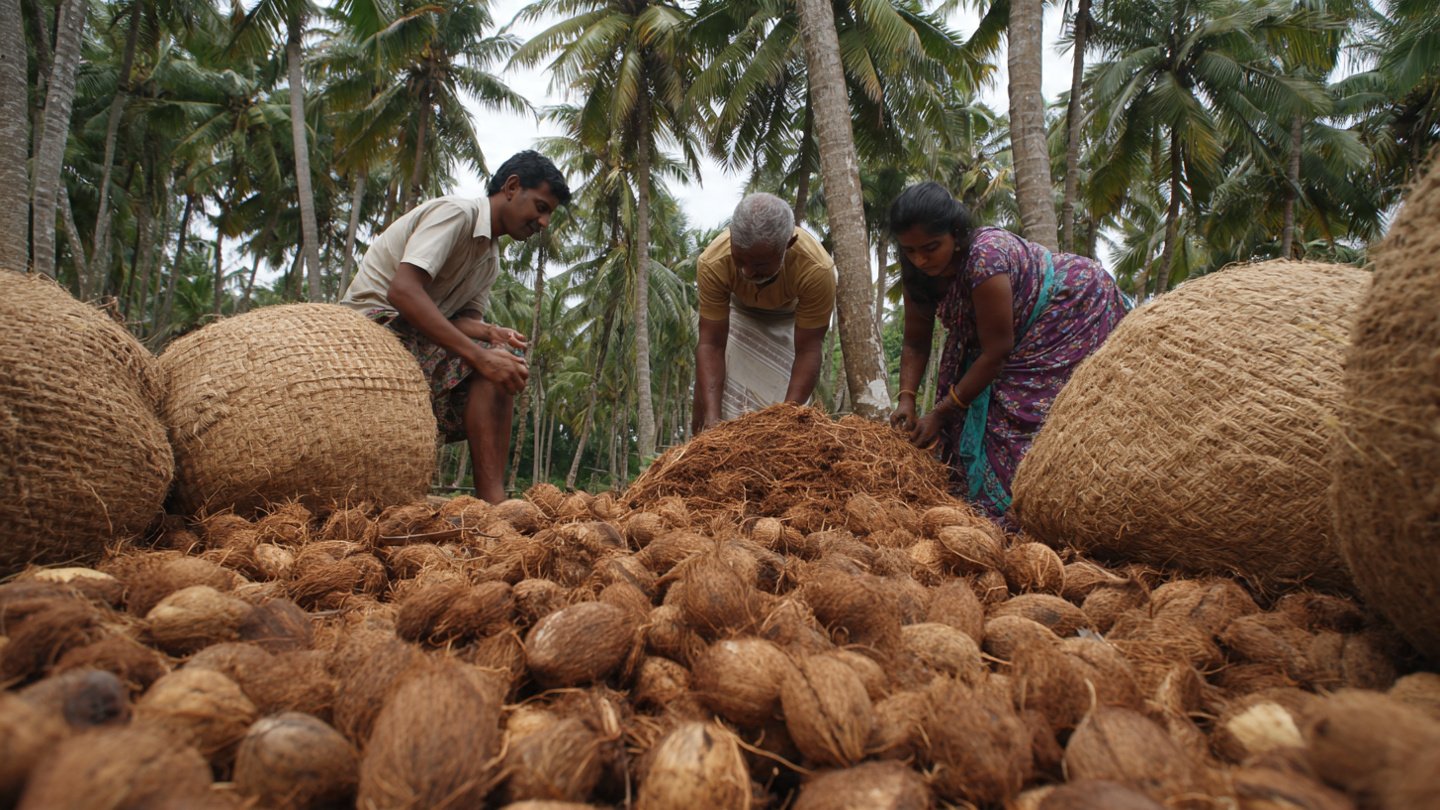
In recent years, there has been a significant shift in gardening and horticultural practices, with many gardeners, landscapers, and agricultural professionals opting for coconut fiber, or coir, as a growing medium instead of traditional soil. This trend is not only a reflection of evolving environmental concerns but also an indication of the benefits that coconut fiber offers over conventional soil. This article delves into the reasons behind this choice, examining the properties of coconut fiber, its environmental sustainability, and its practical applications in various gardening and agricultural scenarios.
Understanding Coconut Fiber
Coconut fiber is derived from the husk of coconuts, making it a natural byproduct of the coconut industry. The production process involves removing the outer husk of the coconut, which is then processed into coarse fibers and a finer material known as coir pith or coir dust. The fibers are durable and resistant to decay, while coir pith is a spongy, water-retentive substance. This unique combination of properties makes coconut fiber a versatile and effective alternative to traditional soil.
Properties of Coconut Fiber
Water Retention: One of the most notable features of coconut fiber is its ability to retain moisture. Coir can absorb large amounts of water—up to 10 times its weight—making it an excellent choice for plants that require consistent moisture levels. This property is particularly beneficial in arid conditions or for gardeners who may not have the time to water plants regularly.
Aeration: Unlike traditional soil, which can become compacted over time, coconut fiber promotes better aeration for plant roots. The fibrous structure creates air pockets that allow for oxygen flow, crucial for healthy root development. Well-aerated roots are less prone to diseases and rot, leading to robust plant growth.
pH Neutral: Coconut fiber typically has a neutral pH, between 5.5 and 6.8, making it suitable for a wide variety of plants. This contrasts with some soils that may be overly acidic or alkaline, which can limit the growth of certain species.
Nutrient Retention: Coconut fiber has a natural ability to retain essential nutrients, such as nitrogen, phosphorus, and potassium, making it an effective medium for container gardening and hydroponics. When mixed with fertilizers, coir can release these nutrients slowly to plants, ensuring a steady supply over time.
Lightweight: Compared to traditional soil, coconut fiber is significantly lighter, making it easier to transport and work with, especially for container gardening. This property is particularly advantageous for urban gardeners who may have limited space.
Environmental Sustainability
As concerns about climate change and environmental degradation continue to grow, many individuals are seeking sustainable alternatives to traditional gardening practices. Coconut fiber stands out as an environmentally friendly choice for several reasons:
1. Renewable Resource
Coconut trees are abundant in tropical regions, and their cultivation supports local economies. The harvesting of coconut husks for fiber is a sustainable process, as it utilizes a waste product of the coconut industry that would otherwise contribute to landfill waste.
2. Biodegradable
Unlike synthetic growing mediums such as peat and rock wool, coconut fiber is biodegradable. This means that it can break down naturally over time, enriching the soil and contributing to the ecosystem rather than adding to landfill pollution.
3. Reduces Peat Use
Peat moss, a traditional growing medium, is harvested from peat bogs, which are crucial ecosystems. Over-harvesting of peat has detrimental effects on biodiversity and carbon storage. By choosing coconut fiber, gardeners help reduce the demand for peat and promote a more sustainable approach to gardening.
4. Carbon Sequestration
Coconut trees play a role in carbon sequestration. By supporting coconut farming and the use of coconut products like coir, gardeners contribute to offsetting carbon emissions, which is vital in combating climate change.
Practical Applications in Gardening and Agriculture
The benefits of coconut fiber have led to its widespread adoption across various gardening and agricultural practices:
1. Container Gardening
Coconut fiber is increasingly used as a growing medium for container gardening. Its lightweight properties, combined with excellent water retention and aeration, create an ideal environment for patio plants, herbs, and vegetables.
2. Hydroponics
In hydroponic systems, coconut fiber serves as a substrate to support plant roots while providing moisture and nutrients. Its ability to hold water and nutrients makes it an excellent option for growers looking to maximize crop yields in water-efficient systems.
3. Landscaping
Coconut fiber can also be used in landscaping as a natural mulch. It helps suppress weeds, retain moisture in the soil, and improve soil structure as it breaks down over time. Its aesthetic appeal adds a natural look to gardens and flower beds.
4. Erosion Control
In environmental restoration projects, coir mats made from coconut fiber are often used for erosion control on slopes and riverbanks. They provide stability and reduce runoff while allowing vegetation to establish roots.
5. Seed Starting
For those starting seeds indoors, coconut fiber offers a sterile, lightweight medium that fosters seed germination. Gardeners appreciate the ease with which seedlings can be transplanted to larger containers when using coir.
Challenges and Considerations
Despite the numerous benefits of coconut fiber, there are some challenges to be aware of:
1. Availability and Cost
While coconut fiber is becoming increasingly popular, its availability may vary by region. Additionally, the initial cost can be higher than traditional soil, although many find the long-term benefits outweigh the investment.
2. Nutrient Content
While coconut fiber retains nutrients well, it may require supplementation with fertilizers, especially during the initial growth stages of plants. This is particularly important for nutrient-hungry plants.
3. Salt Content
Coconut fiber can sometimes contain salt, which may be detrimental to certain plants. It is advisable to wash coir thoroughly or choose pre-washed products to minimize salt concentration.
Conclusion
In conclusion, the shift towards coconut fiber as a growing medium is indicative of a broader trend towards sustainable gardening practices. The unique properties of coconut fiber provide many advantages over traditional soil, including superior water retention, aeration, and environmental sustainability. As awareness of these benefits continues to grow, it’s likely that more gardeners and agricultural professionals will embrace coconut fiber, not just as an alternative to soil, but as a vital part of modern, sustainable horticulture. With ongoing advancements in technology and awareness of environmental concerns, coconut fiber stands poised to play a significant role in the future of gardening and agriculture.