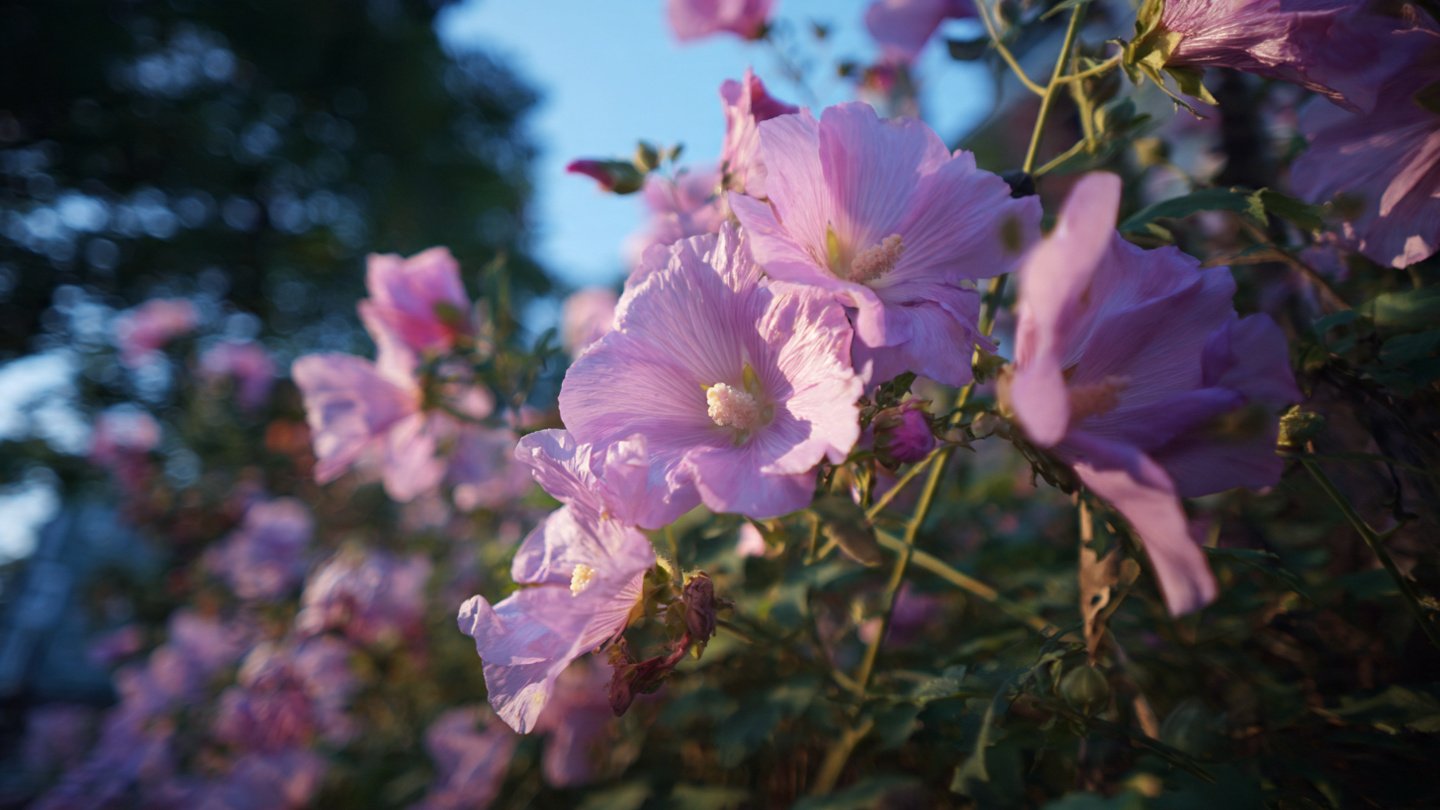
In recent years, a captivating trend has emerged within urban gardening communities: the resurgence of heirloom flowers. Once regarded as relics of a bygone era, these vibrant blooms are increasingly taking center stage in urban landscaping and home gardens. But why are these once-overlooked heirlooms making such a grand comeback? The answer lies in a confluence of ecological, cultural, and aesthetic factors that are reshaping our urban environment.
The Appeal of Heirloom Flowers
Historical Significance
Heirloom flowers carry with them stories of the past. Passed down through generations, these plants often have rich histories tied to specific families or regions. Many of them are remnants of traditional gardening practices, interwoven with local customs and cultural heritage. By cultivating these flowers, urban gardeners reconnect with their roots and pay homage to the traditions that have shaped their communities.
Biodiversity and Resilience
Heirloom flowers often exhibit traits that make them more resilient than their modern counterparts. Typically organic and not subject to the same level of hybridization, these varieties tend to have stronger genetics. They are better adapted to local climates, pests, and diseases, making them a boon for urban gardeners eager to work with nature rather than against it. This increased resilience encourages biodiversity, contributing to healthier urban ecosystems.
Aesthetic Versatility
Visually striking, heirloom flowers offer a diverse palette of colors, shapes, and scents. From the classic blooms of peonies to the intricate designs of heirloom roses, these flowers are celebrated for their unique characteristics that often stand in stark contrast to the more uniform and commercial varieties found in garden centers today. Urban spaces increasingly seek to introduce a variety of textures and visuals, and heirloom flowers fit this narrative perfectly.
Ecological Benefits
Pollinator Attraction
One of the most significant advantages of incorporating heirloom flowers into urban environments is their role in supporting pollinators. Many heirloom varieties are designed to attract bees, butterflies, and other pollinators, which are crucial for maintaining the balance of ecosystems. In a time when pollinator populations are declining, planting heirloom flowers creates safe havens and food sources for these essential species.
Soil Health
Heirloom flowers can also contribute positively to soil health. Many of these plants have deep root systems that help aerate the soil and improve water retention, which is vital in compacted urban settings. Additionally, they can be used in permaculture gardening practices that focus on sustainability and soil regeneration. The presence of diverse root systems helps create a more stable ecosystem within urban soils.
Climate Adaptation
As urban areas grapple with the challenges of climate change, heirloom flowers offer adaptable solutions. These plants are often more drought resistant and can thrive in poorer soil conditions. By cultivating them, urban gardeners are not only beautifying their spaces but also contributing to a broader adaptation strategy in the face of environmental shifts.
Cultural Shifts
The Movement for Sustainability
The contemporary gardening landscape is increasingly shaped by the desire for sustainability. More urban dwellers are looking to minimize their environmental impact, and heirloom flowers align seamlessly with this ethos. Organic cultivation methods and the avoidance of chemical fertilizers and pesticides are inherent in heirloom gardening, appealing to a new generation of eco-conscious consumers.
Community Engagement
Urban gardening has also become a focal point for community engagement. More neighborhoods are organizing events around garden shows, plant swaps, and educational workshops. Heirloom flowers often feature prominently in these gatherings, fostering a sense of community while educating participants about their historical and agricultural significance. The return of these flowers is more than a trend; it is a movement toward local engagement and stewardship.
Connection to Food Systems
Heirloom flowers are often accompanied by heirloom vegetables, linking gardening with food sovereignty. As people grow their own flowers and food, they gain insight into where their nourishment comes from, creating a deeper connection to their environment. This fusion of aesthetics and utility enriches the urban landscape and fosters a holistic view of food and gardening.
Economic Factors
Local Economies
The resurgence of heirloom flowers has revitalized local economies in many urban areas. Small nurseries, local farmers’ markets, and community gardens have embraced the cultivation and sale of these flowers, allowing urban gardeners to support local businesses. As people shift their spending from large chain stores to local merchants, they help foster vibrant, economically resilient communities.
Specialty Floristry
A renewed interest in heirloom flowers has also inspired a niche market within the floristry industry. Specialty florists are increasingly focusing on locally sourced, seasonal, and sustainable floral arrangements, often featuring heirloom varieties. This return to traditional methods not only elevates the artistry of floral design but also resonates with consumers seeking meaningful connections through their purchases.
Personal Connection
Nostalgia and Sentiment
For many people, heirloom flowers evoke a deep sense of nostalgia. They remind individuals of their childhood gardens, family gatherings, and traditions that have been passed down through generations. Urban gardeners often seek to cultivate these flowers not just for their beauty but as a way to connect with memories and loved ones. This emotional investment drives the desire to restore these plants to urban landscapes.
Therapeutic Benefits
Gardening with heirloom flowers can also have significant therapeutic benefits. The act of nurturing plants provides a sense of purpose and fulfillment, often alleviating stress and promoting mental well-being. Heirloom varieties, with their rich aesthetics and historical narratives, can enhance this experience, making gardening not just a hobby but a form of therapy.
Challenges Ahead
Despite the upward trend of heirloom flowers in urban spaces, several challenges remain. Urban gardeners often face obstacles such as limited space, soil quality, and access to resources. Additionally, as these flowers gain popularity, there is a risk of commodification, where the essence of heirloom gardening could be lost in commercial production.
However, these challenges can be addressed through community education, cooperative gardening initiatives, and sustainable practices. By fostering a culture that appreciates the importance of heirloom varieties, urban spaces can work to ensure their preservation and continued relevance.
Conclusion
The revival of heirloom flowers in urban spaces is more than a mere gardening trend; it signifies a profound shift toward ecological mindfulness, cultural engagement, and a deeper connection with nature. As urban dwellers gravitate towards these once-overlooked blooms, they foster biodiversity, support local economies, and cultivate community ties. With their rich histories and vibrant aesthetics, heirloom flowers not only beautify our surroundings but also weave a tapestry of stories that connect present and past, nature and community.
As we look to the future, the quest for sustainable, meaningful gardening practices will undoubtedly continue to evolve. Heirloom flowers stand as a testament to our shared heritage and a crucial component in our journey toward a more harmonious existence within our urban landscapes. By embracing these floral treasures, we can cultivate not only gardens but also a legacy that ensures the beauty and resilience of our urban environments for generations to come.