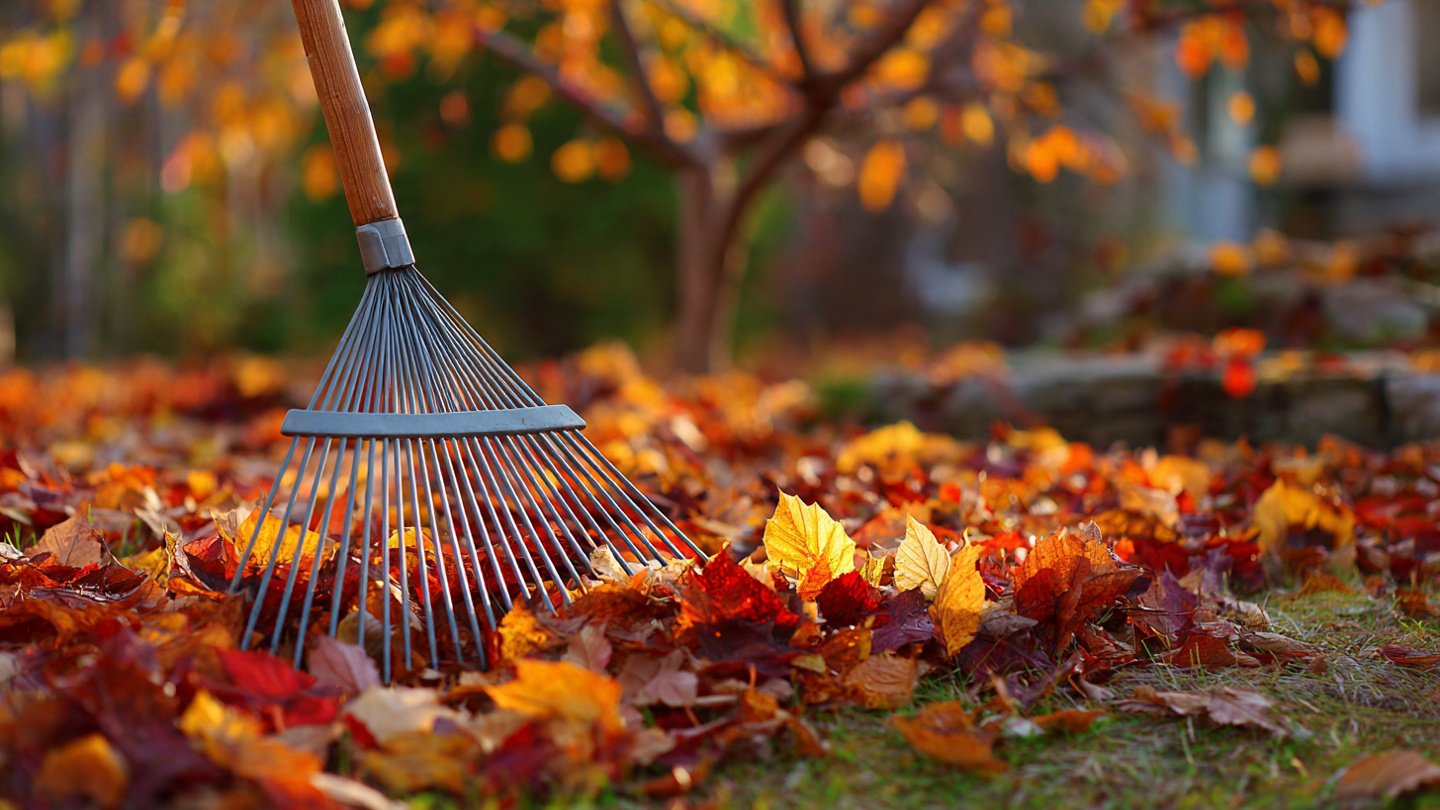
Why Do Experts Advise Against Raking Leaves Under Your Fruit Trees?
As autumn arrives, the vibrant colors of falling leaves can evoke a sense of nostalgia and beauty. However, for gardeners and fruit tree enthusiasts, this seasonal change raises a pressing question: what should be done with the leaves accumulating beneath fruit trees? While the instinct may be to rake them away for aesthetic appeal or to prevent pests, many experts actually advise against this practice. Here are several reasons why raking leaves under fruit trees may not be a wise choice and how natural forest principles can guide your decision-making.
The Role of Leaves in Ecosystem Health
One of the primary reasons experts advise against raking leaves is due to the critical role that fallen leaves play in the ecosystem. Leaves serve several essential functions in the soil and the overall health of the tree:
Nutrient Cycling: When leaves decompose, they release essential nutrients back into the soil, enriching it. This process supports the tree’s growth and fruit production in the following seasons. Raking these leaves away interrupts this natural cycle, potentially leading to nutrient deficiencies.
Soil Structure Improvement: Decomposed leaves add organic matter to the soil, improving its structure. Good soil structure enhances drainage, aeration, and the soil’s ability to retain moisture. All of these factors are crucial for healthy root systems and overall tree vitality.
Ecosystem Habitat: Leaves provide habitat for various beneficial organisms such as earthworms, fungi, and insects. These organisms are vital for maintaining a healthy soil ecosystem and contribute to the breakdown of organic materials. By removing leaves, you disrupt this delicate balance and risk harming beneficial populations.
Protection Against Soil Erosion and Compaction
Leaves serve as a natural barrier that protects the soil from erosion and compaction. Rainwater hitting naked soil can cause compaction and wash away vital topsoil, leading to a less hospitable environment for fruit trees. Here’s how leaves mitigate these risks:
Erosion Control: A layer of leaves can help absorb the impact of raindrops, reducing surface erosion. When soil erodes, the nutrients and structure that support plant life go with it. A leaf cover acts as a protective layer that keeps soil in place.
Moisture Retention: Leaves also help retain moisture in the soil, which is especially beneficial during dry seasons. They create a microclimate that regulates temperature and moisture levels, allowing the soil to stay damp longer, which is optimal for root systems.
Fostering Beneficial Fungi and Soil Microorganisms
Another significant benefit of leaving leaves in place is the fostering of mycorrhizal fungi and soil microorganisms. These organisms form symbiotic relationships with fruit trees:
Enhanced Nutrient Uptake: Mycorrhizal fungi help trees absorb nutrients and water from the soil more effectively. This symbiotic relationship is particularly beneficial for fruit trees, as it enhances their ability to uptake phosphorus, which is vital for flower and fruit production.
Disease Resistance: Healthy soil ecosystems, bolstered by organic matter from decomposing leaves, can lead to improved resistance against soil-borne diseases. A thriving community of beneficial microorganisms can outcompete pathogens, ensuring the tree’s health.
Actual Pests or Fear of Pests?
One common concern leading to the raking of leaves is the potential for pests to thrive in leaf litter. While it’s true that some pests may take refuge in fallen leaves, the reality is more complex:
Predatory Species: Many beneficial insects, including predatory species that control common pests like aphids and spider mites, may also find refuge in leaf litter. Raking leaves can eliminate these beneficial populations, creating an environment that favors pest outbreaks.
Natural Predator Habitats: Leaving leaves provides habitats for predatory insects that feed on harmful pests. A diverse insect population can help keep harmful pests in check naturally, eliminating the need for chemical controls.
Disease Prevention Concerns
While raking leaves is often perceived as a clean-up method to prevent diseases, experts argue that it can actually do more harm than good:
Soil Disruption: Raking can disturb the soil, leading to compaction and disrupting the mycorrhizal networks. This disruption can stress trees, making them more vulnerable to diseases.
Leaf Pile Removal and Disposal: When leaves are not appropriately dealt with, they can harbor pathogens and fungal spores. Instead of raking them away, experts recommend mulching or composting leaves properly to kill pathogens while keeping nutrients accessible to the tree.
Increasing Sustainability and Biodiversity
Using natural leaf litter as a mulch promotes sustainability. The practice reflects ecological principles that focus on optimizing resource use without environmental harm. Here’s how it contributes to a more sustainable landscape:
Reduced Waste: Raking and disposing of leaves often involves a carbon footprint associated with transport and disposal. By leaving leaves, you minimize waste and contribute positively to the environment.
Biodiversity Encouragement: When you let leaves decompose under fruit trees, you create an environment that encourages a rich diversity of life, from soil organisms to beneficial insects. This biodiversity is vital for a resilient ecosystem that can withstand pest and disease pressures.
Practical Alternatives to Raking
If you’re still concerned about aesthetics or the potential risks posed by leaves, there are constructive alternatives to consider:
Chop and Drop: Instead of raking, consider using a mulch mower to chop leaves into smaller pieces. This process speeds up decomposition while providing a nutrient-rich mulch for your soil.
Layering: If the amount of leaves seems excessive, consider layering them. Create a woodchip or grass clippings layer above the leaves to balance aesthetics while still providing the beneficial covering for the soil.
Composting: Collect excess leaves and create a compost pile. Composting provides a controlled environment that helps leaves break down safely and creates nutrient-rich compost you can use around your garden, including under fruit trees.
Conclusion
Raking leaves under fruit trees is not merely a matter of aesthetics; it can profoundly affect the health and productivity of the trees. By understanding the role leaves play in ecosystem health, preventing soil erosion and compaction, and promoting beneficial fungi and microorganisms, gardeners can see the value in allowing leaves to remain in place.
Ultimately, the decision should focus on promoting sustainability and enhancing plant health, aligning with natural principles found in healthy ecosystems. By embracing the benefits of leaf litter, fruit tree caretakers will cultivate a thriving environment, ensuring bountiful harvests and robust tree health for years to come.