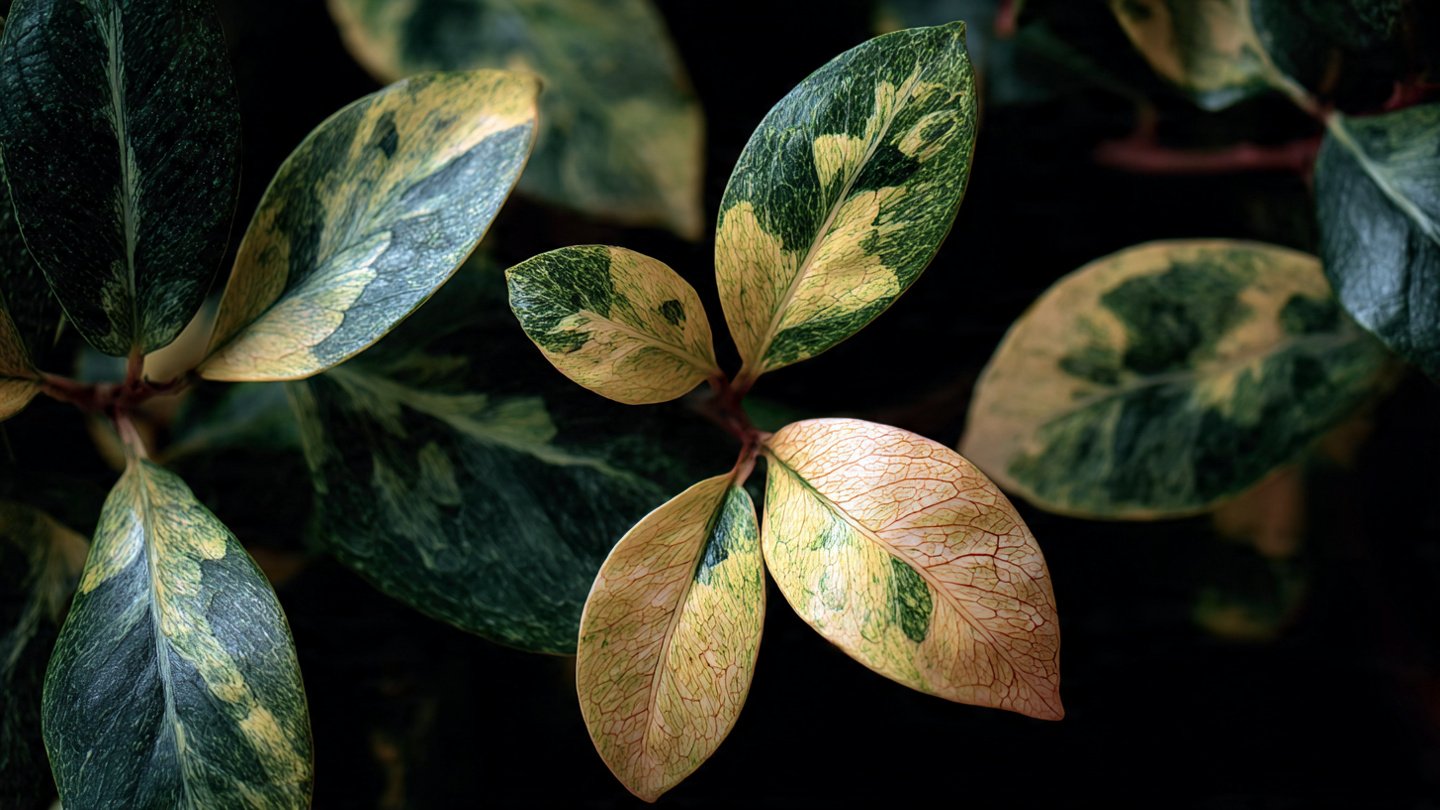
Plants are remarkable organisms that adapt to their environments in various ways. One of the fascinating adaptations is found in variegated leaves, which showcase a unique blend of green and other colors, such as white, yellow, or cream. This appearance is a result of genetic mutations, influencing chlorophyll production and, consequently, photosynthesis. However, many plant enthusiasts often wonder: why do these variegated leaves crave more light than their fully green counterparts?
The Science Behind Variegation
Variegated leaves contain less chlorophyll, the green pigment crucial for photosynthesis. Chlorophyll plays an essential role in transforming sunlight into energy. As a result, plants with variegated leaves often have a diminished capacity to convert light into energy compared to those with solid green leaves.
- Less Chlorophyll: Variegation typically results from sections of the leaf lacking chlorophyll. This means that these areas cannot effectively photosynthesize.
- Energy Starvation: To compensate for the lower photosynthetic efficiency, variegated plants require more light to generate sufficient energy for growth and survival.
Why More Light is Needed
The key reason variegated leaves need more light lies in the fact that they struggle to produce energy efficiently. Here are several aspects that elucidate this dependence:
- Adaptive Mechanism: Variegated plants have adapted to absorb as much light as possible in their specific environments, leading to a higher demand for light sources.
- Photosynthesis Efficiency: Enhanced light exposure allows these plants to maximize their limited photosynthetic capacity, enabling them to fulfill energy requirements for growth and health.
- Growth Competition: In nature, plants often compete with surrounding flora for access to sunlight. Variegated leaves need to be more aggressive in seeking light to thrive amidst competition.
Light Intensity and Quality
The intensity and quality of light also play a significant role in the health of variegated plants. By understanding the specifics, plant parents can better meet their plant’s needs:
- Full Spectrum Light: Variegated plants may benefit from full-spectrum lights that replicate natural sunlight, assisting in efficient photosynthesis.
- Indirect Sunlight: A balance of light is crucial; while more light is beneficial, too much direct sunlight can scorch the delicate variegated areas.
- Adjustment Period: When introducing a variegated plant to a brighter location, a gradual acclimatization process helps prevent shock and potential damage to the leaves.
Common Variegated Plants
Numerous popular houseplants and outdoor flora exhibit variegation. Each has unique requirements regarding light exposure. Here are a few examples:
- Dracaena Compacta: This houseplant thrives with bright, indirect light but can suffer if left in low-light conditions.
- Variegated Snake Plant (Sansevieria): While hardy, it will grow more robustly and vibrantly when placed in well-lit areas.
- Variegated Monstera: Known for its stunningly large leaves, this plant requires ample indirect sunlight to maintain its variegation.
Care Tips for Variegated Plants
To promote optimal health for variegated plants, consider the following care tips:
- Monitor Light Exposure: Regularly assess the light in your plant’s environment, ensuring it receives enough without becoming overwhelmed.
- Rotate Your Plants: Rotating them periodically ensures all parts receive equal light exposure, encouraging balanced growth.
- Use Quality Soil: A nutrient-rich, well-draining soil mix supports overall plant health and does wonders for their energy capacity.
Challenges Faced by Variegated Plants
Despite their beauty and uniqueness, variegated plants face several challenges:
- Stunted Growth: Inadequate light can lead to stunted growth and poor health.
- Loss of Variegation: Insufficient light may result in plants reverting to solid green leaves over time in a bid to boost photosynthesis.
- Pest Susceptibility: A lack of energy makes these plants more susceptible to pests and diseases, as their immune systems may weaken.
Conclusion
FAQs
1. Do all variegated plants need more light?
While most variegated plants benefit from more light due to their reduced chlorophyll content, some may have specific requirements. It’s essential to understand the needs of each plant individually.
2. Can variegated plants survive in low light?
Variegated plants can survive in low light, but their growth may slow, and they risk losing their variegation over time. Optimal light conditions are recommended for maintaining their distinctive appearance.
3. What is the best type of light for variegated plants?
Full-spectrum grow lights or bright, indirect sunlight typically provide the best conditions for variegated plants, enhancing their photosynthesis without causing damage.
4. How can I encourage my variegated plants to retain their color?
To maintain the vibrant colors of variegated plants, ensure they receive adequate light, proper nutrients, and avoid overcrowding, which can lead to stunted growth.
5. How often should I water variegated plants?
Watering requirements can vary among species, but a general rule is to water once the top inch of soil feels dry. Overwatering can lead to root rot, especially in variegated plants.