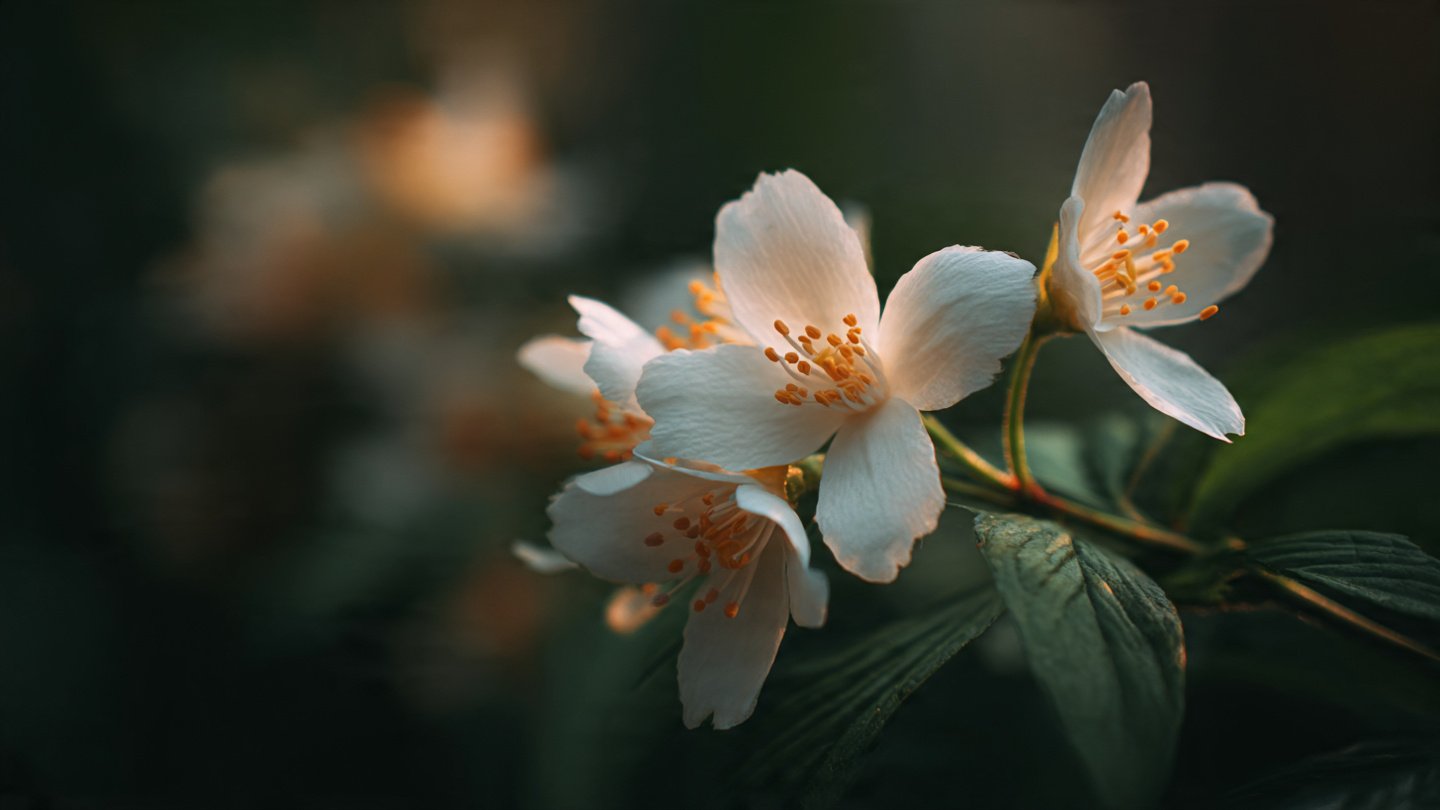
Jasmine, a genus of flowering plants in the olive family, is widely known for its enchanting fragrance. The sweet scent of jasmine has graced gardens and homes for centuries, often associated with love and romance. However, one fascinating aspect of jasmine is its tendency to release its intoxicating fragrance primarily after sunset. This article delves into the reasons behind this fragrant phenomenon, exploring the ecological and evolutionary significance of this nocturnal scent release.
The Mystery of Jasmine’s Nocturnal Blooms
To understand why jasmine blooms its fragrance at night, we need to explore how these plants interact with their environment. Jasmine species, particularly Jasminum officinale, are often adapted to specific ecological niches where their unique fragrance plays a crucial role. The primary function of fragrance in jasmine, like in many other flowering plants, is to attract pollinators.
Many nocturnal pollinators, such as moths, are more active at night. As the sun sets, jasmine flowers begin to open up, releasing their sweet scent to attract these creatures. By concentrating its scent release during nighttime, jasmine increases the likelihood of successful pollination.
Pollinator Attraction Strategies
The timing of jasmine’s fragrance release is a strategic evolutionary adaptation. The majority of pollinators are opportunistic, so by releasing its scent at night, jasmine can stand out in the darkness. The sweet aroma serves as a beacon, guiding moths and other nocturnal insects towards the flowers.
Research has shown that some species of moths are particularly attracted to the scent compounds released by jasmine. These compounds, primarily indole and benzyl acetate, are not only captivating but also perform a significant role in moth navigation. The release of jasmine’s fragrance after sunset gives these pollinators a distinct signal that leads them directly to the flowers.
Ecological Benefits of Nocturnal Fragrance
Beyond attracting pollinators, the nocturnal fragrance release poses various ecological benefits. By flowering and releasing fragrance at night, jasmine plants can reduce competition with daytime-blooming flowers. This minimizes the overlap of scents—offering a strategy for successful pollination.
Moreover, the cooler nighttime temperatures may assist in preservation of the volatile compounds primarily responsible for fragrant release. During the day, high temperatures can cause rapid evaporation of these essential oils, diluting the scent and reducing pollination efficiency.
Cultural Significance of Jasmine
Jasmine’s enchanting fragrance has not only ecological importance but also deep cultural significance in many parts of the world. In numerous cultures, jasmine is a symbol of love, purity, and sensuality, often utilized in religious ceremonies, weddings, and celebrations.
Moreover, the sweet scent of jasmine often induces feelings of relaxation and peace. Aromatherapy practitioners harness the power of jasmine essential oil for its calming effects, utilizing it in perfumes, candles, and essential oil blends.
The Role of Environmental Factors
The release of jasmine’s fragrance is also influenced by environmental factors such as temperature, humidity, and light intensity. Research has indicated that the ideal conditions for scent release occur during the cooler nights with high humidity. This creates an optimal environment for the scent molecules to travel efficiently through the air.
Additionally, light intensity plays a role in regulating the blooming cycle itself. Jasmine plants often have circadian rhythms that regulate their flowering and fragrance release. These rhythms are adapted to the natural light and dark cycles of their environment, further optimizing their pollination strategies.
Climate Change Impact
As we discuss the fragrance of jasmine, it’s essential to consider the impact of climate change on these plants. Altered weather patterns can influence the timing and intensity of scent release. Changes in temperature and humidity levels may affect the blooming cycles and, consequently, the interaction with nocturnal pollinators.
With rising global temperatures, the life cycle of jasmine and its pollinators might face disruptions, leading to potential declines in pollination success. This alarming trend emphasizes the importance of understanding and preserving the delicate balance within ecosystems and the vital role of fragrant plants like jasmine.
Conclusion
The sweet fragrance of jasmine, released predominantly at night, serves as a fascinating example of nature’s intricacies. This nocturnal aroma not only reflects an evolutionary adaptation to attract specific pollinators but also embodies a broader ecological strategy that allows jasmine plants to thrive in competitive environments. Understanding the reasons behind jasmine’s fragrant release enriches our appreciation of this beautiful plant, illustrating the complex relationships between flora and fauna.
As we continue to explore the effects of climate change, it becomes increasingly crucial to protect these fragile ecosystems. By conserving jasmine and the pollinators that rely on its scent, we safeguard not only the beauty of our natural world but also the rich cultural heritage that these plants represent.
FAQs
1. Why does jasmine smell better at night?
Jasmine releases its fragrance at night primarily to attract nocturnal pollinators like moths, which are more active during this time.
2. What compounds make jasmine smell so sweet?
The sweet scent of jasmine is mainly attributed to compounds such as indole, benzyl acetate, and linalool.
3. Can jasmine’s fragrance help in relaxation?
Yes, jasmine essential oil is often used in aromatherapy to promote relaxation and relieve stress.
4. How does temperature affect jasmine’s fragrance?
Cooler temperatures, particularly at night, help preserve the volatile scent compounds, enhancing the jasmine’s fragrance.
5. Is jasmine scent influenced by environmental changes?
Yes, climate change can impact the blooming cycles of jasmine and its fragrance release, potentially disrupting interactions with pollinators.