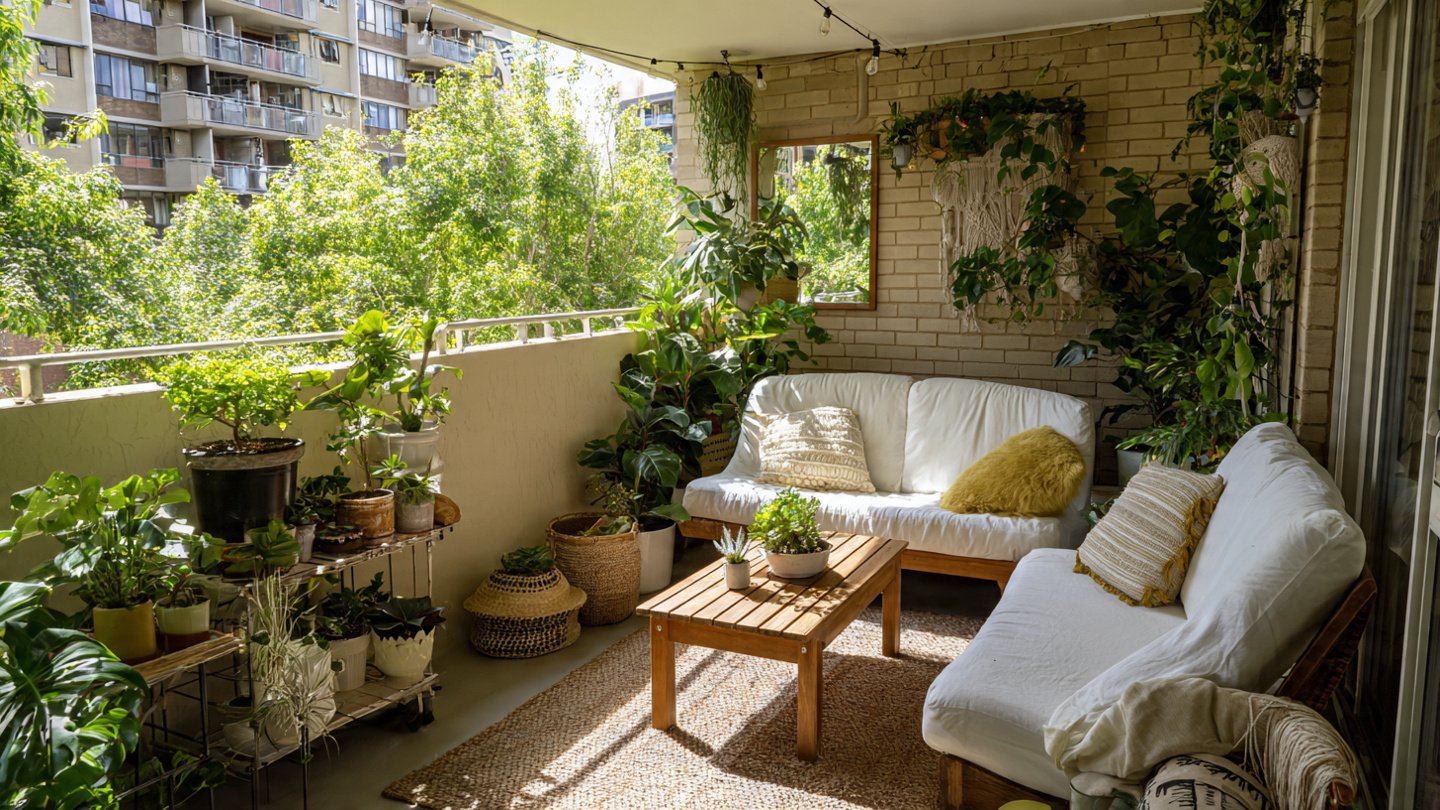
In recent years, there has been a significant shift in gardening and horticultural practices toward more sustainable and eco-friendly solutions. One of the most notable trends is the growing popularity of coconut fiber as an alternative to peat moss. This article will explore why coconut fiber has become the preferred choice for many gardeners and horticulturists, examining its environmental benefits, practical uses, and advantages over peat moss.
1. Understanding Peat Moss
Peat moss has been a staple in gardening for decades. Harvested from peat bogs, this material is a type of decomposed plant matter that retains moisture and improves soil aeration. Its benefits are well documented, and it has been widely employed in potting mixes, soil amendments, and various gardening applications. However, the extraction process of peat moss raises several environmental concerns.
Environmental Concerns
Biodiversity Loss: Peat bogs are unique ecosystems that support a wide array of flora and fauna. Harvesting peat moss disrupts these habitats, leading to biodiversity loss.
Carbon Emissions: Peatlands act as carbon sinks, sequestering vast amounts of carbon dioxide. The extraction of peat not only releases this stored carbon but also reduces the planet’s capacity to absorb future carbon emissions.
Sustainability Issues: Peat bog formation takes thousands of years, meaning that peat moss is a non-renewable resource. Its use is not sustainable in the long term, as we are depleting these ecosystems faster than they can regenerate.
2. What is Coconut Fiber?
Coconut fiber, also known as coir, is derived from the outer husk of coconuts. This material is abundant in tropical regions, where coconuts are harvested for their water and flesh. Coir is often processed into various forms, including coarse fibers for ropes and mats, and finer fibers used in potting mixes and soil amendments.
How Coconut Fiber is Harvested
The extraction of coconut fiber is a byproduct of the coconut industry. When coconuts are harvested for consumption, the husk is typically discarded or underutilized. By processing this waste material into coir, we can create a valuable product while simultaneously reducing waste. This process is significantly more sustainable than peat moss extraction.
3. Environmental Benefits of Coconut Fiber
Sustainable Harvesting
One of the primary reasons gardeners are choosing coconut fiber over peat moss is sustainability. Unlike peat, coir is a renewable resource. The harvesting of coconut husks does not deplete the environment, as coconuts are grown in abundance and the fibers can be extracted without harming the trees.
Reduced Carbon Footprint
Using coconut fiber helps to lower the carbon footprint associated with gardening. The process of harvesting and processing coir has a much lower impact on carbon emissions compared to peat extraction. Furthermore, as a byproduct of coconut production, its use contributes to a more circular economy.
Promoting Biodiversity
Since coconut farming can be integrated into diverse agricultural systems, coir supports biodiversity. While peat bogs are monocultures, coconuts can be grown alongside other crops, promoting a healthy ecosystem.
4. Practical Uses of Coconut Fiber in Gardening
The versatility of coconut fiber makes it a fantastic resource for various gardening needs.
Potting Mixes
Coconut fiber is often used as a component of potting mixes. Its excellent moisture retention properties help maintain consistent soil moisture levels, reducing the need for frequent watering. This property is particularly beneficial in regions with varying weather patterns.
Soil Amendment
In addition to potting mixes, coir can be mixed into garden soil to improve aeration and drainage. It can enhance the structure of heavy, compacted soils, creating an ideal growing environment for plants.
Seed Starting
Coconut fiber’s lightweight nature makes it ideal for seed starting. Its fine texture allows for proper seed germination while providing the necessary nutrients for young plants.
Hydroponic Systems
Coir is increasingly being used in hydroponic setups. Its ability to retain moisture while providing adequate drainage makes it an excellent growing medium for hydroponic crops.
5. Advantages of Coconut Fiber Over Peat Moss
While peat moss has been a long-standing favorite in horticulture, coconut fiber offers several advantages that are drawing gardeners to make the switch.
Enhanced Moisture Management
Coconut fiber holds moisture better than peat moss. This characteristic can lead to less frequent watering, saving both time and resources. Reducing the frequency of irrigation is beneficial not just for the gardener but also for conserving water.
Nutrient Content
Coir has a natural ability to hold nutrients, which can be released to plants at a steady rate. This property is especially valuable for young plants and seedlings, providing them with the nutrients they need for optimal growth.
pH Neutral
Unlike peat moss, which can be acidic, coconut fiber is typically pH neutral. This property makes it more conducive to growing a diverse range of plants, especially those sensitive to soil pH.
Lightweight and Easy to Handle
Coconut fiber is lighter than peat moss, which can make handling and transporting it easier. This is particularly advantageous for gardeners who may have physical limitations or those engaged in larger landscaping projects.
6. The Economic Aspect
The economic implications of choosing coconut fiber over peat moss are also worth considering. While coconut fiber may be slightly more expensive per unit, the long-term benefits often outweigh the initial costs. Its reusable properties and longer shelf life mean that gardeners may require fewer inputs over time. Additionally, the rising demand for eco-friendly products is likely to keep prices competitive as more companies enter the market.
7. Challenges and Considerations
While the benefits of coconut fiber are compelling, there are a few challenges and considerations to keep in mind.
Availability and Quality Variability
The quality of coconut fiber can vary widely, depending on how it’s processed and sourced. It’s important for gardeners to procure coir from reputable suppliers to ensure they receive a high-quality product.
Salt Content
Some coconut fibers have a higher salt content, which can be detrimental to certain plants. It’s crucial to rinse coir thoroughly before use, especially for seedlings, to reduce the risk of salt damage.
Transition Period
For gardeners accustomed to using peat moss, transitioning to coconut fiber may require an adjustment period. The watering and nutrient needs could differ as the gardener learns how plants respond to the new medium.
8. The Future of Gardening
As environmental awareness continues to grow, the gardening community is likely to see an increasing shift toward sustainable practices and materials. Coconut fiber exemplifies this movement, offering a solution that benefits both the gardener and the planet. Its versatility, sustainability, and environmental advantages make it a formidable competitor to peat moss.
Growing Support for Eco-Friendly Practices
Various gardening organizations, environmental groups, and commercial agricultural sectors are advocating for the use of sustainable materials like coconut fiber. This broadening support is likely to contribute to mainstream acceptance and usage.
Conclusion
The shift from peat moss to coconut fiber represents a significant step toward more sustainable horticultural practices. With its numerous environmental benefits, practical applications, and advantages over traditional materials, coconut fiber is not just a trend; it’s a testament to how gardening can evolve in harmony with the planet. As more gardeners make informed choices, the future of gardening looks both greener and more sustainable. By choosing coconut fiber, we are not only nurturing our plants but also contributing positively to the environment and global ecology.
In embracing coconut fiber, we highlight the necessity for sustainable practices that do not compromise the health of our planet while still producing the flourishing gardens we cherish. As this revolution in gardening continues to unfold, it holds promise not just for individual gardeners but for the planet as a whole. With every handful of coir we use, we are taking a step toward a more responsible and eco-friendly gardening future.