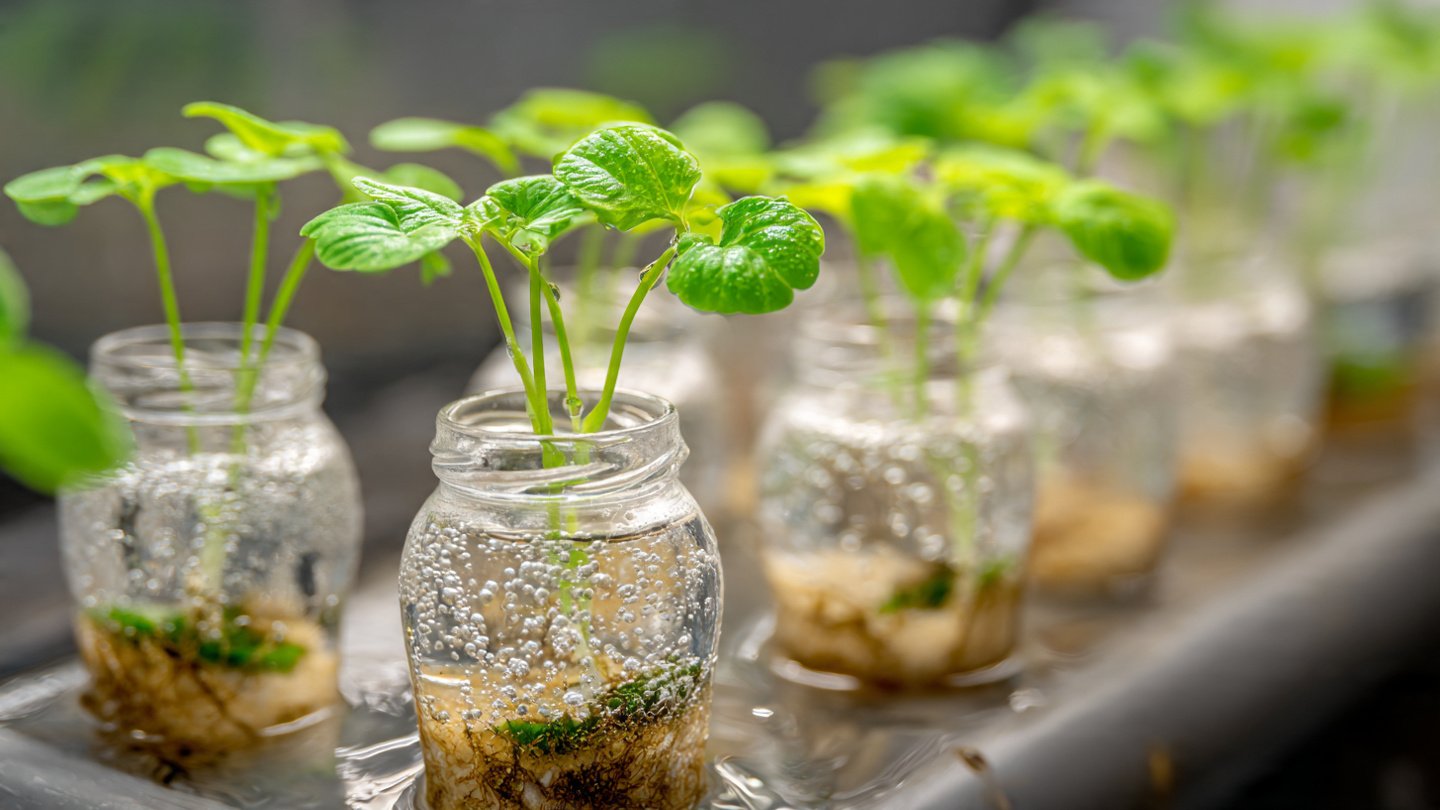
As more garden enthusiasts and home growers turn to seed starting as a means to cultivate their green thumbs, attention to the quality of the water used is often overlooked. Many assume that tap water is harmless and universally applicable for all types of plants. This assumption can be misleading, particularly for delicate seedlings that are sensitive to their environment. This article will delve into the reasons why using tap water can be harmful, ultimately guiding you towards alternatives that promote healthy plant growth.
Understanding Seedling Sensitivity
Seedlings are the young and vulnerable stages of plants, characterized by their tender leaves and developing root systems. At this stage, seedlings are highly susceptible to environmental stresses, disease, and nutrient availability. Their delicate physiology makes them particularly reactive to the composition of the water they absorb. Water quality can significantly affect seedling health, growth rates, and overall vigor.
Composition of Tap Water
Tap water is treated and chlorinated to make it safe for human consumption. However, this process introduces various substances that may not be suitable for plants, especially seedlings. The following factors related to tap water can compromise seedling health:
- Chlorine and Chloramine: These chemicals are added to tap water to kill pathogens, but they can also be detrimental to seedlings. Chlorine can cause leaf burn and root shock, while chloramine is even more persistent in water and harder to remove.
- Hardness: Tap water often contains high levels of calcium and magnesium, known as hardness. While some plants tolerate these minerals, others may suffer from nutritional imbalances and impaired root development.
- Fluoride: Present in many municipal water supplies, fluoride can be toxic to certain plants, inhibiting growth and causing other physiological issues.
- pH Levels: The pH of tap water can vary significantly based on geographical location and treatment processes. An unsuitable pH can interfere with nutrient uptake, affecting seedling development.
Potential Effects on Seedlings
Given the challenges presented by the components of tap water, seedlings may exhibit various adverse reactions, including:
- Root Damage: Exposure to chlorine and chloramine can lead to root burn, resulting in stunted growth or even death.
- Leaf Burn: High levels of chlorine can cause leaf edges to brown, inhibiting photosynthesis.
- Stunted Growth: Excessively hard water can create nutrient imbalances, leading to slow growth and poor development.
- Increased Susceptibility to Disease: Weak seedlings are generally more vulnerable to diseases and pests, compromising your entire gardening effort.
Alternative Water Sources
If tap water is not the ideal choice for your seedlings, what alternatives are more beneficial? Here are some options to consider:
- Rainwater: One of the best alternatives, rainwater is naturally soft and free from harmful chemicals like chlorine and fluoride. Collecting and using rainwater can greatly improve seedling health.
- Distilled Water: Distillation removes most impurities, resulting in pure water that won’t harm your seedlings. However, it lacks beneficial minerals, so it’s best used in conjunction with nutrient solutions.
- Filtered Water: Using a good quality water filter can help remove chlorine, chloramine, and other particulates, resulting in cleaner water suitable for seedlings.
- Well Water: If you have access to a private well, testing the water for contaminants can provide a suitable alternative. However, be cautious of high mineral content.
Steps to Mitigate Tap Water’s Effects
If you must use tap water, there are ways to mitigate its potential harmful effects. Here are suggestions to consider:
- Aging Your Water: Allow tap water to sit in an open container for at least 24 hours. This practice lets chlorine dissipate, making the water less harmful.
- Using a Water Conditioner: Several products are available that can neutralize chlorine and chloramine, making tap water safer for use.
- Testing Water Quality: Regularly testing your tap water for pH, chlorine, and mineral content can help you make informed decisions on water usage.
Conclusion
Using tap water may seem harmless; however, the reality is that it poses several risks to your delicate seedlings. The presence of chlorine, chloramine, and other minerals can lead to significant physiological issues, stunted growth, and increased susceptibility to diseases. By understanding the characteristics of tap water and exploring alternatives such as rainwater, distilled water, or filtered water, you can ensure your seedlings receive the best start possible. For sustainable gardening success, prioritize the quality of water used in your growing practices.
FAQs
1. Can I use tap water for all types of plants?
While some plants may tolerate tap water, many sensitive species can experience adverse effects. It’s best to research the specific needs of your plants.
2. How can I test the quality of my tap water?
You can purchase water testing kits from garden centers or online. These kits typically measure pH, hardness, chlorine, and other contaminants.
3. Is rainwater collection legal everywhere?
Yes, rainwater collection is generally legal, but regulations may vary by state or municipality. Always check local laws before collecting rainwater.
4. Does boiling tap water make it safer for seedlings?
Boiling tap water can remove some chlorine but does not eliminate other minerals or contaminants. It’s not a definitive solution for improving water quality.
5. Should I use fertilizer with distilled water?
Yes, since distilled water lacks nutrients, it’s advisable to use a moderate fertilizer solution to ensure seedlings receive the necessary nutrients.