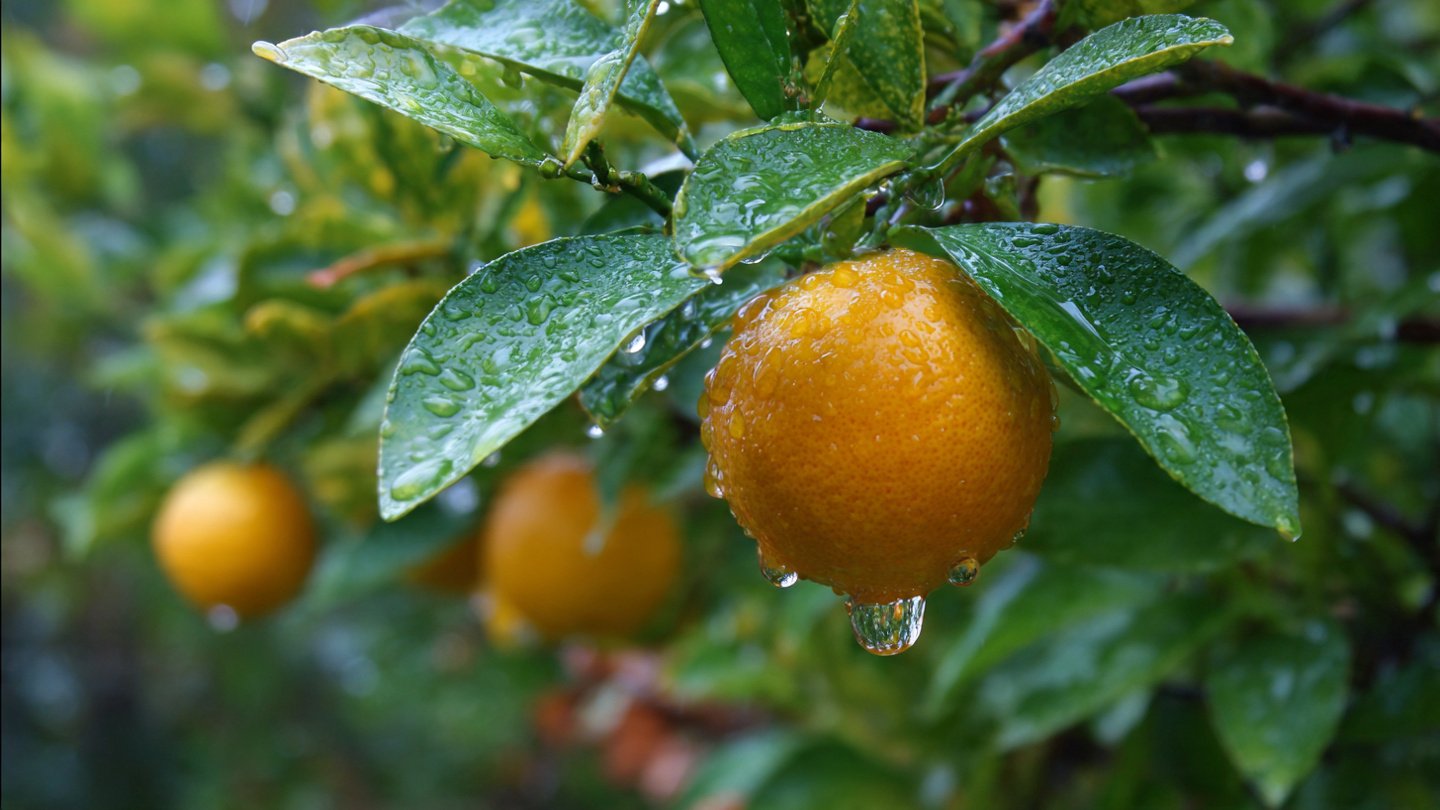
Citrus trees, such as oranges, lemons, and limes, are a popular choice for home gardeners due to their fragrant blossoms and succulent fruits. However, one common issue that can perplex even the most experienced gardeners is the premature dropping of fruit. This phenomenon can be frustrating, particularly when you’ve invested time and effort into nurturing your trees. In this comprehensive guide, we will explore the various factors that can lead to early fruit drop in citrus trees, their symptoms, possible causes, and preventive measures you can take to ensure a bountiful harvest.
Understanding the Phenomenon
Fruit drop in citrus trees can manifest as the fruit falling off before it reaches maturity. This can happen at various stages of fruit development, often leaving gardeners bewildered and disheartened. While some fruit drop is a natural occurrence—trees often shed excess fruit to compensate for limited resources—excessive or premature dropping can indicate underlying issues that require attention.
Signs of Premature Fruit Drop
Identifying the signs of premature fruit drop can help you diagnose potential issues sooner. Look out for:
- Fallen fruit: These can be found on the ground beneath the tree, often in varying stages of development.
- Size: Fruits may appear small for their age, which can indicate nutritional deficiencies or water stress.
- Color: Unripe fruit that is dropping may also show abnormal color changes.
- Foliage condition: Yellowing leaves or leaf drop can indicate that your citrus tree is under stress.
Common Causes of Early Fruit Drop
Several factors can contribute to early fruit drop in citrus trees. Understanding these causes can help you make the necessary adjustments to improve your tree’s health and fruit production.
1. Environmental Stress
Citrus trees are sensitive to environmental conditions. Stressors such as temperature fluctuations, wind, and excessive rainfall can impact their health and fruit production.
Temperature Extremes: Citrus trees thrive in warm, stable temperatures. Sudden drops in temperature can shock the tree, leading to early fruit drop. Conversely, consistently high temperatures can cause similar stress.
Wind Damage: Strong winds can physically damage branches and young fruit, leading to premature dropping. Mulching and windbreaks can offer some protection.
Heavy Rainfall or Drought: Citrus trees need a consistent watering schedule. Insufficient rainfall or prolonged drought conditions can result in stress. Conversely, overwatering can lead to root rot, further exacerbating the problem.
2. Nutritional Deficiencies
Citrus trees have specific nutritional requirements to produce healthy fruit. Deficiencies can lead to various issues, including premature fruit drop.
Nitrogen: Essential for growth and development. Too little nitrogen can stunt tree growth, leading to smaller fruit production.
Potassium: Vital for fruit development, potassium deficiencies can lead to weak fruit that is more susceptible to dropping prematurely.
Magnesium: Essential for chlorophyll production, low magnesium levels can cause leaves to yellow, indirectly affecting the tree’s overall health and fruit retention.
3. Watering Practices
Proper watering is critical for citrus trees. Both under-watering and over-watering can lead to stress.
Under-watering: Lack of moisture leads to stress, which may cause the tree to drop fruits prematurely to conserve resources.
Over-watering: This can saturate the roots, leading to root rot and poor nutrient uptake, eventually resulting in fruit drop.
4. Pest and Disease Issues
Pests and diseases can have significant effects on the wellbeing of citrus trees, resulting in fruit drop.
Pests: Aphids, spider mites, and scale can damage leaves and fruit, hindering the tree’s ability to support its crop. Look for signs of infestation like visible insects, webbing, or sticky residue.
Diseases: Fungal infections like root rot or bacterial infections can severely weaken trees. Symptoms might include wilting leaves, discolored branches, or a general decline in tree health, leading to premature fruit drop.
5. Pollination Issues
Citrus trees are usually self-pollinating, but inadequate pollination can lead to poor fruit set and early drop.
Insufficient Pollinators: Insufficient activity from pollinators like bees can hamper fruit formation. Planting flowers nearby that attract pollinators can help improve pollination rates.
Environmental Conditions: Weather conditions during the bloom season, such as rain or chilly temperatures, can also impact pollination efficacy.
6. Fruit Load Management
When a citrus tree bears an excessive amount of fruit, it can become overwhelmed, causing premature drop.
- Overbearing: Trees may drop fruit to survive when they cannot support the weight of all their fruit. Managing the fruit load by thinning during early stages can ensure that the tree is capable of developing the remaining fruits to maturity.
How to Mitigate Fruit Drop
Addressing early fruit drop requires a holistic approach.
1. Watering Techniques
- Implement a consistent and moderate watering schedule. Deep watering encourages strong root development and helps mitigate stress. Ensure that the soil drains well to avoid root rot.
2. Soil Health
- Conduct a soil test to determine any nutritional deficiencies. Depending on the results, you might need to amend the soil with specific fertilizers that are high in nitrogen, potassium, or magnesium.
3. Pest Management
- Regularly inspect your trees for pests and treat infestations promptly. Organic pesticides or neem oil can be effective options for managing pests without harming beneficial insects.
4. Disease Prevention
- Maintaining good airflow around your trees helps prevent fungal and bacterial diseases. Pruning any dead or crowded branches allows better air circulation and sunlight penetration.
5. Pollination Support
- Enhance your garden’s biodiversity by planting flowering plants nearby. This attracts beneficial pollinators, thereby improving fruit set.
6. Pruning and Thinning
- Prune your tree annually to promote in-depth air circulation and sunlight access. Thinning fruits during the early stages ensures that the tree can support the remaining fruit until maturity.
7. Regular Monitoring
- Keep an eye on your tree’s health, taking note of any signs of distress. Regular monitoring can help catch problems early, preventing severe issues down the line.
Optimizing Growth Conditions
To promote long-term health and fruit production, consider the following:
Optimal Location: Plant your citrus trees in an area that receives plenty of sunlight, ideally around 6-8 hours per day.
Mulching: Apply mulch to retain soil moisture, regulate temperature, and suppress weeds.
Fertilization: Regularly fertilize your trees according to their needs, ideally during the growing season. Use slow-release fertilizers to provide a steady nutrient supply.
Conclusion
Premature fruit drop can be a frustrating problem for citrus tree growers, but understanding the myriad of factors involved can help you effectively manage your tree’s health. From environmental stress to pest issues and nutrient deficiencies, addressing these causes proactively can lead to healthier, more resilient trees that bear fruit successfully. With careful monitoring and management, you can enjoy the fragrant blossoms and juicy fruits of your citrus trees for years to come. Through patience and a little diligence, your citrus trees can thrive, providing you with a bountiful harvest season after season.