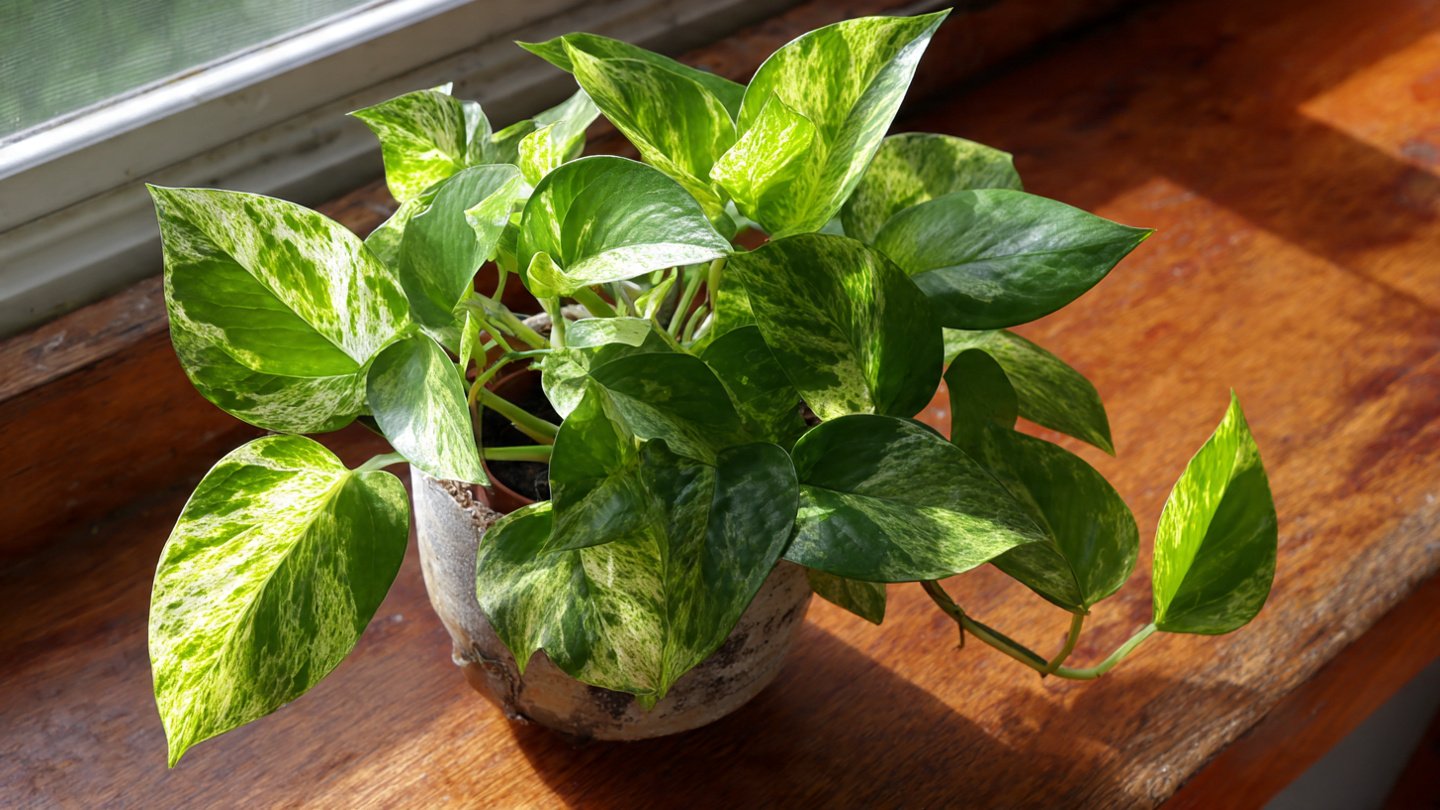
Understanding the Pothos Plant
The pothos plant, also known as Epipremnum aureum or devil’s ivy, is a popular houseplant admired for its vibrant green leaves and stunning variegation. The variegated types, such as golden pothos and marble queen pothos, are particularly sought after for their aesthetic appeal. However, many plant enthusiasts encounter a common issue: their pothos plants are turning back to solid green and losing their variegation. Let’s delve into the reasons behind this alarming change and what you can do about it.
The Importance of Variegation
Variegation in plants refers to the occurrence of two or more colors in the leaves, typically due to a genetic mutation. In pothos, this means that certain areas of the leaves do not contain chlorophyll, which gives them their green color. Instead, these areas take on a yellow, white, or cream hue. Variegation not only enhances the visual appeal of the plant but also plays a significant role in the plant’s health and growth.
Reasons Your Pothos is Turning Green
1. Insufficient Light
Pothos plants thrive in bright, indirect light. When they receive insufficient light, they may revert to solid green as a survival mechanism. In low-light conditions, the plant will prioritize energy production through chlorophyll and eliminate the variegated areas. Try moving your pothos to a brighter location, ensuring it still avoids direct sunlight to prevent leaf burn.
2. Genetics
Variegation can be unstable, especially in genetically predisposed plants. Even among variegated pothos, some branches or leaves may revert, becoming green over time. This is normal and can depend on the lineage of the plant. If you’re dealing with a plant that has a genetic tendency to revert, you might want to propagate healthy, variegated cuttings to ensure vibrant growth.
3. Nutrient Imbalance
Pothos plants require a balanced diet of nutrients to maintain their variegated appearance. A deficiency in certain nutrients, particularly nitrogen, or an excess of others can contribute to the loss of variegation. Make sure to fertilize your pothos with a balanced houseplant fertilizer during the growing season to encourage vibrant growth.
4. Overwatering or Underwatering
Watering plays a crucial role in plant health. Overwatering can lead to rot and poor nutrient uptake, while underwatering can stress the plant and cause it to revert to green. Ensure that the soil is well-draining, and only water the plant when the top inch of soil feels dry. Adjust your watering routine based on the season and humidity levels in your home.
5. Environmental Stress
Pothos plants are sensitive to sudden changes in their environment. If you’ve recently moved the plant to a different location or if it’s exposed to drafts, rapid temperature changes, or low humidity, it can stress the plant. This stress may affect its variegation. Try to maintain a consistent environment, ideally between 60°F to 85°F (15°C to 29°C) with humidity levels around 40-50%.
6. Aging Leaves
As pothos plants grow, older leaves may naturally lose their variegation and turn green before dying off. This is part of the plant’s life cycle. Regular pruning can promote new growth and encourage a bushier plant with healthy, variegated leaves. If you notice this happening, assess your plant’s overall health rather than reacting to a few aging leaves.
How to Encourage Variegation Restoration
1. Improve Light Conditions
To encourage more variegation, position your pothos where it can receive adequate bright, indirect light. A spot near a window with filtered sunlight is ideal. If natural light is limited, consider using grow lights to supplement the light needs of your plant.
2. Monitor Fertilization
Use a balanced, water-soluble fertilizer during the growing season to ensure your pothos receives the necessary nutrients. Follow package instructions for frequency and dilution, keeping an eye on the plant’s response.
3. Ensure Proper Watering Practices
Adopt a watering regimen that suits the plant’s needs. Ensure the potting mix is well-draining, sacrificing faster drying times for healthier roots. Always check the soil moisture before watering to avoid over- or under-watering.
4. Prune Regularly
By pruning back non-variegated stems or leaves, you can encourage the growth of healthy, new shoots. Make clean cuts to avoid stressing the plant further, and use sterilized tools to prevent diseases.
5. Provide Consistent Environmental Conditions
Maintain stable environmental conditions by avoiding drafts, temperature fluctuations, and ensuring adequate humidity. Regularly check the plant’s surroundings and adjust their care accordingly.
Conclusion
It’s common for pothos plants to experience a loss of variegation and turn back to green for various reasons. By understanding the causes—ranging from light levels and nutritional imbalances to genetic factors—you can take effective steps to restore your plant’s vibrant variegation. Keeping a close eye on environmental conditions will not only enhance your pothos’s beauty but also ensure its long-term health and vitality. Regular care and attention will allow you to enjoy a lush and variegated pothos for years to come.
FAQs
A: While it’s challenging to restore lost variegation in existing leaves, new growth may exhibit variegation if you improve light conditions and overall care.
A: During the growing season (spring and summer), it’s recommended to fertilize every 4-6 weeks with a balanced fertilizer diluted to half-strength.
A: Pothos prefer bright, indirect light but can tolerate low light conditions. However, too little light may cause it to lose its variegation over time.
A: Yes, older leaves may lose their variegation and turn green as they age. Regular pruning can help promote new, healthy growth.