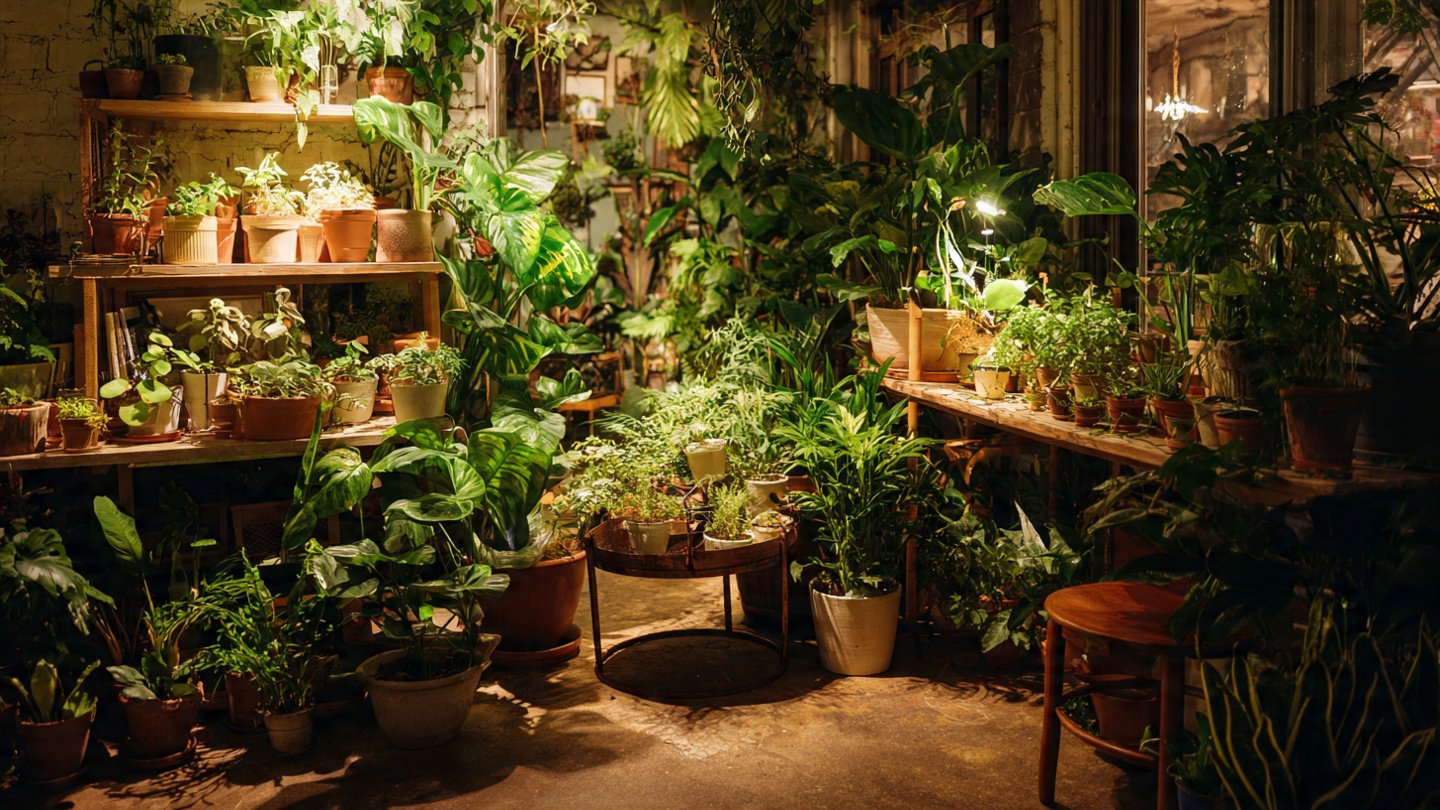
Living in a dark basement apartment can sometimes feel dreary, but adding plants to your space can significantly enhance its ambiance. If you think that the lack of sunlight is a major setback for you as a plant enthusiast, think again! Low light plants have adapted to thrive in lower light conditions, making them perfect companions for basement dwellers. In this article, we will explore why you should consider these amazing low light plants, their benefits, and tips on how to care for them.
The Importance of Indoor Plants
Indoor plants do more than just beautify a space. They have numerous benefits, particularly in a low-light environment such as a basement:
- Air Quality Improvement: Plants can help purify the air by absorbing pollutants and releasing oxygen, contributing to a healthier living environment.
- Boost of Mood: Interacting with plants has been shown to decrease stress levels and elevate mood, making your home a more pleasant place to live.
- Enhanced Aesthetics: Greenery can soften the look of any room, bringing a touch of nature indoors and making the space feel more inviting.
Choosing the Right Low Light Plants
There is an array of low light plants available that can adapt well to a basement’s dimmer conditions. Here are some fantastic options:
1. Snake Plant (Sansevieria)
The snake plant is incredibly resilient and known for its upright, sword-like leaves. It almost thrives on neglect and can tolerate low light for extended periods. Plus, it’s an excellent air purifier, filtering out toxins from the air.
2. Pothos (Epipremnum aureum)
Pothos is a trailing vine that thrives in low light conditions, making it perfect for hanging baskets or shelves. Its heart-shaped leaves can be variegated or solid green, adding visual interest to your space.
3. ZZ Plant (Zamioculcas zamiifolia)
The ZZ plant is another incredibly low-maintenance option. It features glossy leaves and can tolerate neglect in terms of both water and light. This makes it a great choice for busy individuals.
4. Spider Plant (Chlorophytum comosum)
Spider plants are known for their arching leaves and their ability to produce “pups.” They adapt well to various lighting conditions, especially lower light settings, and are also famous for their air-purifying capabilities.
5. Peace Lily (Spathiphyllum)
Peace lilies display striking white flowers against deep green leaves. They are relatively easy to care for and can thrive in low light. However, they need to be watered regularly to keep the soil slightly moist.
6. Cast Iron Plant (Aspidistra elatior)
As its name suggests, the cast iron plant is incredibly tough and can endure low light, neglect, and varying temperatures. It boasts long, broad leaves, making it an excellent filler plant for dark spaces.
Caring for Low Light Plants
Though these plants are generally easy to care for, some basic guidelines can help them flourish:
- Watering: Overwatering is one of the biggest mistakes plant owners make. Allow the soil to dry out slightly between waterings.
- Humidity: Most low light plants appreciate humidity. If your basement is dry, consider misting the leaves or placing a small humidifier nearby.
- Fertilizing: Use a diluted liquid fertilizer during the growing season (spring and summer) to provide nutrients. However, avoid over-fertilizing.
- Dusting: Regularly dust the leaves of your plants to ensure they can photosynthesize efficiently.
Benefits of Adding Low Light Plants to Your Basement Apartment
Decorating your basement apartment with low light plants offers several specific benefits:
- Enhanced Creativity: Numerous studies show that having plants around can boost creativity and cognitive function.
- Noise Reduction: Plants can absorb sound, making your environment quieter, which is particularly useful in a basement setting where noises can echo.
- The Beauty of Nature: Even in the darkest corners, plants add life and vibrancy, counteracting the often cold feeling of underground spaces.
Creating a Plant-Friendly Environment
To ensure that your low light plants thrive, consider the following tips for creating a plant-friendly environment:
- Placement: Group plants together to create specific ‘plant corners’ to maximize the aesthetic appeal and help maintain humidity.
- Lighting Solutions: If possible, supplement with artificial lighting (like LED grow lights) that mimic sunlight and promote growth.
- Decorative Containers: Invest in decorative pots that complement your décor while providing proper drainage for your plants.
- Personal Touch: Use plants to accentuate your personal style. Choose varieties and placements that resonate with your taste.
Final Thoughts
Low light plants are not only adept at thriving in dark environments, but they also provide numerous benefits to your basement apartment. From improving air quality to enhancing your mood, these plants can transform your living space into an oasis of greenery. With minimal maintenance and a variety of options to choose from, it’s easy to incorporate them into your home. Don’t let your basement’s lack of sunlight deter you from enjoying the beauty and health benefits that plants offer. Choose some low light plants today and bring a slice of nature into your life!
FAQs
1. Can low light plants survive in complete darkness?
No, while low light plants are adaptable, they still need some light to photosynthesize. They can thrive in low-light conditions but not in complete darkness.
2. How often should I water my low light plants?
Watering frequency depends on the plant type, but as a general rule, allow the soil to dry out between waterings. Always check the soil moisture first.
3. Do low light plants need fertilizer?
While low light plants don’t require much fertilization, using a diluted fertilizer during the growing season can benefit their growth.
4. Are low light plants pet-friendly?
Many low light plants are safe for pets, but it’s essential to research specific plants to ensure they are non-toxic to your furry friends.
5. Can I place my low light plants near a window?
Yes, placing them near a window with filtered light can be beneficial. Just avoid direct sunlight that can scorch their leaves.