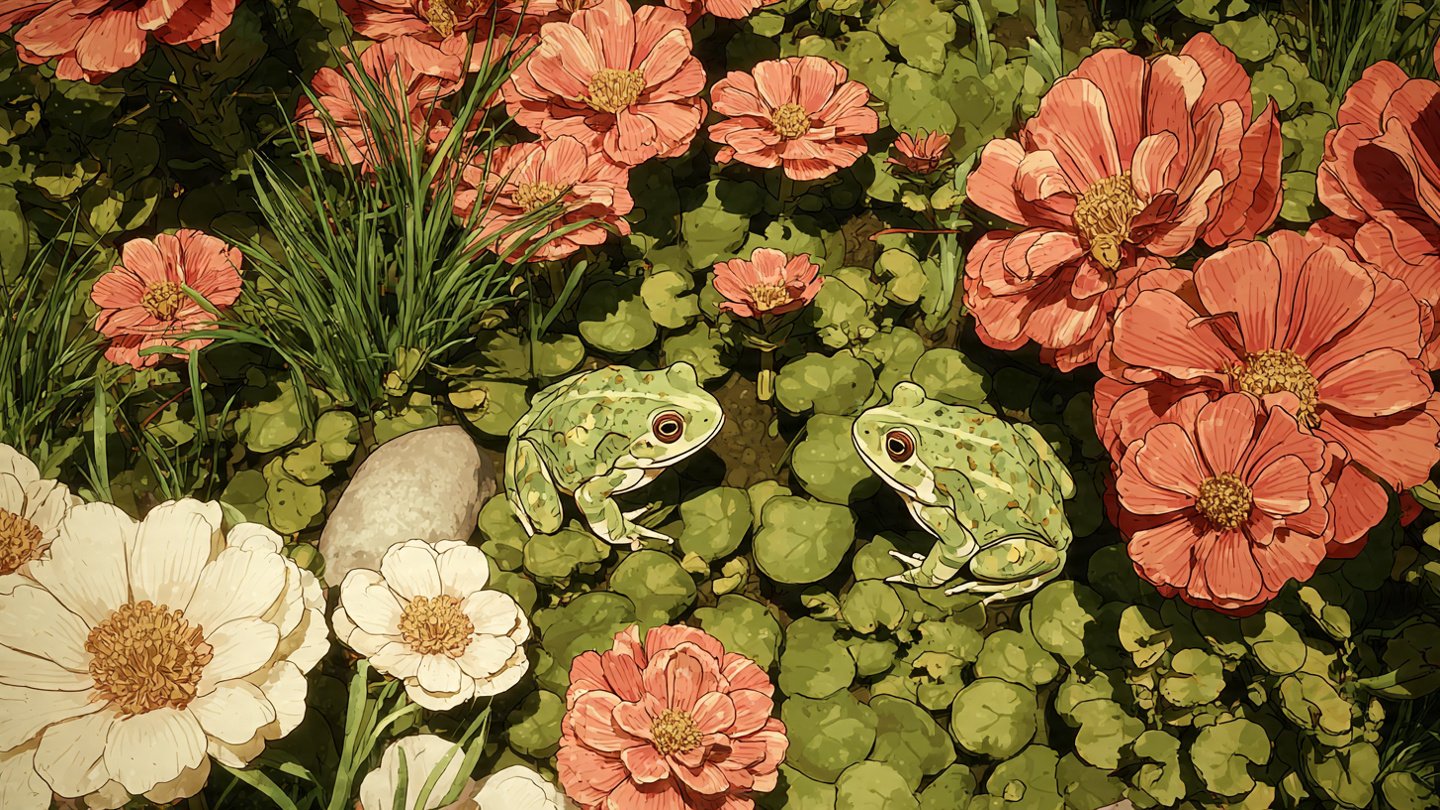
When envisioning a picturesque garden filled with vibrant flowers, the idea of toads hopping among them may not immediately come to mind. However, these often-overlooked amphibians are crucial allies in maintaining the health and vitality of your garden. In this article, we will explore why incorporating more toads into your garden ecosystem can yield a plethora of benefits for your flowers and plants.
The Role of Toads in the Ecosystem
Toads are integral components of their ecosystems, acting as both predators and prey. They play a vital role in maintaining ecological balance by:
- Controlling Pest Populations: Toads feed on a variety of insects, including aphids, beetles, and caterpillars, all of which can harm your precious plants. By keeping their populations in check, toads contribute to healthier flowers.
- Providing Nutrient Recycling: As toads digest their food, they contribute to nutrient cycling in the soil. Their waste is rich in nitrogen and other nutrients, benefiting the plants around them.
- Supporting Biodiversity: Toads are part of a complex food web. By encouraging their presence, you support a wider range of species, fostering a richer and more resilient garden ecosystem.
Pest Control: A Natural Solution
One of the most significant benefits of having toads in your garden is their natural pest control abilities. Each toad can consume a significant number of insects daily. For example, a single toad can eat anywhere between 100 to 200 insects in a night. This level of predation helps keep harmful pests at bay without the need for chemical pesticides, which can be detrimental to the environment.
By allowing toads to thrive, you reduce reliance on synthetic chemicals, promoting a more organic approach to gardening. This not only benefits your plants but also creates a safer environment for beneficial insects (like pollinators) and other wildlife.
Improving Soil Health
Healthy soil is the foundation of a thriving garden. Toads contribute to soil health in several ways:
- Natural Fertilizers: Toads produce waste that enriches the soil with nutrients. This helps maintain soil fertility and encourages growth, leading to more vibrant flowers.
- Soil Aeration: The burrowing behavior of toads allows for aeration of the soil, promoting better water infiltration and root development. This ultimately leads to stronger, healthier plants.
Creating a Toad-Friendly Habitat
To attract toads to your garden, you’ll need to create an inviting habitat. Here are some tips to encourage their presence:
- Provide Shelter: Toads need places to hide from predators and harsh weather. Consider creating shelters using rocks, logs, or dense foliage.
- Maintain Moisture: Toads appreciate a moist environment. Adding a small pond or arranging to have a water source can help keep them comfortable.
- Avoid Pesticides: As previously mentioned, toads are sensitive to chemicals. Reducing or eliminating pesticide use will make your garden a more attractive place for them.
- Plant Native Vegetation: Native plants provide food and shelter for toads and their prey. These plants are typically more resilient and better suited to your local environment.
The Benefits of Toads Beyond Pest Control
While pest control and soil health are primary benefits, toads offer additional advantages:
- Educational Opportunities: Observing toads and their behaviors can be a fascinating educational experience for children and adults alike. It promotes a greater understanding of biodiversity and the importance of conservation.
- Promoting Eco-Friendly Gardening: Incorporating toads into your garden aligns with sustainable gardening practices. It encourages a natural balance and creates a more self-sufficient ecosystem.
- Connecting with Nature: Creating a habitat for toads enhances your connection to nature, fostering a sense of stewardship and responsibility toward your local environment.
The Importance of Conserving Toad Populations
Unfortunately, many toad species are facing declines due to habitat loss, pollution, and disease. By creating a welcoming environment in your garden, you play a small but vital role in their conservation. Supporting toads and other amphibians helps maintain biodiversity and ecological health.
Conclusion
Incorporating toads into your garden may seem like a small change, but it can lead to significant benefits for your flowers, plants, and the overall ecosystem. From natural pest control to soil enhancement and biodiversity support, toads are invaluable assets to any garden. By creating a toad-friendly environment, you not only promote the well-being of these charming amphibians but also cultivate a thriving, flourishing garden. Next time you see a toad, remember the natural benefits they provide and consider ways to make your garden a more hospitable place for them.
Frequently Asked Questions (FAQs)
- Are toads harmful to my garden?
No, toads are beneficial creatures that help control pests, promote soil health, and enhance biodiversity in your garden. - How can I differentiate between toads and frogs?
Toads generally have dry, bumpy skin, and stocky bodies, while frogs have smooth, moist skin and long legs. Toads also tend to be more terrestrial than frogs. - What should I feed toads if I want to keep them in my garden?
Toads will feed on insects naturally found in your garden, such as beetles, slugs, and crickets. Avoid feeding them processed foods or anything other than live insects. - How can I create a water source for toads?
A simple small pond or even a shallow dish of water can serve as a water source. Make sure it’s accessible and safe from predators. - Can I have too many toads in my garden?
Generally, a healthy number of toads will help maintain ecological balance. However, if you notice an overwhelming increase, it might indicate an underlying pest issue that needs addressing.