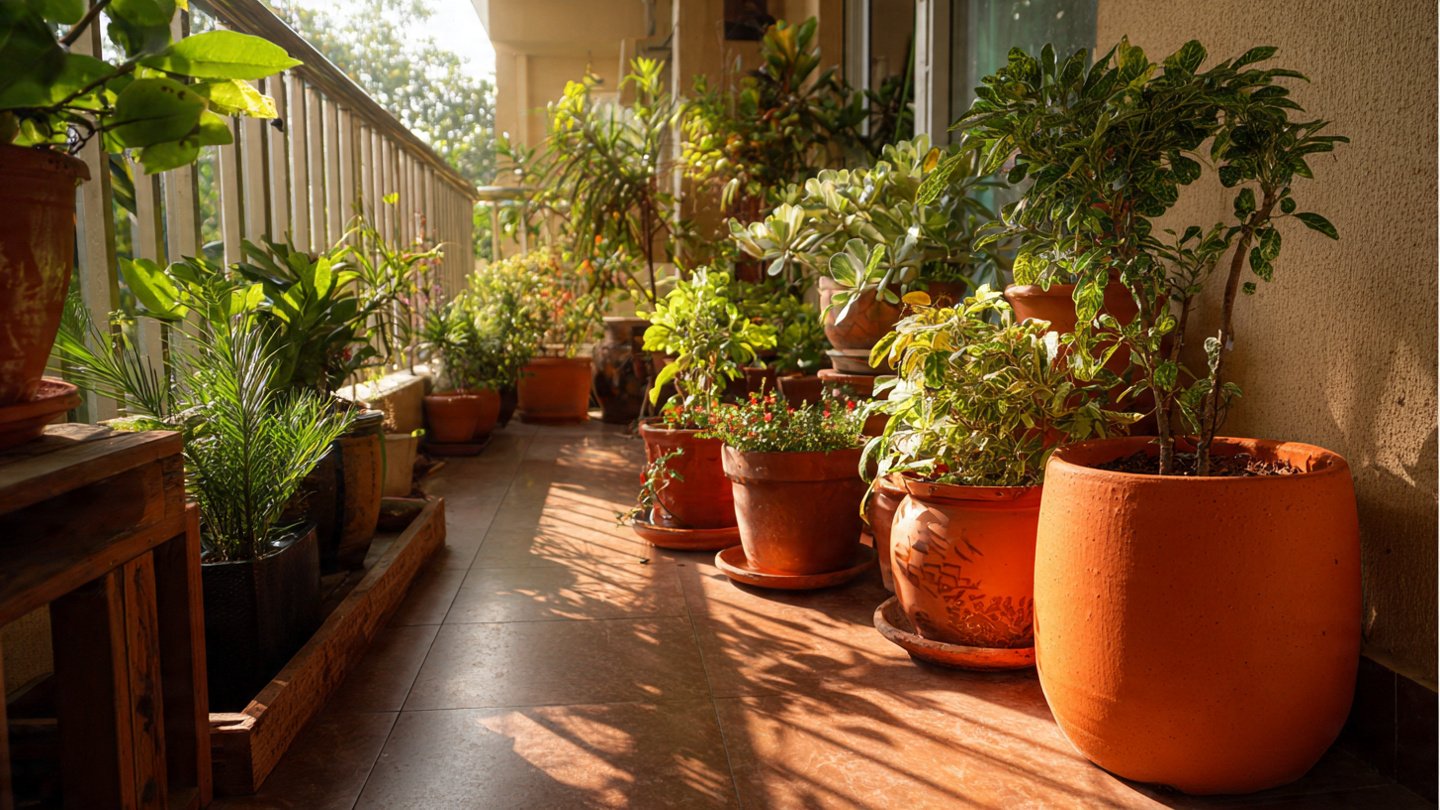
Balconies can be a delightful extension of our living spaces, serving as a perfect refuge to enjoy the outdoors, cultivate plants, and add beauty to our homes. However, the choice of containers for your plants plays a crucial role in maintaining a healthy environment—not just for the plants, but for the balcony and the surrounding ecosystem as well. Among the various options available for plant containers, plastic pots are a popular choice due to their lightweight nature and affordability. However, placing them directly on your balcony floor can lead to several issues that merit serious consideration.
1. Water Drainage Problems
One of the primary reasons to avoid placing plastic pots directly on your balcony floor is related to water drainage. Many potted plants require drainage holes at the bottom of pots to ensure that excess water can escape. When these pots are placed directly on a solid surface, such as a balcony floor, there is often no space for the excess water to escape or evaporate. Instead, this water can accumulate at the bottom of the pot, leading to:
- Root Rot: When roots sit in stagnant water, they can begin to decay, leading to root rot. This can severely damage or kill your plants.
- Fungal Growth: Constant moisture on the floor can encourage fungal growth, affecting not only the plants but also potentially creating an unhealthy environment in your living space.
- Pest Attraction: Standing water can attract pests like mosquitoes, which can breed quickly in stagnant water.
To prevent these issues, consider elevating your pots using pot feet, trays, or plant stands. This allows for proper drainage while still retaining a visually appealing garden aesthetic.
2. Balcony Damage
Plastic pots can deform or crack over time, especially when subject to extreme weather conditions like direct sunlight or frost. However, the concern isn’t just about the pots themselves; it’s also about the potential damage they can inflict on your balcony.
- Surface Wear: Constant contact with the floor can lead to scratches, discoloration, and wear-and-tear on the flooring material, whether it be wood, tiling, or concrete.
- Discoloration: Plastic can sometimes leach chemicals as it deteriorates, which might stain your balcony surface.
- Moisture Damage: If water accumulates under the pot, it can lead to mold growth on the floor. Over time, this moisture can cause structural issues, especially if your balcony is made of wood.
To keep your balcony in good condition, placing pots on a mat or using pot feet can help mitigate these potential issues.
3. Temperature Fluctuations
Placing plastic pots directly on the balcony floor can expose the plants to extreme temperature fluctuations. The floor material can become very hot during sunny days or very cold during chilly nights. These fluctuations can adversely affect the root systems:
- Heat Stress: On particularly hot days, the floor can radiate heat, which can lead to overheating of the soil. Roots may become stressed, hampering their ability to absorb nutrients and water.
- Frost Damage: Conversely, during colder months, the plastic pot can absorb cold from the balcony floor, leading to frost damage. This can have serious implications, particularly for delicate plants.
By elevating your pots, you provide an additional barrier against extreme temperatures, helping to create a more stable environment for your plants.
4. Aesthetic Considerations
A balcony filled with potted plants can significantly enhance the visual appeal of your outdoor space. Placing plastic pots directly on the floor can lead to a cluttered and unkempt look. Elevated planters or decorative stands can improve the overall aesthetic, allowing plants to be arranged in a more visually pleasing manner.
- Layering Heights: By using different heights, you can create a more dynamic garden space that showcases the beauty of your plants.
- Personal Style: Decorative plant standards or vibrant plant trays can reflect your personal style, contributing to a welcoming ambiance.
Creating a thoughtfully designed space can transform your balcony into an oasis, making it a comforting place to unwind.
5. Plant Health and Growth
For many gardening enthusiasts, the ultimate goal is to foster healthy, thriving plants. The environment and conditions provided play a significant role in their development. When you place plastic pots directly on a solid surface, several factors can hinder plant growth:
- Limited Airflow: Without any elevation, pots can suffer from poor airflow. Proper airflow is essential for healthy root growth and plant function. Stagnant or humid air can promote disease.
- Nutrient Issues: If water accumulates and leaches from the pot, it can wash away essential nutrients from the soil. This can lead to nutrient deficiencies, causing poor plant health and affecting their growth.
Raising your pots can help improve overall plant health and ensure they can thrive in a well-ventilated environment.
6. The Environmental Impact
As much as we may enjoy gardening, it is also essential to consider the environmental implications of our choices. Plastic pots are made from petroleum-based materials, which contribute to environmental pollution.
- Plastic Waste: Placing plastic pots on your balcony floor increases the likelihood of cracks and breaks, leading to plastic waste. Many plastics are not biodegradable and can stay in the environment for centuries.
- Chemical Leaching: As plastic degrades, it can leach harmful chemicals into the soil, possibly affecting both plant health and the surrounding ecosystem.
By investing in eco-friendly alternatives, such as biodegradable pots or using materials like wood or recycled shopping bags, you can reduce your environmental footprint and create a more sustainable garden space.
7. Seasonal Adjustments
The changing seasons bring different challenges for balcony gardening. From winter frosts to summer heatwaves, it’s essential to adapt your gardening practices accordingly.
- Winter Protection: In winter, placing plastic pots directly on the cold balcony floor makes them more susceptible to frost damage. Elevating pots can help protect roots from extremely cold temperatures.
- Summer Sun: In the summer, pots sitting on the floor may overheat, as discussed before. Finding a way to create some space also allows you to monitor and adjust according to weather patterns.
By ensuring that your pots are elevated, you can more easily maneuver them inside or provide cover when necessary.
8. Improved Maintenance
A well-maintained balcony not only looks good but also enhances the overall gardening experience. When you elevate your pots, maintenance becomes much easier.
- Easier Watering: Elevated pots are easier to water, particularly in terms of seeing how much water is being distributed. It can reduce spills and accidental overwatering, making the process smoother and less messy.
- Enhanced Cleanup: With pots elevated, it’s easier to clean around them and maintain the hygiene of your balcony space. This can prevent the buildup of pests and unhealthy conditions.
Conclusion
Placing plastic pots directly on your balcony floor may seem convenient and cost-effective, but the long-term implications can be detrimental. From impacting drainage and plant health to compromising the aesthetics and durability of your balcony, the downsides often outweigh the benefits. By elevating your pots, you not only safeguard your plants but also create a more inviting and visually appealing outdoor space.
As you take the next steps in your gardening journey, consider your environment and the health of your plants. Opting for elevated positioning not only enhances the beauty of your balcony but also nurtures a thriving garden that can be enjoyed for years to come. Embrace the opportunity to create a serene outdoor oasis—your plants, balcony, and the environment will thank you!