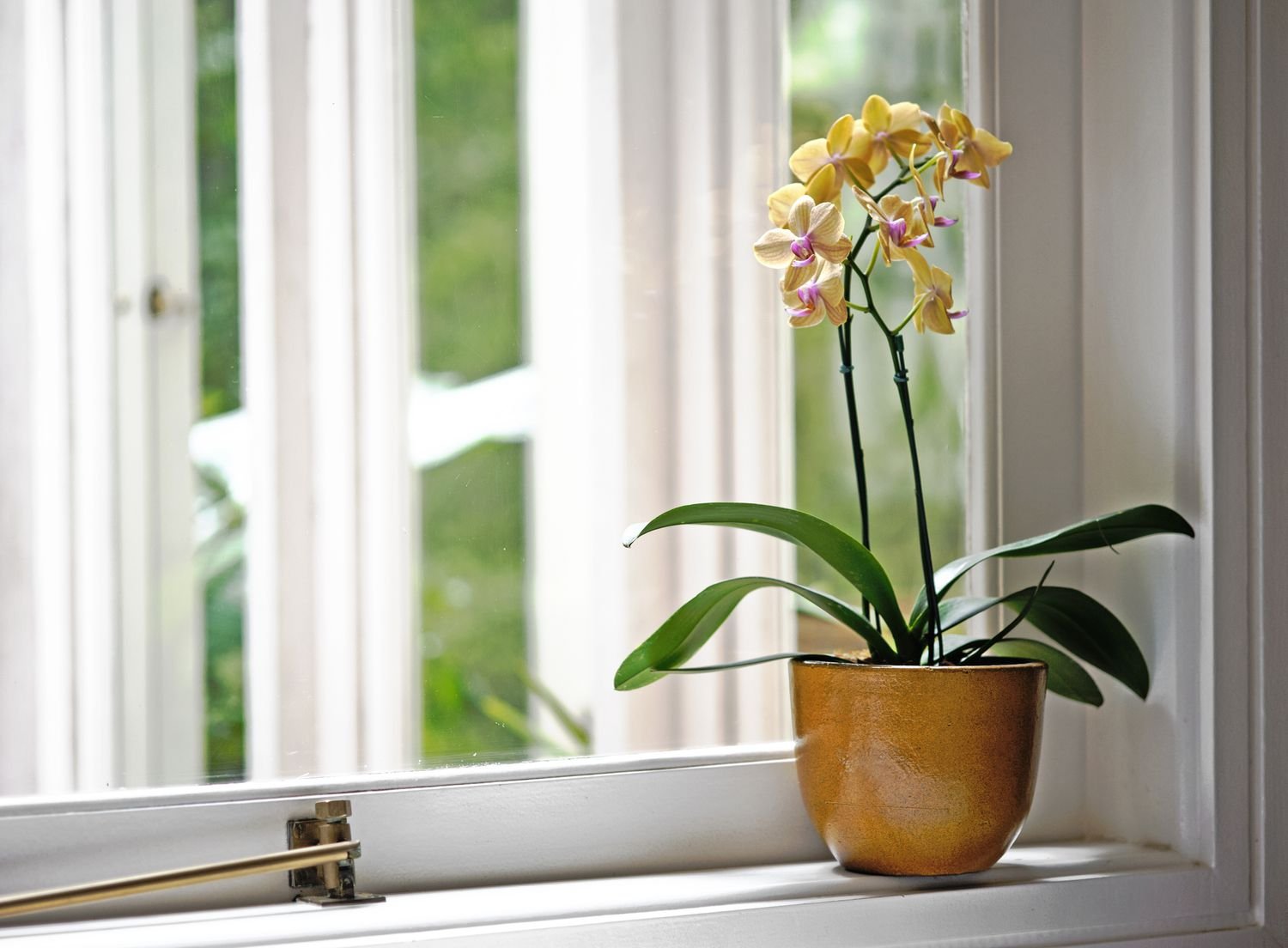
Orchids are often seen as delicate, high-maintenance plants, but in reality, they’re surprisingly resilient when given the right conditions. That’s why wilting orchid leaves can be so frustrating. One day your plant looks firm and glossy, and the next, its leaves are limp, wrinkled, or drooping.
Wilting leaves are your orchid’s way of signaling stress. While the cause may not always be obvious, the good news is that most issues are fixable once you understand what’s going wrong. According to orchid care experts, leaf wilting is almost always related to water, roots, light, or environmental conditions—not an irreversible decline.
Below, we’ll explore the most common reasons orchid leaves wilt and share five expert-approved fixes to help your plant recover and thrive.
Why Orchid Leaves Wilt in the First Place
Healthy orchid leaves should be firm, smooth, and slightly glossy. When they begin to wilt, wrinkle, or droop, it means the plant is struggling to maintain proper hydration or nutrient flow. This problem often originates below the surface—at the roots—long before the leaves show visible symptoms.
Understanding the root cause is key, because treating the wrong issue (for example, watering more when roots are already damaged) can make things worse.
Fix #1: Correct Watering Problems (Too Much or Too Little)
Watering issues are the most common reason orchid leaves wilt. Interestingly, both overwatering and underwatering can produce similar symptoms.
Overwatering
Orchids, especially popular varieties like Phalaenopsis, grow naturally on trees, not in soil. Their roots need air as much as moisture. When orchids sit in soggy media, roots suffocate and rot, preventing them from absorbing water—even though the pot is wet.
Signs of overwatering include:
- Wilting leaves despite wet potting mix
- Yellowing leaves
- Mushy, brown, or foul-smelling roots
Underwatering
On the flip side, if an orchid goes too long without water, its leaves lose internal moisture and begin to wrinkle and droop.
Signs of underwatering include:
- Dry, silvery roots
- Wrinkled or limp leaves
- Lightweight pot
The Fix
- Water only when the potting mix is nearly dry
- Use room-temperature water
- Water thoroughly, allowing excess to drain completely
- Never let orchids sit in standing water
Expert tip: Healthy orchid roots should be green when wet and silvery when dry.
Fix #2: Inspect and Restore Root Health
Because orchid leaves rely heavily on healthy roots, wilting leaves often point to root damage—even if watering seems correct.
Why Root Problems Cause Wilting
If roots are rotting, dried out, or damaged, they can’t transport water and nutrients to the leaves. The plant essentially becomes dehydrated, regardless of how often you water.
How to Check the Roots
Carefully remove the orchid from its pot and examine the roots:
- Healthy roots are firm and green or silvery
- Dead roots are brown, black, mushy, or hollow
The Fix
- Trim dead or rotting roots with sterilized scissors
- Repot in fresh, well-draining orchid bark or moss
- Choose a pot with good drainage and airflow
Expert tip: Repot orchids every 1–2 years to prevent compacted, decomposing media from suffocating roots.
Fix #3: Improve Light Conditions
Light plays a crucial role in orchid health. Too little or too much can weaken the plant, leading to wilting leaves over time.
Too Little Light
Without enough light, orchids can’t photosynthesize efficiently. This reduces energy production and slows water movement through the plant.
Signs include:
- Dark green leaves
- Weak growth
- Drooping or soft leaves
Too Much Light
Direct sunlight can cause heat stress, damaging leaf cells and increasing moisture loss.
Signs include:
- Yellowing or scorched leaves
- Dry patches
- Wilting during hot parts of the day
The Fix
- Place orchids in bright, indirect light
- East- or north-facing windows are ideal
- Use sheer curtains to diffuse strong sunlight
Expert tip: Healthy orchid leaves are typically medium green—not dark or yellow.
Fix #4: Address Humidity and Temperature Stress
Orchids are tropical plants and are sensitive to dry air and temperature extremes. Wilting can occur even if watering and lighting are correct.
Low Humidity
Dry indoor air pulls moisture from orchid leaves faster than roots can replace it.
Common signs:
- Wrinkled leaves
- Dry leaf tips
- Slow recovery after watering
Temperature Stress
Cold drafts, heat vents, or sudden temperature changes can shock orchids and disrupt water movement within the plant.
The Fix
- Maintain humidity levels between 40–70%
- Use a humidifier or pebble tray
- Keep orchids away from drafts and heating/cooling vents
- Maintain temperatures between 65–85°F (18–29°C)
Expert tip: Grouping plants together can naturally increase humidity.
Fix #5: Adjust Fertilizing and Potting Practices
Wilting leaves can also result from nutrient imbalances or poor potting conditions.
Overfertilization
Too much fertilizer causes salt buildup in the potting media, which damages roots and restricts water uptake.
Underfertilization
While orchids don’t need heavy feeding, a complete lack of nutrients can weaken leaves over time.
The Fix
- Use a balanced orchid fertilizer at ¼–½ strength
- Fertilize every 2–4 weeks during active growth
- Flush the pot with plain water monthly to remove salts
- Ensure the potting mix is fresh and appropriate for orchids
Expert tip: “Weakly, weekly” feeding is a popular orchid-care rule among professionals.
How Long Does It Take for Wilted Orchid Leaves to Recover?
Patience is essential when caring for orchids. Wilted leaves may not fully return to their original firmness, especially if damage was severe. However, improvement is often visible within a few weeks once the underlying issue is corrected.
Focus on:
- Root recovery
- New leaf growth
- Overall plant stability
Healthy new leaves are the best indicator that your orchid is back on track.
Preventing Wilting in the Future
To keep orchid leaves firm and healthy:
- Water based on root condition, not a schedule
- Ensure excellent drainage and airflow
- Provide bright, indirect light
- Maintain stable temperature and humidity
- Repot regularly
By observing your orchid closely and responding early to changes, you can prevent wilting before it becomes severe.
Final Thoughts
Wilting orchid leaves may look alarming, but they’re rarely a sign that your plant is beyond saving. In most cases, wilting is the result of environmental stress or root-related issues that can be corrected with thoughtful care.
Orchids reward patience and observation. Once their basic needs are met, they’re capable of producing lush foliage and stunning blooms year after year. With the right adjustments, your orchid can recover—and flourish—once again.